🎓Leaky Pipeline at German Universities: The Potential of (Fe)Male Allies and Vulnerability
Doctoral project at a glance
Departments and Instituts
Funding type
Period
29.08.2025 to 30.11.2029


Project Description
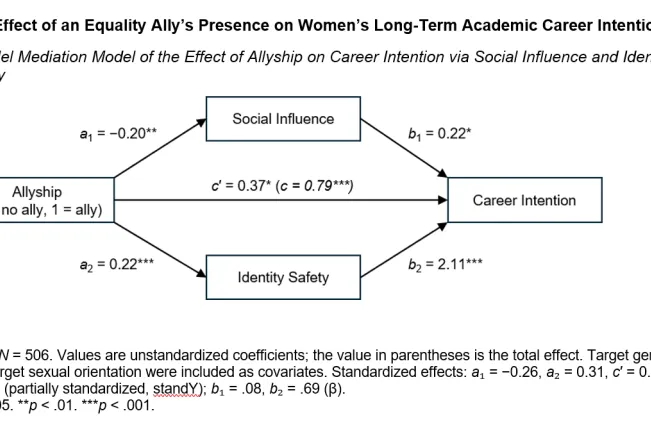
The higher the academic career level, the lower the proportion of women. Can allies for gender equality – so-called ‘Equality Allies’ – help to retain women within the academic system? This PhD project investigates how effective (female) allies are at German universities and what factors determine their influence. Their effectiveness is assessed, on the one hand, by their ability to instil a sense of identity security in women and thus positively influence their career intentions. Secondly, the study examines how allies describe their own effectiveness and whether they can convince other university members of the importance of gender equality. It also considers the role played by the allies’ gender and sexual orientation, and the communication strategies they use to convey messages of gender equality most persuasively – for example, through a personal account of their own experiences or a self-reflective admission of mistakes. This is being investigated through three experimental online studies and a qualitative interview study. The aim is to transform allyship from an individual commitment into a strategic resource for higher education development. This research is being conducted by Josephine Kullat.
Cooperation partners
Working Group on Industrial and Organisational Psychology at Philipps University of Marburg, Department of Psychology