Department of Computer Science
30 Years of the Department of Computer Science
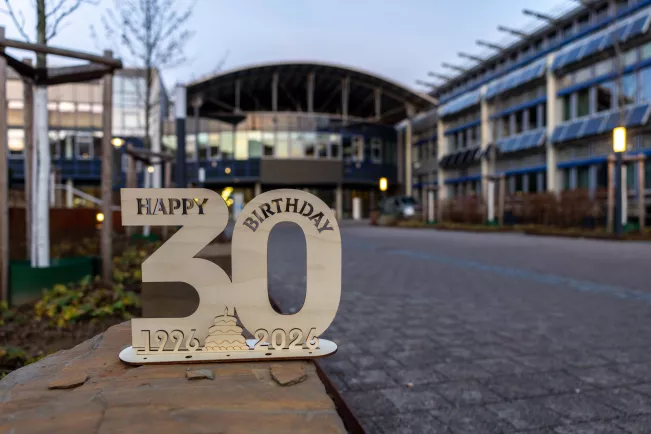
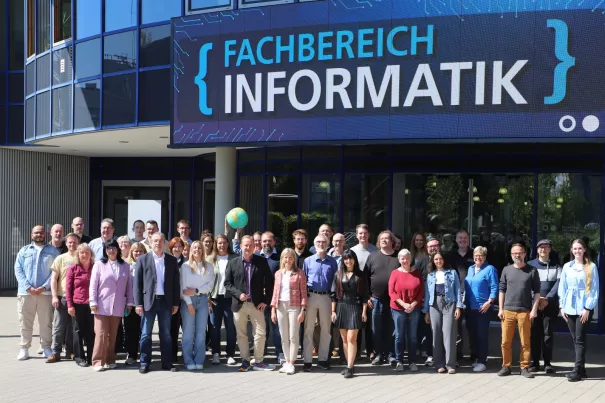
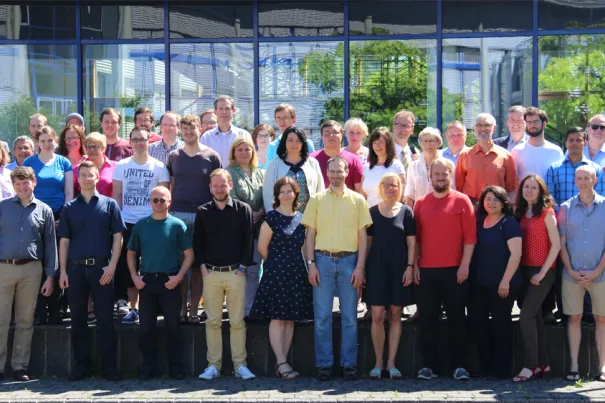
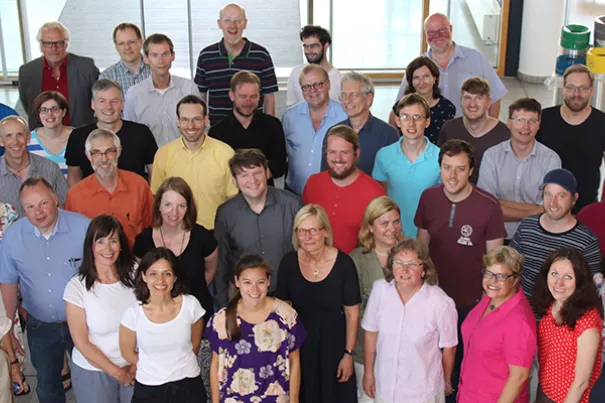
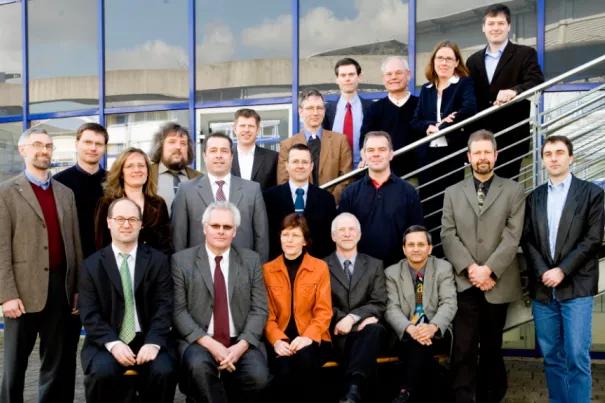
This year, the Department of Computer Science at Bonn-Rhein-Sieg University of Applied Sciences is celebrating its 30th anniversary. We intend to mark this occasion in style with a central ceremony on Friday, 12 June 2026.
Agenda
The times listed are provisional and are subject to change.
• 09:00–09:45
Student Workshop: Alumni breakfast with a welcome address to the alumni
• 10:00–10:15
Lecture Theatre 7: Welcome to all speakers & brief introduction
Prof. Dr Alexandra Kees and Dean Prof. Dr Sascha Alda; Topic of the day: “AI – quo vadis?”
• 10:15–11:00
Lecture Theatre 7: Lecture 1
Susanne Arnoldy, PwC: Beyond the Hype: Agent-based systems as the next stage in the hype cycle of new technologies
• 11:00–11:45
Lecture Theatre 7: Lecture 2
Prof. Dr Jörn Hees, H-BRS: Computer science in the AI hype: What was, is, will be and remains?
• 11:45 – 12:30
Lecture Theatre 7: Presentation 3
Patrick Schidler, Microsoft: The Accelerated Hype Cycle: Dual-Constraint Model and Metrics for GenAI Adoption in Software Companies
• 13:00 – 15:55
Lecture Theatres 1/2: Main event with panel discussion
• 3.45 pm – 5.00 pm,
in front of Lecture Theatre 1/2: Get-together and lab tour with guided tours
• 5.00 pm – 10.00 pm
Canteen: Summer party
Programme for schools
The times listed are provisional and subject to change.
• 08:30–09:00: Welcome in HS 8
• 09:00–09:45: Professor Marie Bergmann: ‘Sustainable Digitalisation’ (BWI)
• 09:45–09:50: Break
• 09:50–10:35: Professor Michael Rademacher: “From the big picture (Computer Science) to the small gap (SMS Blaster)” (BI)
• 10:35–10:40: Break
• 10:40–11:25: Professor Stefan Schiffner: “ELIZA and I – Privacy in AI” (BCSP)
• 11:25–11:30: Break
• 11:30–11:45: Wrap-up
Milestones in the Department of Computer Science
Students & Staff

From 1996, Prof. Dr Barbara Wiesner became the first Dean to lead the department. She was succeeded by Karl Neunast in 1998. In 1999, Kurt-Ulrich Witt was elected as his successor and re-elected to the post on several occasions. Sayeed-Klewitz-Hommelsen became the first Vice-Dean of the growing department. Wolfgang Heiden served as Dean from 2010 to 2022. He was supported by Alexander Asteroth as Vice-Dean, who was succeeded in later terms by Andreas Priesnitz, Paul Plöger and, most recently, Sascha Alda. Since 2022, Alda has led the Department of Information Science (FB INF) as Dean, together with Vice-Dean Matthias Bertram.
In 2026, the Department of Computer Science employs:
- 33 professors
• 10 lecturers with special responsibilities
• 46 research staff
• 8 technical and administrative staff
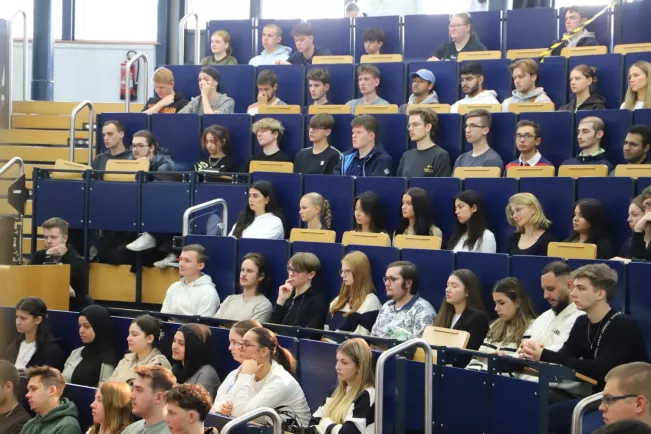
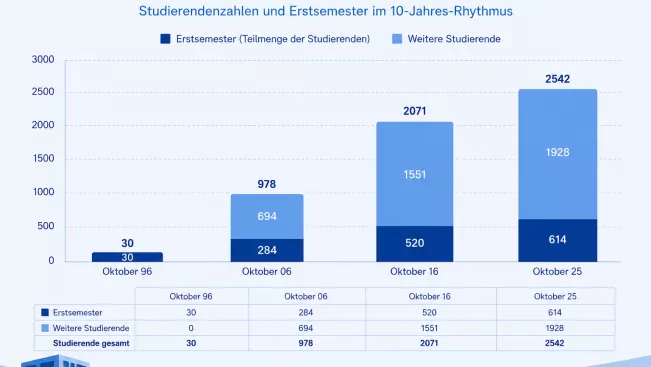
The number of students in the Department of Computer Science rose from an initial 30 to around 2,500 in the winter semester of 2025/26. But it is not just in terms of numbers that the department has thrived: Computer Science students have repeatedly given their alma mater Top marks in the CHE rankings.
Lehre
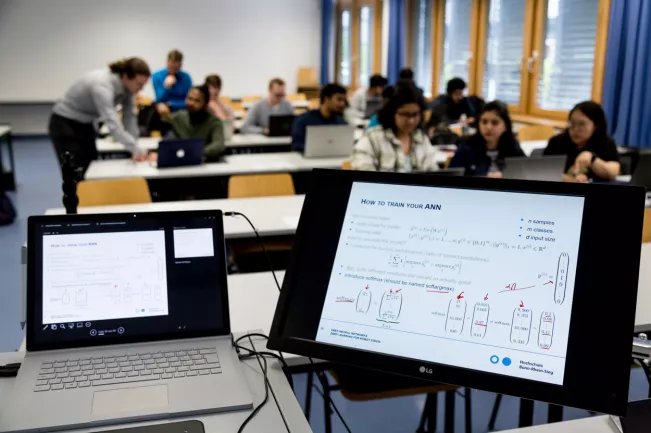
Winter Semester 1996/97: Introduction of the Diploma programme in Applied Computer Science
2001: Start of the transition from diploma to bachelor’s degree programmes; launch of the first bachelor’s degree programme in Computer Science, with 128 students, and the master’s degree programme in Computer Science, with 16 students
WS 03/04: Launch of the Bachelor’s degree programme in Business Information Systems (now known as the Bachelor’s in Business Informatics) with 62 students, and the entirely English-taught Master’s programme in Autonomous Systems with 11 students
WS 08/09: Launch of the dual degree programme in Computer Science with the University of New Brunswick in Fredericton, Canada
Summer 2011: The first three-year PhD scholarships are being awarded. Of the five early-career researchers receiving funding, four are PhD students from the Department of Computer Science.
WS 10/11: Launch of the dual degree programme in Computer Science with York University in Toronto, Canada
WS 17/18: Introduction to the Master’s programme in Visual Computing & Games Technology (renamed Game Technologies from the winter semester 2025/26)
WS 21/22: Launch of the Bachelor’s degree programme in Cyber Security & Privacy, with 180 students
WS 23/24: Launch of the Master’s degree programme in Cyber Security & Privacy with 7 students
Research
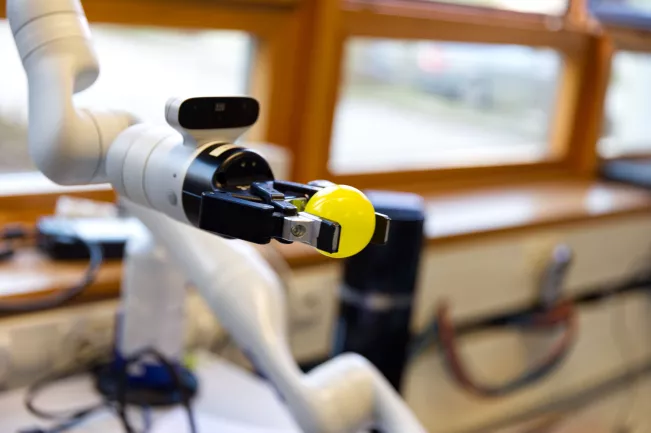
Projects
March 2024: Reforestation using drones: the Garrulus project enters its final phase
A research team is working on reforesting damaged forest areas with the help of drones. In the first phase of the project, the computer scientists were able to demonstrate that their concept works in practice. The prototype is now due to be completed by the end of 2026, with the aim of making reforestation more efficient and cost-effective – from surveying an area to sowing the trees.
2023: VR headsets under stress and in the dark: launch of the multisensory stimulus switching project
The research project is investigating how augmented reality applications can function reliably and user-friendly even under changing environmental conditions – such as varying light levels or high mental stress. The aim is to gain a better understanding of the interplay between digital overlays, the environment and human perception, thereby improving the everyday use of future AR glasses
January 2022: Research project aims to raise awareness of IT security among hospital staff
If computer systems fail in hospitals, the consequences can be dire. In the past, hospitals have repeatedly been targeted by hackers – sometimes with disastrous results. This is where the university’s new research project, MedISA (Medical Centre Employee-Centred Information Security Awareness), comes in.
November 2022: University researchers honoured for their work on improving internet security
The Stifterverband has awarded the 2022 Open Data Impact Award to Professor Luigi Lo Iacono and Stephan Wiefling. The two researchers have made a dataset freely available that can be used to improve the security of online accounts. This gives software developers access to data that, until now, has been held only by a handful of very large internet companies.
2021: Launch of the Big Bang to Big Data (B3D) project
an interdisciplinary research, technology and training network that combines radio astronomy with data science to analyse the vast amounts of data generated by modern radio telescopes using big data methods, artificial intelligence and machine learning.
The IVC contributes its expertise in the interactive and visual analysis of large datasets, visual computing, artificial reality and AI, and develops methods for visualising and analysing astronomical data.
March 2021: EU SESAME project: Research into multi-robot systems
SESAME (Safe and Secure Multi-Robot Systems) is the name of a new project at the Department of Computer Science, which covers five areas of application: healthcare, agile manufacturing, the agri-food industry, and inspection and maintenance. The focus is on multi-robot systems consisting of interconnected teams of robots that can perform tasks together.
July 2019: Parabolic flights as part of the SMUG project
Scientists at the Institute for Visual Computing (IVC) at Bonn-Rhein-Sieg University of Applied Sciences (H-BRS) are conducting a series of experiments on self-perception in weightlessness in collaboration with the German Aerospace Centre (DLR) and the European Space Agency (ESA).
June 2017: Land of Ideas: University named an “Excellent Site”
With the EPICSAFE project, the university is among this year’s winners of the Federal Ministry of Research’s innovation competition. EPICSAFE is a so-called ‘serious game’ that enables trainee paramedics to practise dealing with rare but life-threatening cases in a virtual reality environment.
March 2016: Robots and humans working hand in hand
The federal government and industry are jointly providing around half a million euros for “beyondSPAI”. Professor Norbert Jung is conducting research into safeguarding critical areas in human-robot interaction, focusing on the intelligent integration of different sensor technologies
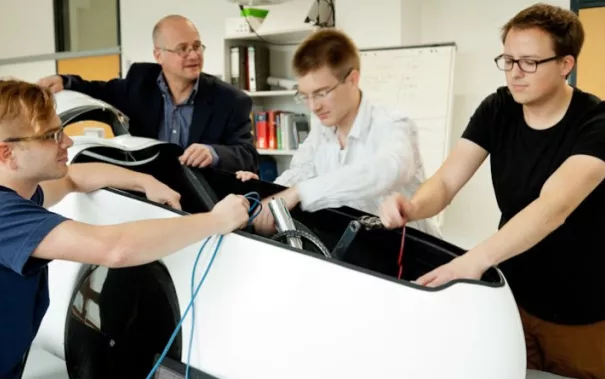
2013: Project STELLA: Efficient mobility with the velomobile
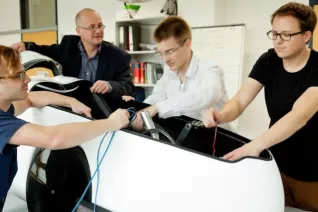
Using aerodynamic recumbent bicycles, Professor Alexander Asteroth and his team of scientists from various disciplines are collecting measurement data for the simulation of energy-efficient cars, lorries and buses.
2007–2013: FIVIS cycling simulator
Professor Rainer Herpers and his team are developing an immersive cycling simulator for road safety education and research. Their partners include the DGUV, the University of New Brunswick and industry partners.
2001: Der Immersion Square
A 16-square-metre projection screen featuring three-dimensional effects offers a wide range of applications and is a highlight at Infocom Europe in Cologne.
Institute, Labore, wissenschaftliche Einrichtungen
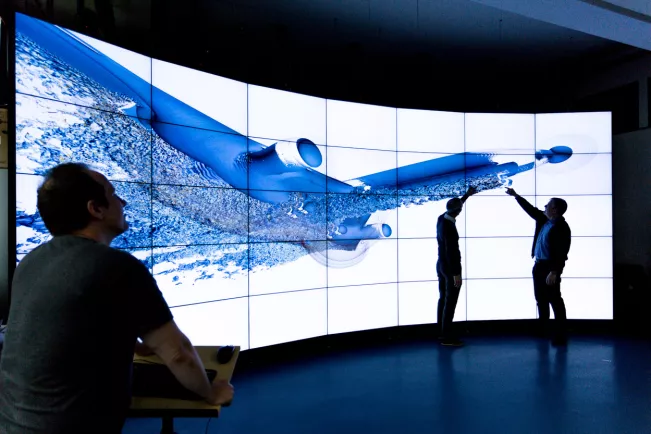
Labore und weitere wissenschaftliche Einrichtungen
Februar 2024: H-BRS setzt auf Digitale Zwillinge: Neues Labor gegründet
Mit Hilfe von Digitalen Zwillingen lässt sich das Design von Produkten und Prozessen optimieren, die Zahl der Anwendungen ist groß und wächst beständig weiter. Die Hochschule hat zusammen mit zwei Partnern ein Labor für Digitale Zwillinge gegründet. Die dort gewonnenen Erkenntnisse sollen vor allem kleinen und mittleren Unternehmen zugutekommen.
Februar 2022: FB INF eröffnet Studio für Computerspiele
Der Fachbereich eröffnet das „Game Studio“, ausgestattet mit modernster Technik, die begehrtesten aktuellen Spiele zum Testen inbegriffen. Studierenden können hier eigene Spiele entwickeln, mit eigenem Sound untermalen und testen.
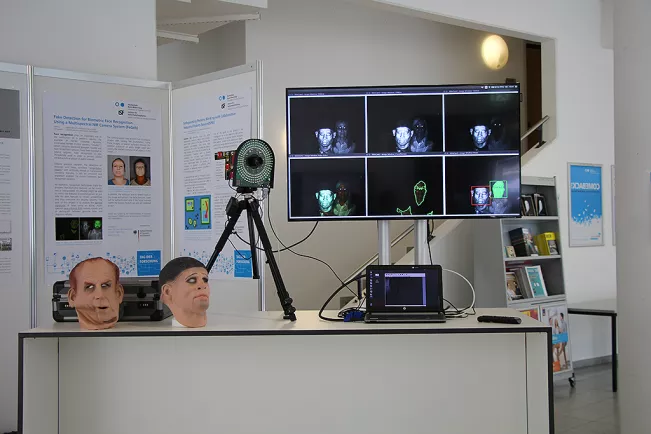
November 2021: H-BRS und BSI eröffnen Biometrie Evaluationszentrum
Um biometrische Systeme zu verbessern und sicherer zu machen, haben das Institut für Sicherheitsforschung (ISF) der Hochschule Bonn-Rhein-Sieg und das Bundesamt für Sicherheit in der Informationstechnik (BSI) in den vergangenen drei Jahren gemeinsam das Biometrie Evaluationszentrum (BEZ) aufgebaut.
Juni 2019: Showroom Visualisierung eröffnet
Mit Mitteln der Initiative Innovative Hochschule hat das Institut für Visual Computing einen Showroom Visualisierung aufgebaut. Er dient der Information und Beratung von Unternehmen sowie dem Austausch untereinander. Bei Workshops und anderen Mitmachformaten können sich auch interessierte Bürgerinnen und Bürger beteiligen.
Mai 2017: Lernlabor Cybersicherheit eröffnet
Unter dem Dach der Fraunhofer Academy eröffnen Hochschule und Fraunhofer Institut für Kommunikation, Informationsverarbeitung und Ergonomie (FKIE) das Lernlabor Cybersicherheit mit dem Fokus auf Hochsicherheit und Emergency Response. Angeboten wird Qualifizierung auf den Feldern Erkennung, Analyse und Reaktion auf Cyberangriffe.
Sommer 2004: Gründung Plattform für Wissenschaftliches Rechnen
Getragen von Professorinnen und Professoren aus mehreren Fachbereichen beschafft und betreibt die Plattform für Wissenschaftliches Rechnen leistungsfähige Rechner mit dem Ziel, diese für ressourcenintensive Anwendungen aus dem Bereich des High Performance Computing (HPC) und der Künstlichen Intelligenz hochschulweit bereitzustellen.
Institutes
April 2024: H-BRS joins forces with other universities to establish the ‘Rhine-Ruhr Centre for Assistive Technologies’
In order to tailor digital cognitive assistance systems to people’s needs in a personalised and proactive manner, the ‘Rhein-Ruhr Centre for Assistive Technologies (ZAT)’ is being established, bringing together Bonn-Rhein-Sieg University of Applied Sciences, Rhine-Waal University of Applied Sciences, Niederrhein University of Applied Sciences and the University of Duisburg-Essen. The North Rhine-Westphalian Ministry of Culture and Science is funding the project with €2.7 million over the next three years.
March 2023: University establishes Institute for Artificial Intelligence and Autonomous Systems
The A2S Institute is based within the Department of Computer Science and brings together the university’s expertise in the fields of artificial intelligence and autonomous systems. The institute focuses on areas of application such as logistics, healthcare and agile manufacturing.
June 2021: Institute for Cyber Security & Privacy begins operations
The institute brings together research, teaching and knowledge transfer within the School of Computer Science at the university, focusing on issues of security and privacy in the digital world, and has an ambitious programme: it aims to do nothing less than play a lasting role in shaping national and international research into IT security and digital privacy, whilst providing undergraduate and postgraduate students with an outstanding specialist education
February 2016: The TREE Institute is founded
Through its new Institute for Technology, Resource Conservation and Energy Efficiency (TREE), the university brings together issues relating to technical sustainability. As a central research body, TREE operates on a cross-departmental and interdisciplinary basis.
September 2012: Opening of the Institute for Visual Computing
The Institute for Visual Computing (IVC) has its roots in the university research cluster of the same name. The institute focuses on the interactive visual processing of information for a wide range of applications, such as interactive (learning) environments, image synthesis and augmented reality.
January 2012: Opening of the Institute for Security Research (ISF)
The ISF also grew out of a former research focus cluster. Its aim is to carry out interdisciplinary research projects on the topic of safety and security.
October 2010: Key research areas
At a special meeting, the Executive Board has identified security research and visual computing as key areas of focus for the university’s research. The university aims to strengthen its research profile through this initiative and will be allocating just under four million euros over the next five years to this end.
Autumn 2002: Founding of B-IT
Establishment of the "Bonn-Aachen International Centre for Information Technology" (B-IT) in partnership with the Bonn-Rhein-Sieg University of Applied Sciences.
Events, competitions and awards
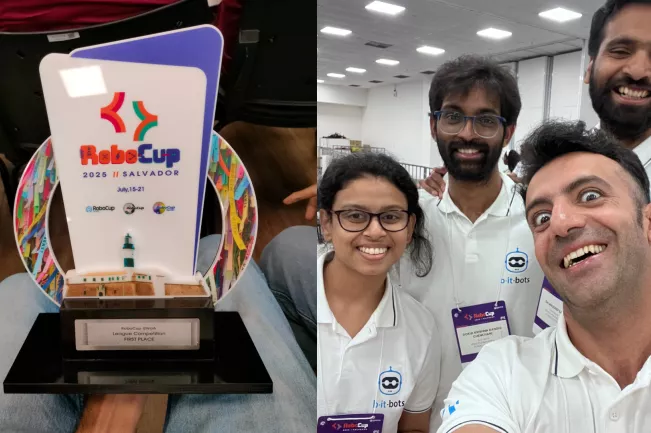
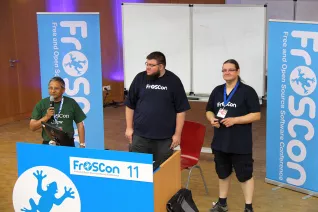
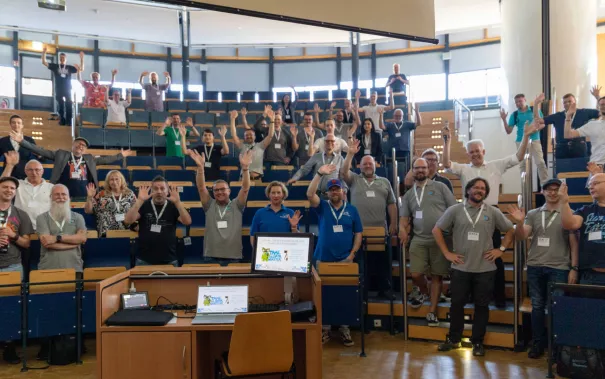
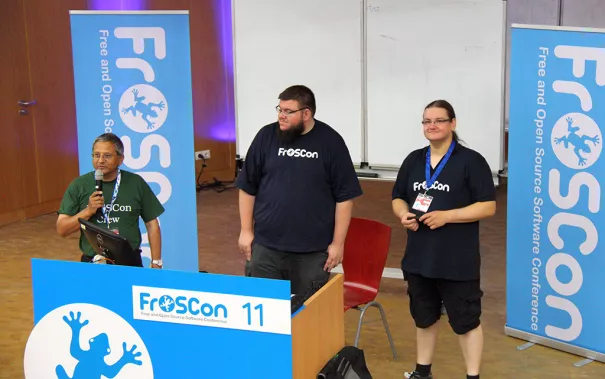
August 2025: 20 years of FrOSCon – a vibrant hub for the open-source community
The 20th FrOSCon, held on the Sankt Augustin campus, once again set a new attendance record: over 2,000 visitors came to experience the oldest regularly held conference at Bonn-Rhein-Sieg University of Applied Sciences. More than 110 speakers, 16 partner companies, 40 open-source projects and numerous workshops provided plenty of opportunities for learning and discussion.
December 2024: The Institute for Visual Computing is hosting the Interdisciplinary Lamarr & B3D Meet-Up at Bonn-Rhein-Sieg University of Applied Sciences. Under the title “CS & Physics Meet-Up 2.0 by Lamarr & B3D”, the event focused on the interplay between artificial intelligence, machine learning, physics and astronomy. The event brought together researchers from the Lamarr Institute and the Big Bang to Big Data cluster, providing a space for professional exchange, discussions and new points of contact.
April 2024: Robotics team wins the RoboCup German Open in Kassel
The robotics team from Bonn-Rhein-Sieg University of Applied Sciences has taken first place in the @work league for industrial robots at the German Open, an international robotics competition held in Kassel. With their mobile robot, which was further developed at the university, the students prevailed against strong competition
July 2023: University robotics team crowned RoboCup world champions
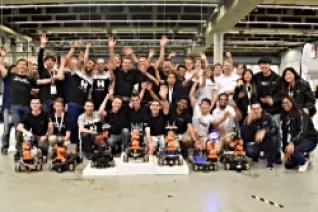
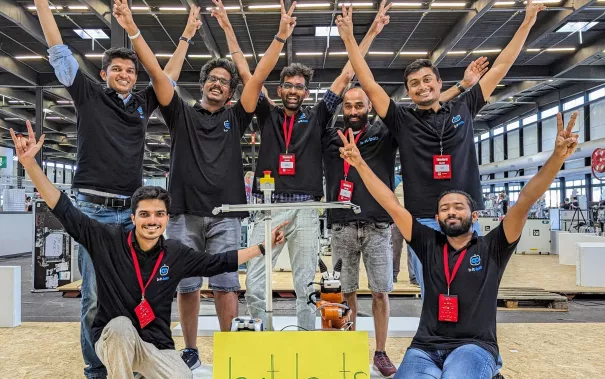
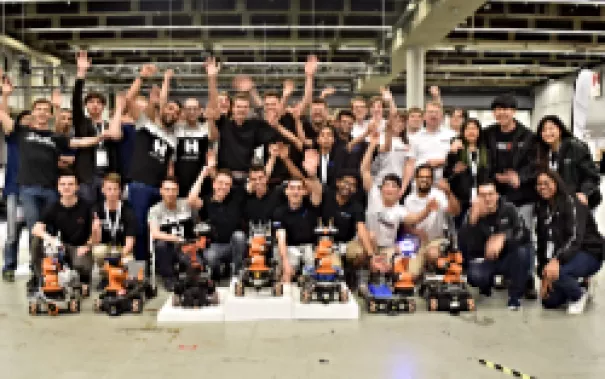
The b-it-bots team has won the world title in the @work league at RoboCup 2023 in Bordeaux, France. This is the third world title for b-it-bots, having previously been crowned world champions in 2019 and 2009.
September 2021: Hosting of the ICAT-EGVE Conference
Merger of the 31st International Conference on Artificial Reality and Telexistence (ICAT) and the 26th Eurographics Symposium on Virtual Environments (EGVE 2021), as well as the parallel VR/AR workshop organised by the Virtual Reality and Augmented Reality (VR/AR) Section of the German Informatics Society
July 2021: b-it-bots take silver at the RoboCup World Championships
The university’s two b-it-bots teams achieved excellent results at the RoboCup World Championship. In two disciplines, the students from Sankt Augustin competed against teams from all over the world with their robots. In the @work league, the fledgling H-BRS team secured the runner-up title, whilst in the @home league, the students battled their way to fifth place against strong competition.
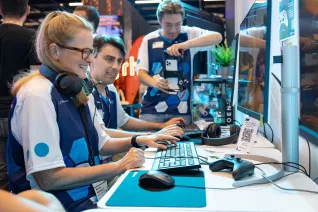
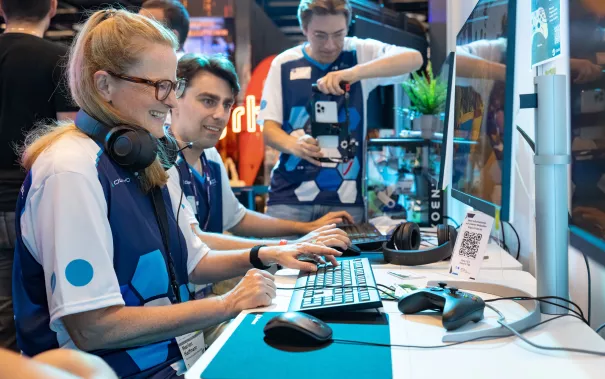
August 2020: Debut for the Department of Computer Science at Gamescom
Since 2020, the department has had its own stand at Gamescom in Cologne – initially on its own, and subsequently as the lead organiser for the university. Through projects in virtual reality, game development, educational games and robotics, the department demonstrates to over 300,000 visitors from all over the world just how closely research, teaching and the social relevance of games are intertwined.
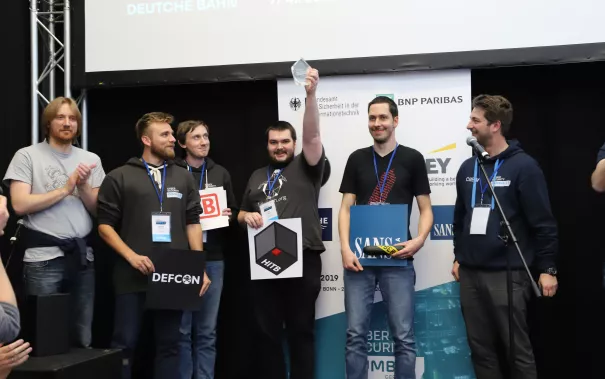
August 2020: To the Moon and Back – Success at Hack-A-Sat
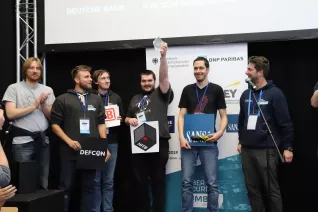
A photo of the Moon earned Team FluxRepeatRocket – comprising top hackers from Bonn-Rhein-Sieg University of Applied Sciences, the University of Bochum and an expert from Stuttgart – prize money of US$20,000. The team came third in the final of the US Air Force’s Hack-A-Sat competition, beating five other hacker teams
July 2019: b-it-bots win the world championship title
It’s as if they’d been building up to this since May: following their victory at the German Championships, the b-it-bots have now also secured the world title in the @work league in Sydney. In this RoboCup league, the main focus is on logistical tasks, with robots required to carry out work independently in warehouses and production facilities.
May 2019: b-it-bots German Champions
In the @work league of the RoboCup German Open, the university team won by a wide margin, taking the championship title back to Sankt Augustin. The service robots in the @home league are also well programmed: with their robot "Lucy", they finished fourth in the overall standings
May 2019: b-it-bots German Champions
In the @work league of the RoboCup German Open, the university team won by a wide margin, taking the championship title back to Sankt Augustin. The service robots in the @home league are also well programmed: with their robot "Lucy", they finished fourth in the overall standings
January 2016: Computer science students nominated for the CeBIT Award
Sebastian Stenzel and Tobias Hagemann are among the three winners of the 2016 CeBIT Innovation Award. Their project, ‘Cryptomator’, is an open-source solution for encrypting and storing data in any cloud or, if required, on a memory card. The project later gave rise to the start-up Skymatic GmbH, which successfully commercialised the idea.
September 2015:
D A CH Security Conference at the H-BRS (led by Prof. Dr Kerstin Lemke-Rust and Prof. Dr Markus Ullmann)
September 2015: 12th VR/AR Workshop organised by the German Informatics Society at H-BRS (led by Prof. André Hinkenjann)
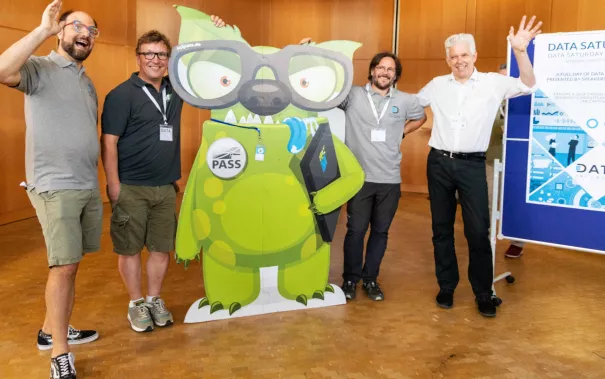
Juni 2013: First SQL Saturday Rhineland at H-BRS
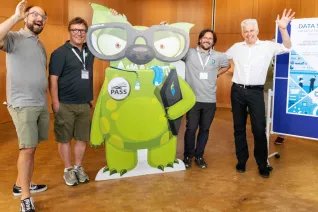
Prof. Harm Knolle is co-hosting the event with PASS Deutschland e. V. and has organised a wide-ranging programme for professionals covering the various data platforms from Microsoft and other vendors.
2013: Andreas Hense founded the YAWL User Group as an international specialist community for the open-source workflow system YAWL
Summer 2009: b-it-bots become world champions
Johnny the robot outperformed the strong competition in the RoboCup@Home league. He was able to find his way around a new environment, fetch a drink from the dining room and hand it to a guest. In doing so, Johnny recognised the mood of the person he was interacting with and responded accordingly.
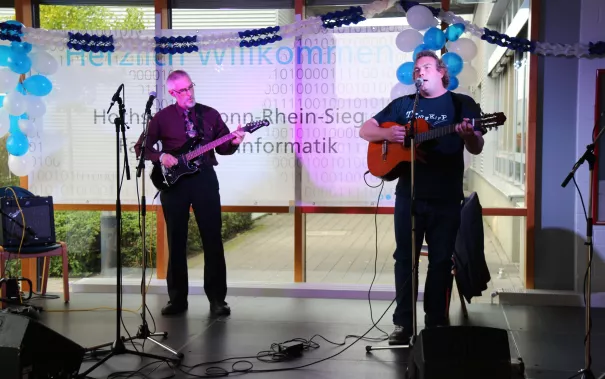
October 2006: Open Day at the Department of Computer Science to mark its anniversary
The programme for the open day offers an almost breathtakingly exciting line-up for anyone interested: a motion tracker for monitoring, web portals to support races at the Nürburgring, technical simulation games, a cross-language search system that also supports Japanese, football-playing robots, and much more.
Juni 2006: First Free and Open Software Conference (FrOSCon)
The first FrOSCon (Free and Open Source Software Conference) took place at Bonn-Rhein-Sieg University of Applied Sciences (H-BRS) in Sankt Augustin. It was launched by FrOSCon e.V. in collaboration with the university’s Department of Computer Science to promote free software and provide a platform for developers and users. The conference has since become firmly established at this venue.
May 2006: First international conference at the H-BRS: "20th European Conference on Modelling and Simulation", chaired by Prof. Dr. Ing. Wolfgang Borutzky
Partnerships
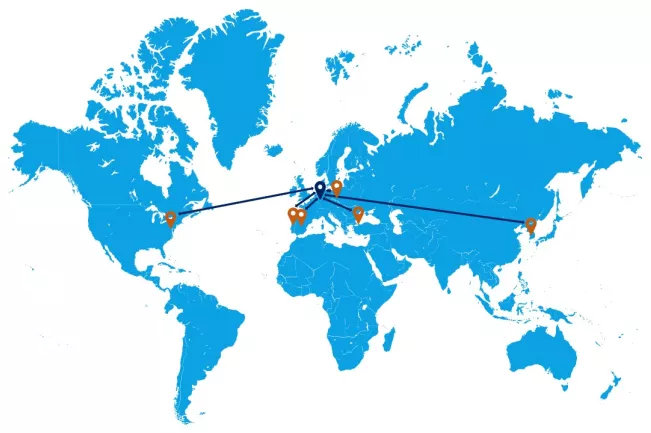
Partner universities (selection)
January 2026: Through the “ToFI 2.0 – Together for Innovation” project, H-BRS will be strengthening its strategic partnerships with its partner universities in New Brunswick (Canada), Cape Coast (Ghana) and Amman (Jordan) over the next three years, and expanding the collaboration to include a knowledge transfer component. The DAAD will fund the project from January 2026 with a total of around 450,000 euros.
2023/24: Launch of the partnership with Chernihiv Polytechnic National University (CPNU) (Ukraine), featuring an online mobility programme for students and joint courses
2023: Start of the collaboration between the Institute of Visual Computing (IVC) and the Nara Institute of Science and Technology (NAIST) in Japan
2024: Strategic partnership with the German Jordanian University in Amman (Jordan)
2022: Official partnership with the Vietnamese German University, with which the department has been collaborating since 2008
2020: The partnership with Mälardalen University (Sweden) stems from previous collaboration on EU projects
2016: The collaboration with Prof. Gerhard Kretzschmar has led to the establishment of an official partnership with Sapienza University of Rome (Italy)
2014: The Institute of Visual Computing (IVC) is launching a collaboration with Simon Fraser University in Vancouver (Canada)
2011: Alexander Bochem is the first student to complete a dual degree. He has been awarded a Master of Autonomous Systems from H-BRS and a Master of Computer Science from the Canadian partner university, UNB.
2005: Partnership with York University in Canada
2005: Launch of the partnership with the University of New Brunswick in Fredericton (Canada), starting with summer schools, followed by double degrees and adjunct professorships
Further information on the Department of Computer Science’s partner universities
Partners in the business sector and public authorities
2024: Strengthening cooperation with Fraunhofer IAIS
Researchers from the Fraunhofer IAIS in Sankt Augustin and the Department of Computer Science at Bonn-Rhein-Sieg University of Applied Sciences (H-BRS) are collaborating on the strategic development of artificial intelligence (AI). Led by Prof. Dr Sebastian Houben, a new research group will focus on so-called multimodal foundation models
April 2024: Minister for Digitalisation Scharrenbach visits the university
Ina Scharrenbach, Minister for Home Affairs, Local Government, Construction and Digitalisation for the State of North Rhine-Westphalia, is getting an insight into current research projects at the university. The focus is on digitalisation: Scharrenbach is learning about research in the fields of cyber security and consumer informatics
August 2022: Federal Minister for Research Bettina Stark-Watzinger praises “ambitious research projects”
The visit will focus on sustainability and digitalisation – during her tour, the Minister will visit, among other places, the showroom of the Institute for Visual Computing, the hydrogen laboratory and the power electronics laboratory.
Oktober 2018: H-BRS is a founding member and key academic partner of Cyber Security Cluster Bonn e.V.
2016: The Digital Hub Bonn was established on the initiative of the North Rhine-Westphalia Ministry of Economic Affairs. H-BRS is one of the four initiators and a founding member. The Department of Computer Science is involved through Professor Thorsten Bonne and Lecturer Friedrich Fuß, and is proud of the numerous start-ups that have emerged from within its ranks.
2008/09: Expanding security research with Fraunhofer FKIE
Oktober 2001: Cooperation with the BSI
On 29 October 2001, a cooperation agreement was signed between the two organisations. The aim was to work together in the field of IT security.
Publications
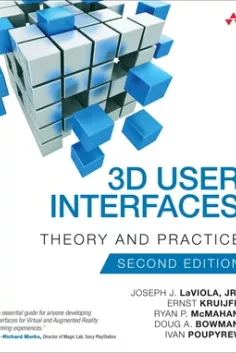
The book 3D User Interfaces: Theory and Practice (2017) by Joseph J. LaViola Jr., Ernst Kruijff, Ryan P. McMahan, Doug A. Bowman and Ivan Poupyrev is regarded as the standard reference work in the field of 3D user interfaces. It offers a comprehensive introduction to the theoretical foundations, interaction techniques and practical applications of 3D user interfaces in virtual and augmented reality. Due to its academic depth and systematic structure, the book is used worldwide in research and teaching as a key reference for the field.
Der Fachbereich Informatik an der Hochschule Bonn-Rhein-Sieg
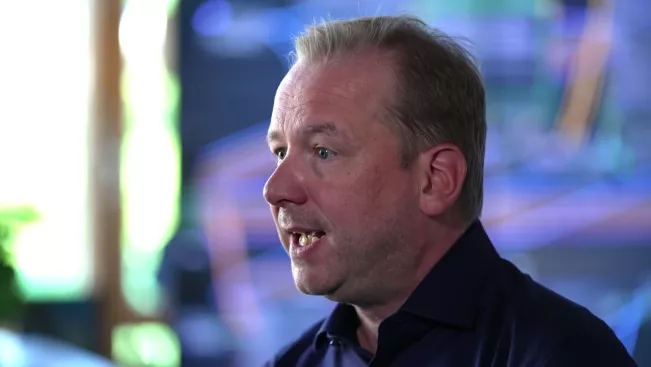
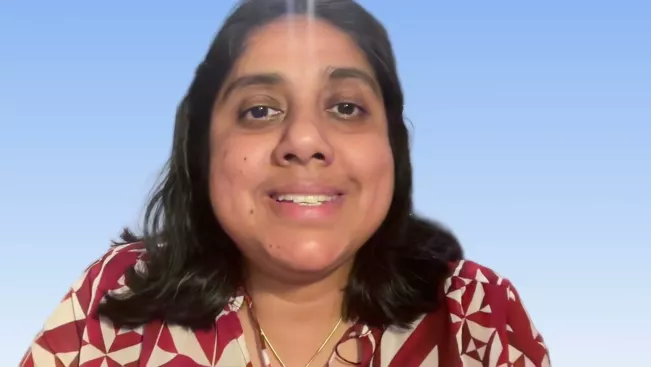
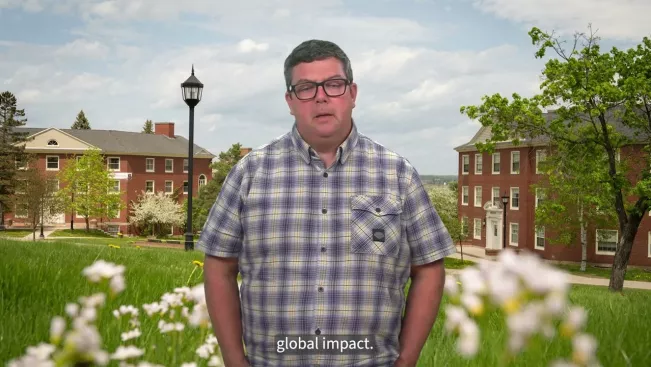
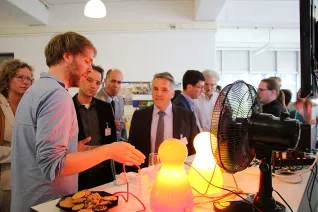
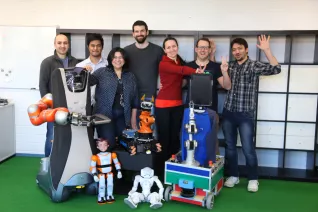
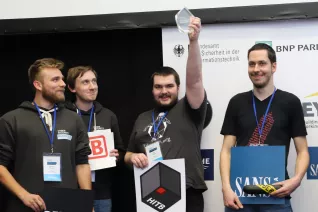
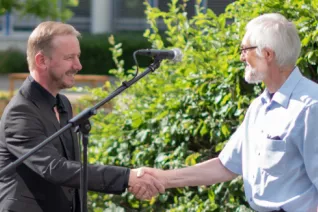
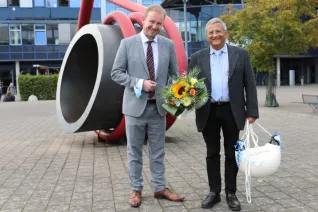
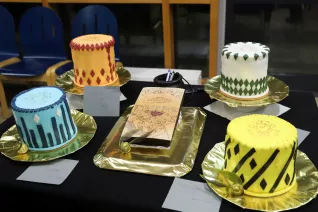
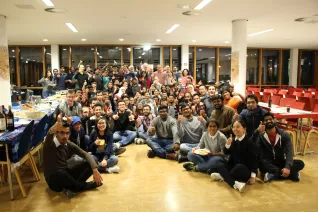
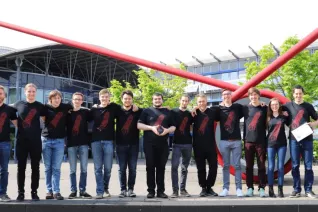
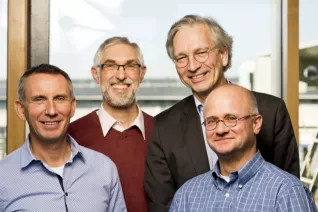
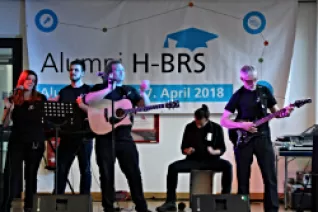
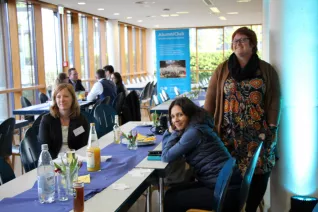
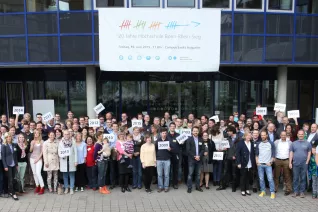
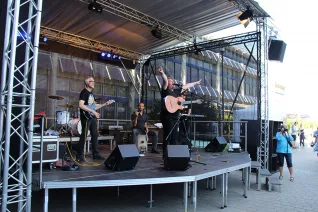
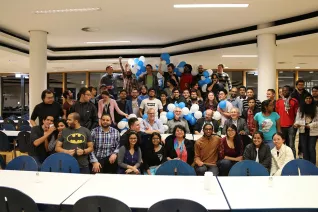
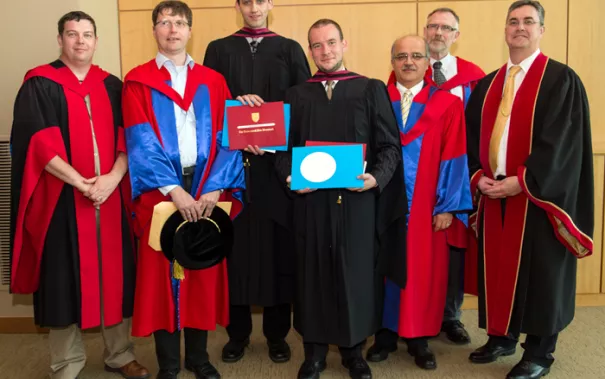
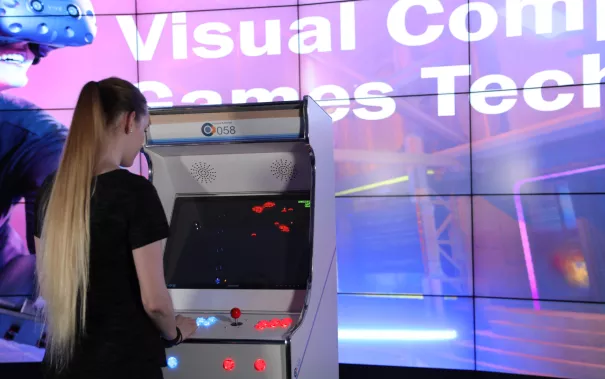
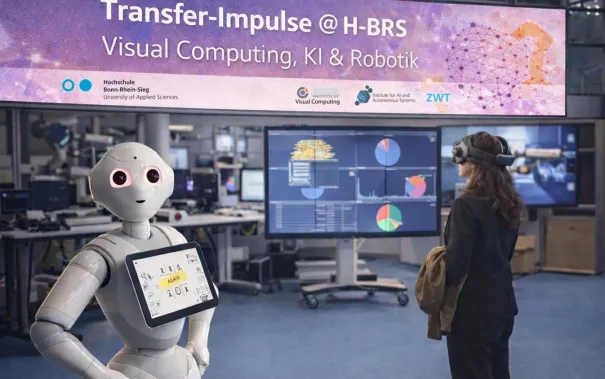
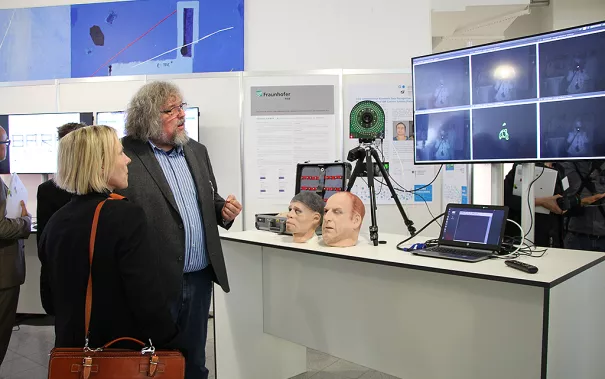
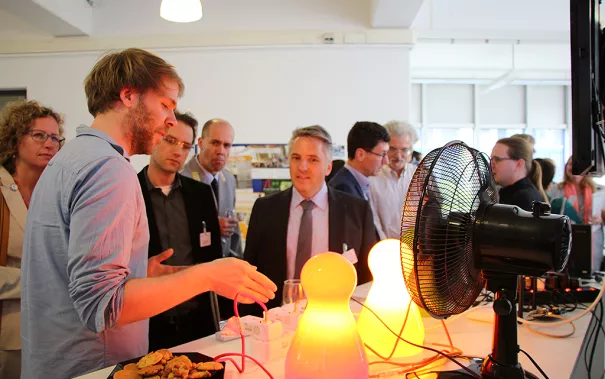
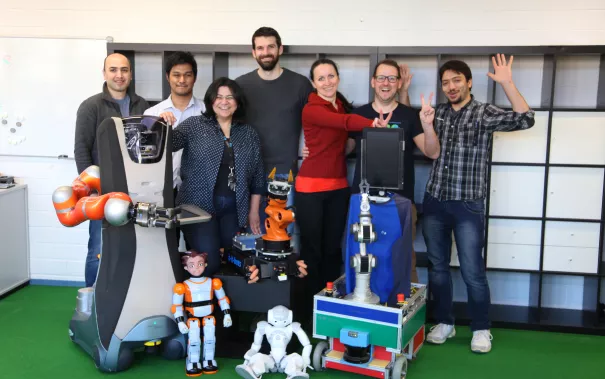
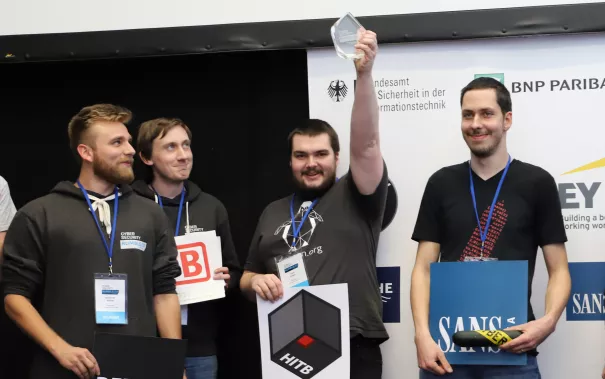
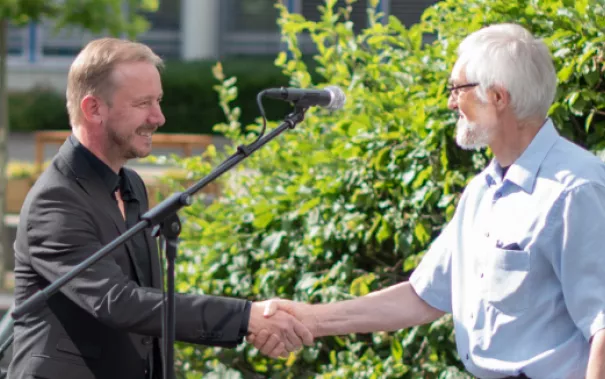
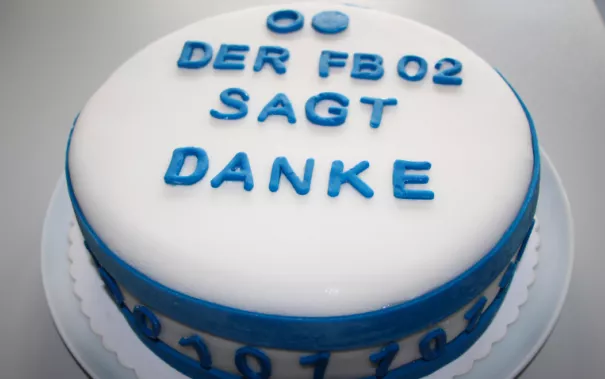
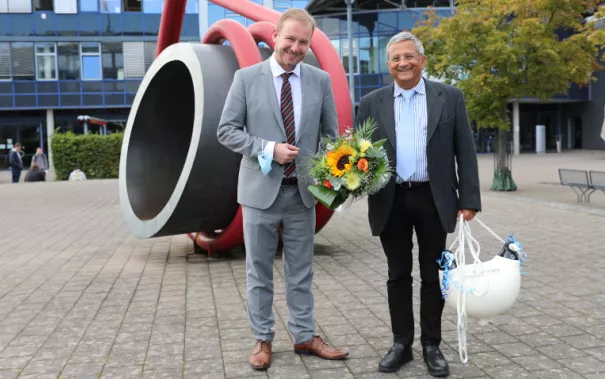
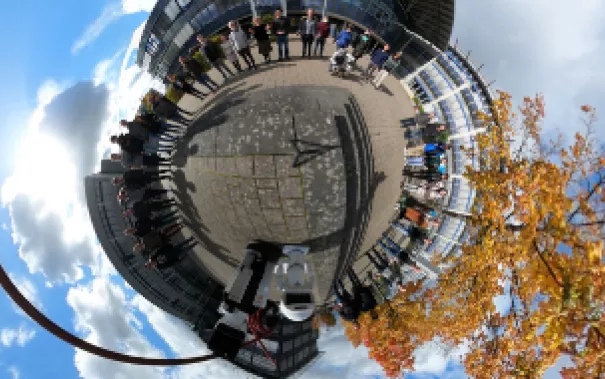
Highlights from 30 years of the Department of Computer Science
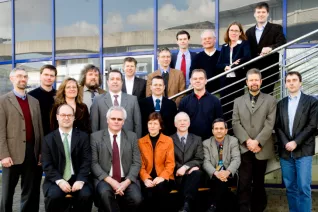
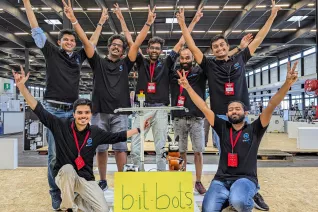
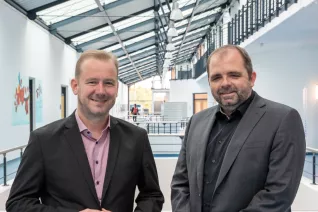






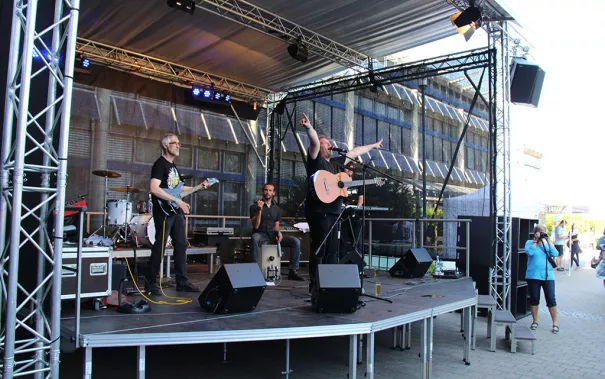
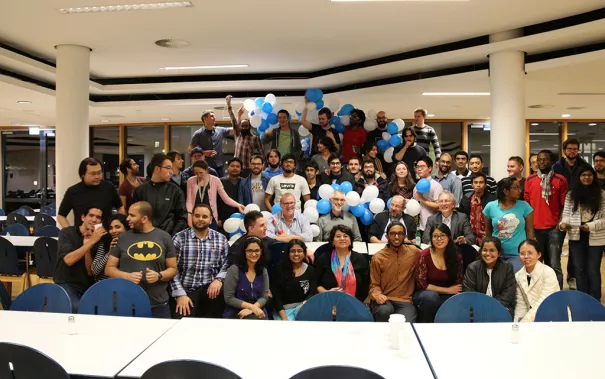
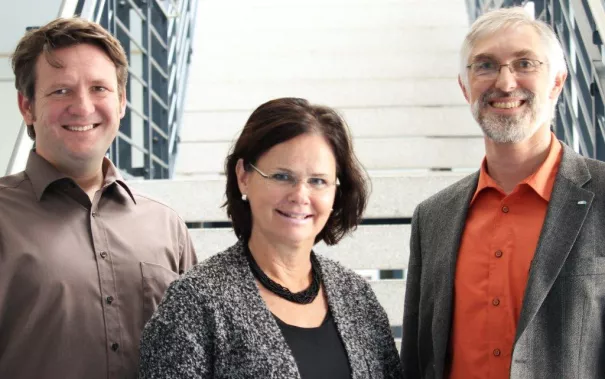
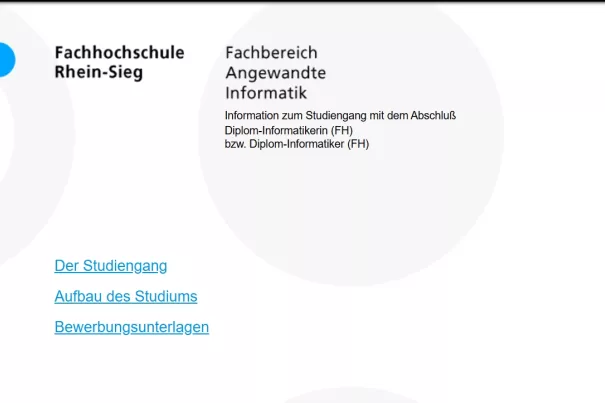
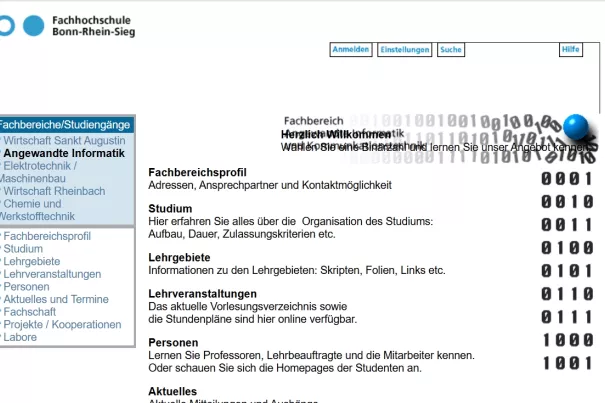
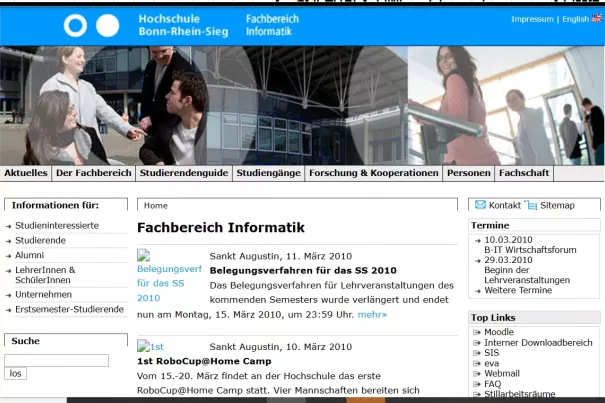
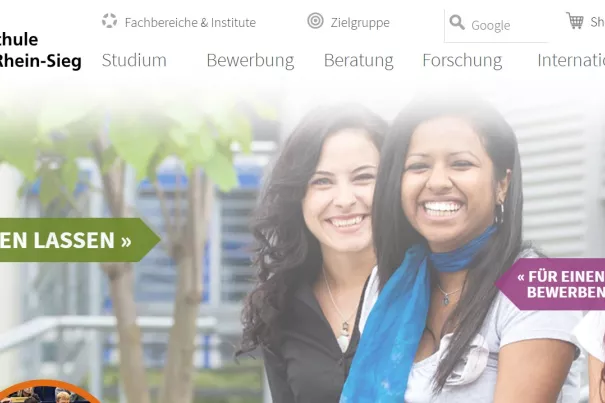
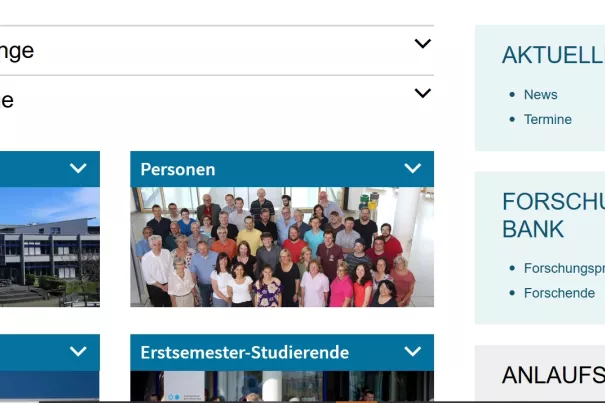
Die FB INF Homepage im Wandel der Zeit
Sponsored by

Contact

Location
Sankt Augustin
Room
C 218 / Dean's office C 101
Address
Grantham-Allee 20
53757, Sankt Augustin
Contact Points
Public Relations Department of Computer Science
Campus
Sankt Augustin
Room
C 157