Department of Computer Science
30 Years of the Department of Computer Science – Anniversary Celebrations with a Focus on AI
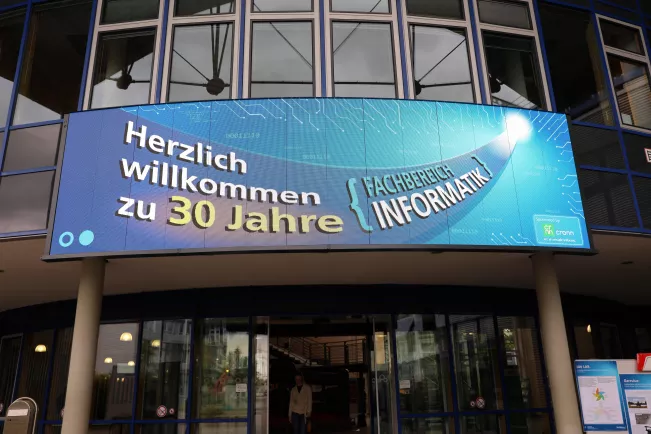
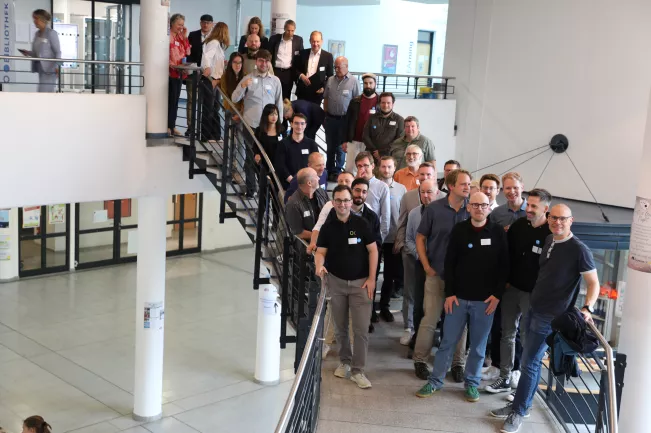
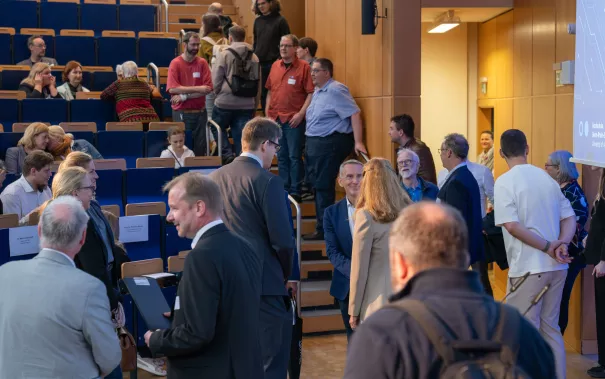
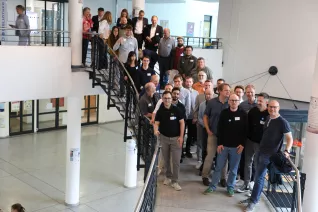
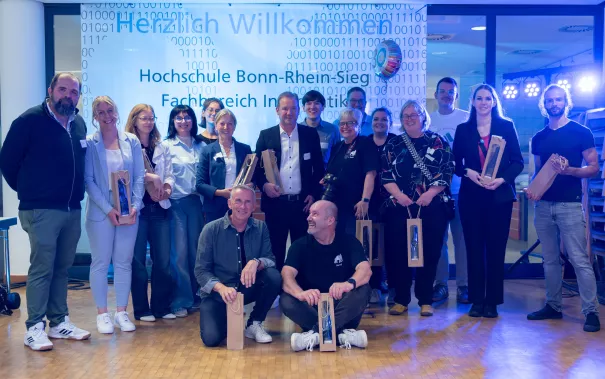
On 12 June 2026, the Department of Computer Science at Bonn-Rhein-Sieg University of Applied Sciences (H-BRS) celebrated its 30th anniversary. Under the motto ‘AI – quo vadis?’, alumni, students, staff and numerous guests from the worlds of academia and industry came together to look back on three decades of computer science at H-BRS and, at the same time, to look ahead to the future of artificial intelligence.
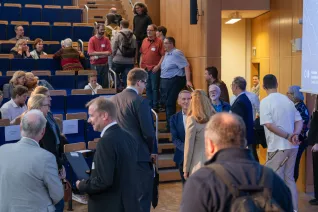
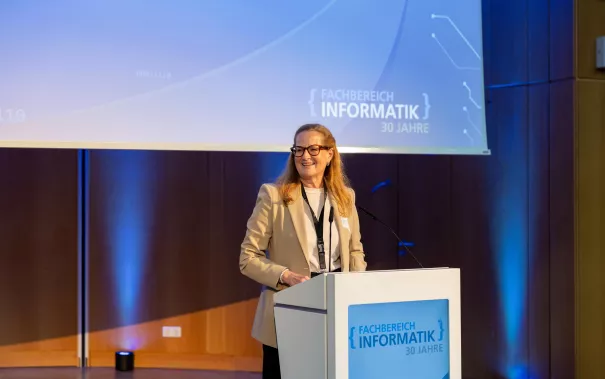
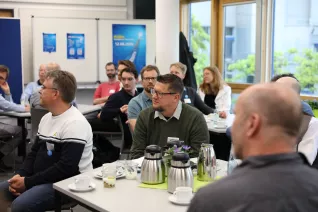
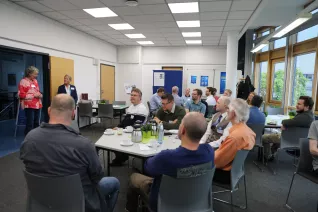
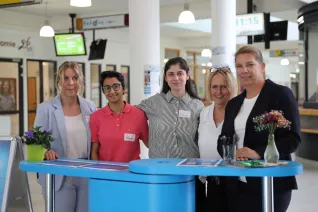
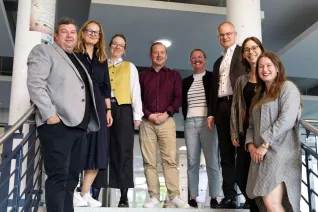
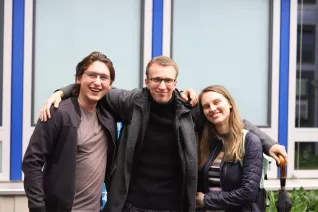
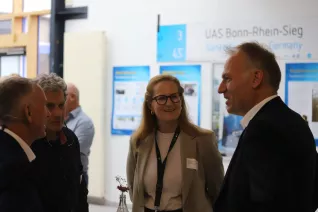
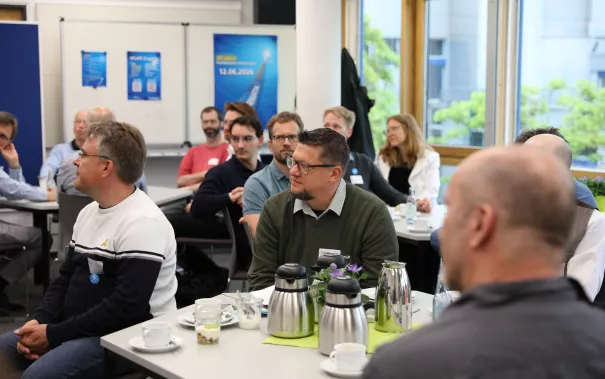
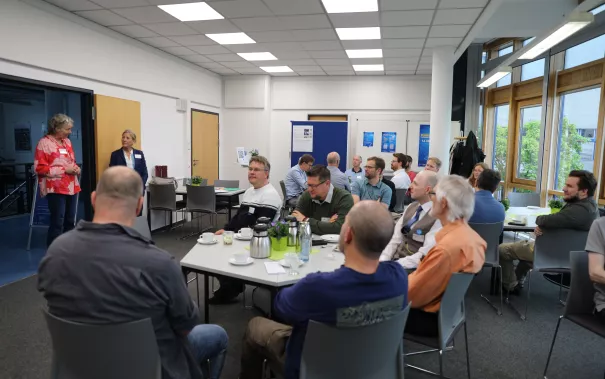
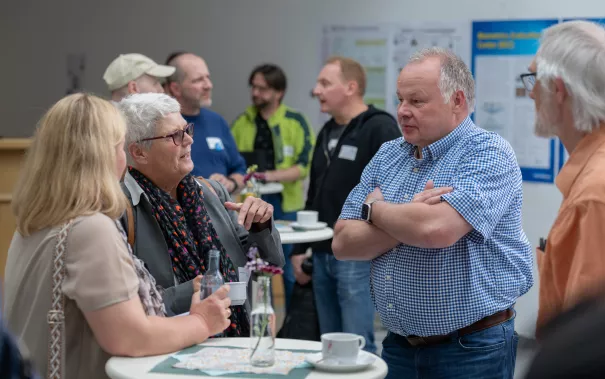
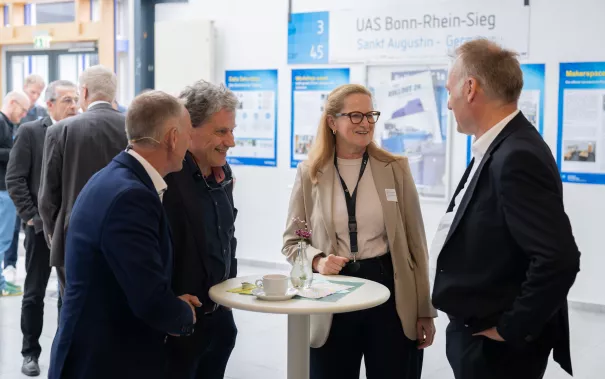
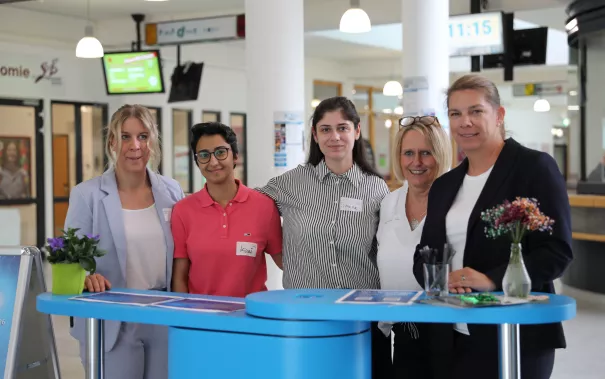
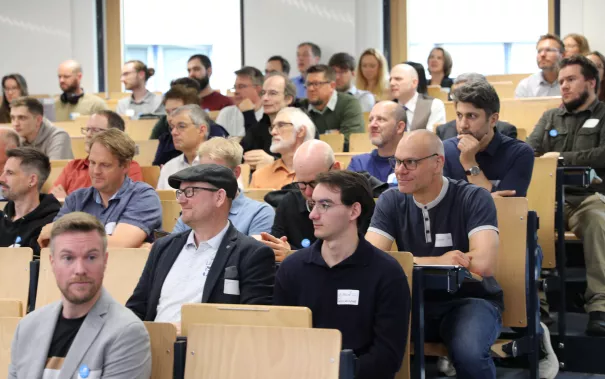
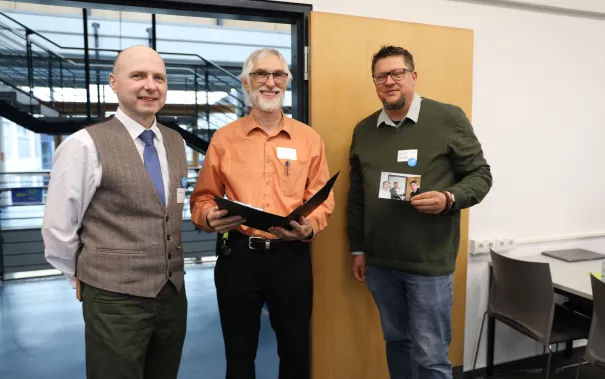
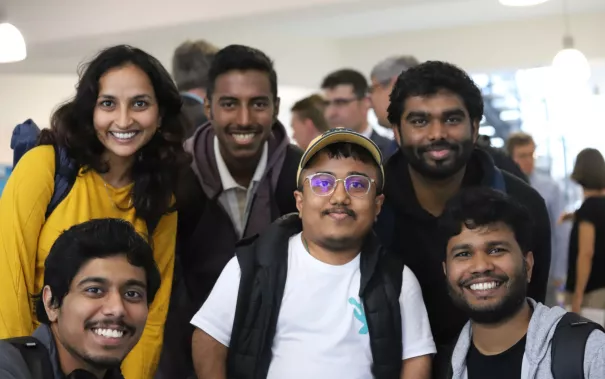
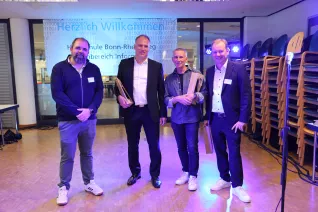
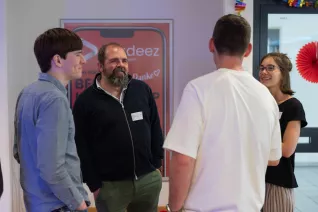
The event kicked off with an alumni breakfast. Around 40 former students took the opportunity to catch up with one another and with their former lecturers. The alumni were welcomed by Dean Prof. Dr Sascha Alda, Barbara Wieners-Horst, the university’s alumni officer, and Prof. Dr Alexandra Kees, the department’s alumni officer.
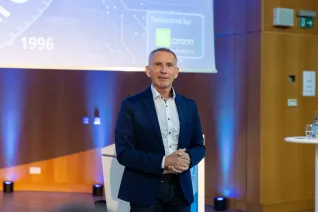
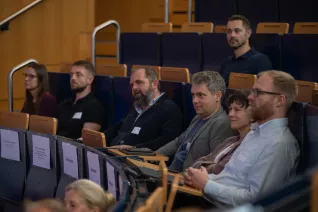
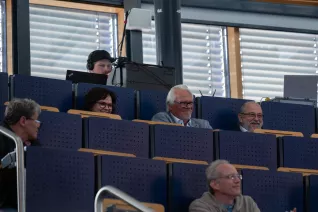
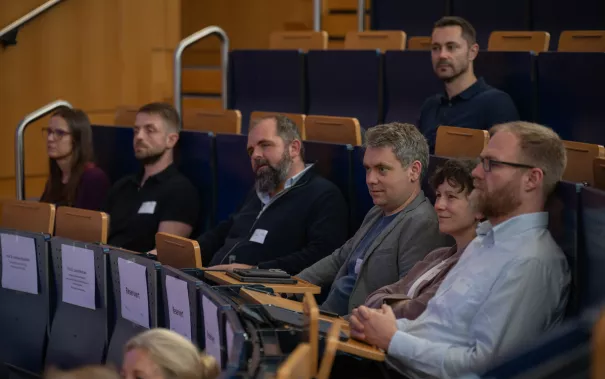
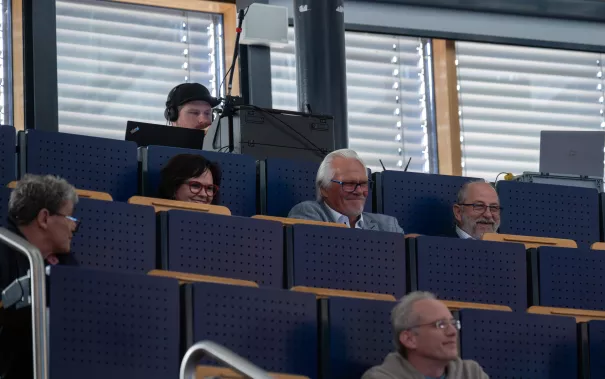
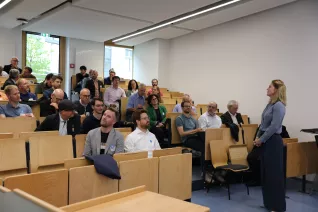
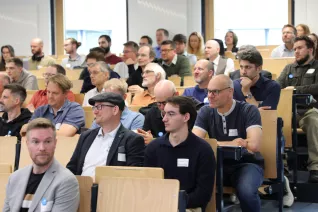
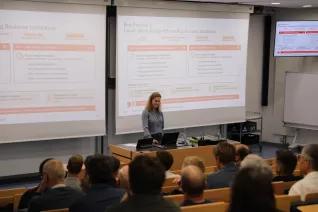
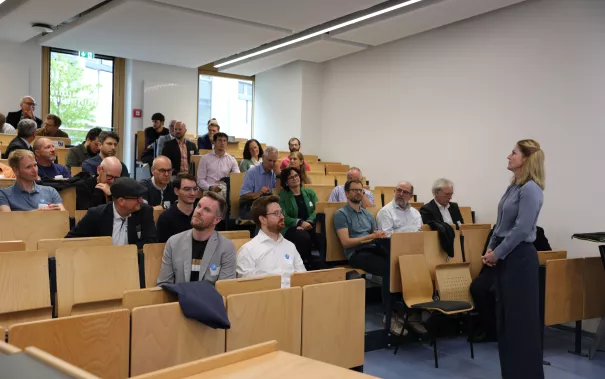
Prof. Dr Alexandra Kees and Dean Prof. Dr Sascha Alda then opened the lecture series in Lecture Theatre 7. Kees introduced the topic of the day and explained the Gartner Hype Cycle, which was developed in 1995 by Gartner analyst Jackie Fenn. The model describes the typical phases that new technologies go through, from initial attention, through peak of inflated expectations, to productive use. Against this backdrop, three presentations explored the question of where artificial intelligence stands today and how its use will develop in the future.
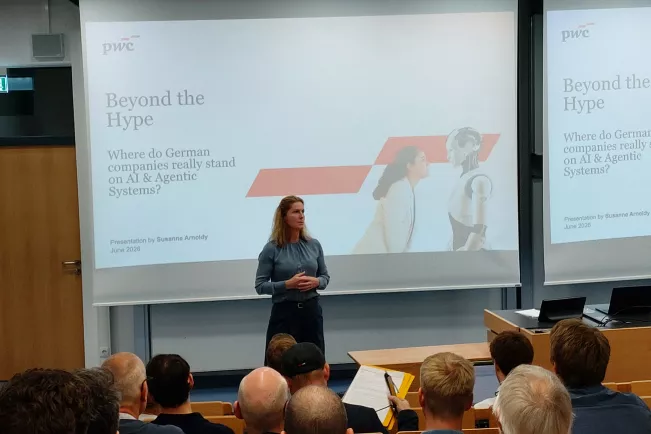
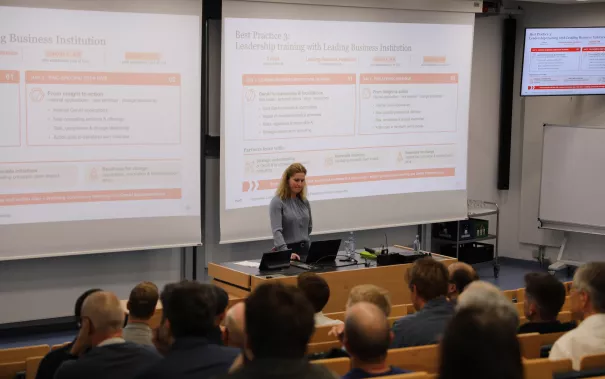
The first presentation was given by Susanne Arnoldy of PwC, entitled “Beyond the Hype: Agent-based Systems as the Next Stage in the Hype Cycle of New Technologies”. She explained the transition from reactive AI to so-called agent-based systems, which are increasingly capable of coordinating and controlling business processes autonomously and in a results-oriented manner. Arnoldy emphasised that German companies should no longer try to slow down the development of AI. Rather, the crucial question is whether companies have already made sufficient progress in implementing and making sensible use of the technology to successfully harness its potential.
Prof. Dr Jörn Hees then spoke on the topic ‘Computer Science Amidst the AI Hype: What Was, Is, Will Be and Will Remain?’. Hees, himself an alumnus of the Department of Computer Science, has been working in the fields of artificial intelligence and machine learning for many years. He began exploring association methods and machine learning as early as his doctoral research. In his lecture, he placed current developments in a historical context and highlighted which fundamental concepts of computer science will endure despite all technological changes.
The lecture series concluded with a presentation by Patrick Schidler, also an alumnus of the department and now working at Microsoft Barcelona, titled ‘The Accelerated Hype Cycle: Dual-Constraint Model and Metrics for GenAI Adoption in Software Companies’ . Schidler emphasised how relevant the foundations he acquired during his studies remain for his professional career to this day. With regard to the introduction of generative AI in companies, he highlighted that, in addition to technological issues, building trust in AI systems is particularly crucial. Companies must actively support this transformation and implement targeted change management in order to win employees over to the new technologies and successfully exploit their potential.
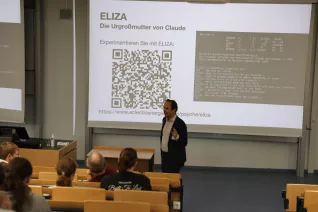
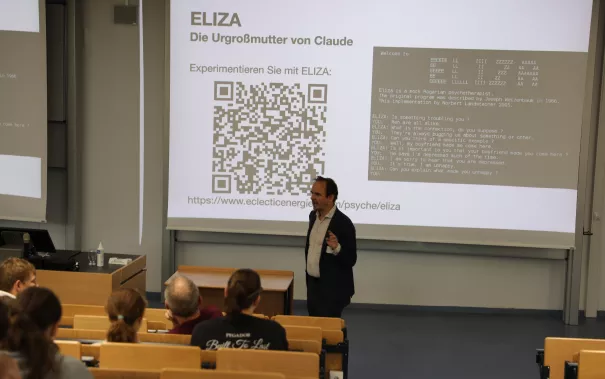
Alongside the anniversary programme, the department invited sixth-form students to the Junior University. In three lectures, participants gained insights into current topics of computer science. Prof. Dr Marie Bergmann demonstrated how digitalisation can contribute to sustainability. Prof. Dr Michael Rademacher used an SMS blaster to explain how small security vulnerabilities in digital systems can have major consequences. Prof. Dr Stefan Schiffner’s lecture focused on artificial intelligence and data protection. Under the title ‘ELIZA and I – Privacy in AI’, he traced the development from ELIZA, one of the first chatbots from the 1960s, to today’s AI systems, and highlighted why the protection of personal data is playing an increasingly important role in this context.
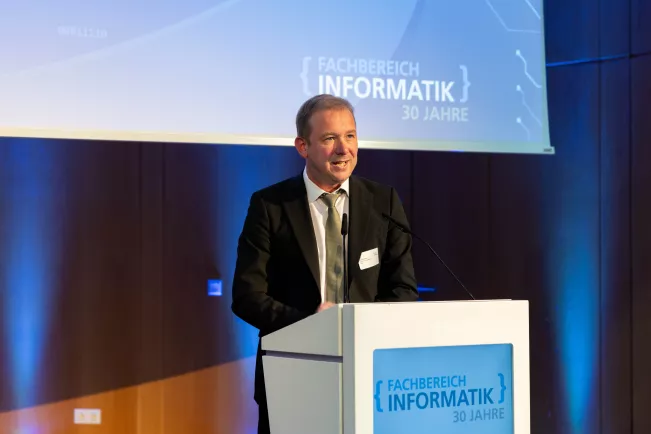
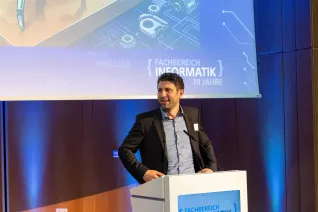
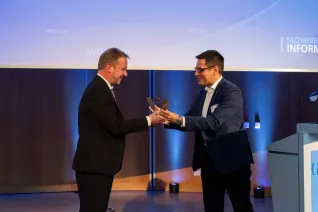
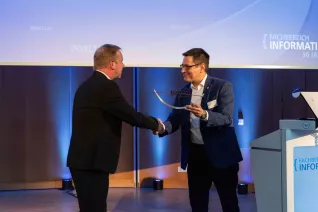
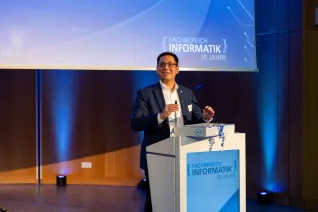
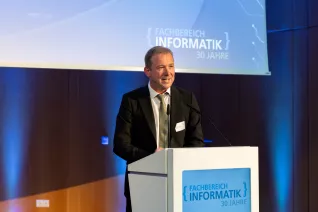
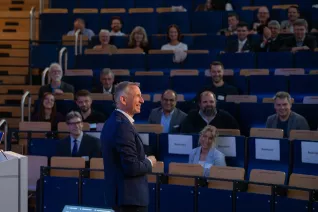
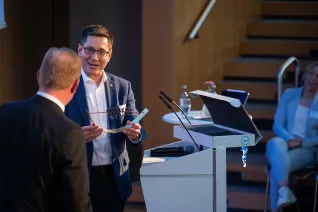
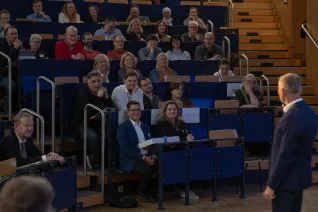
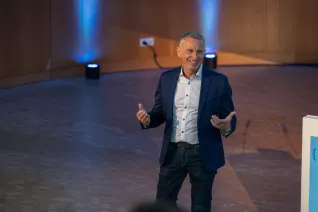
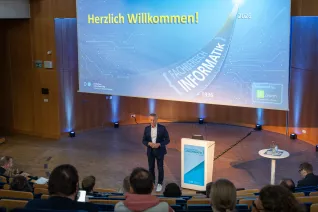
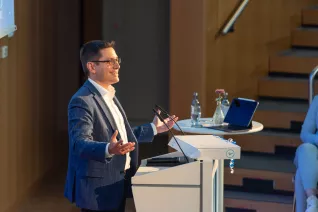
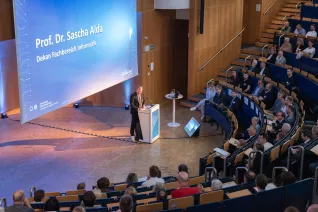
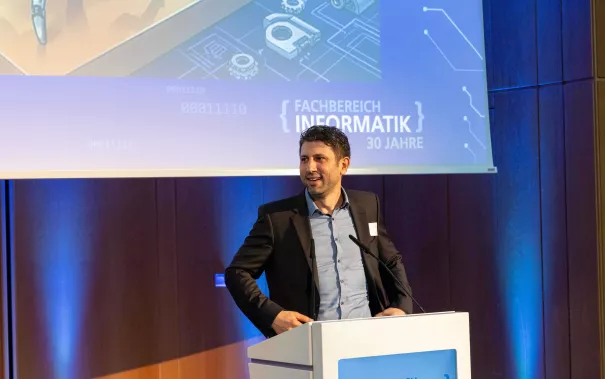
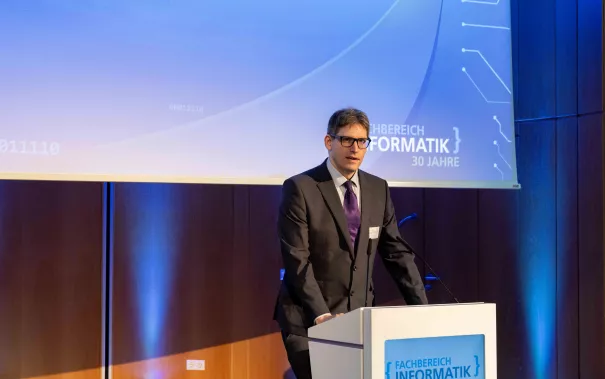
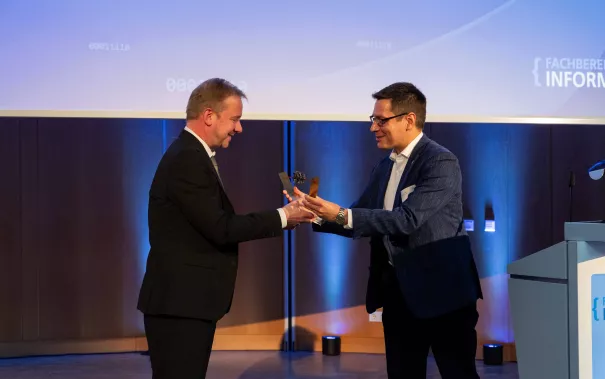
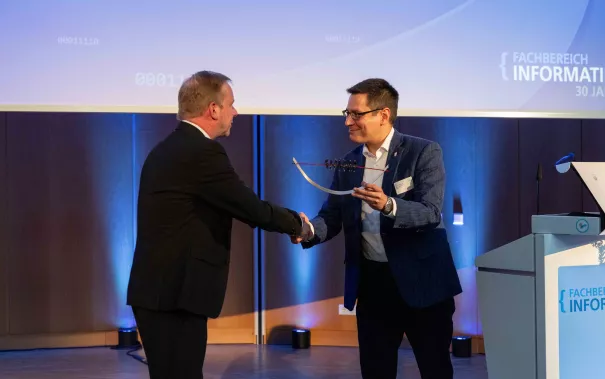
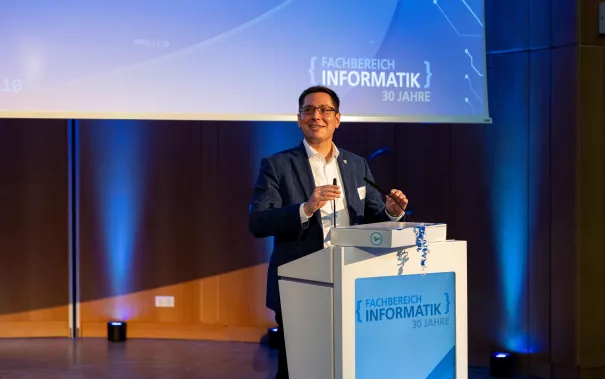
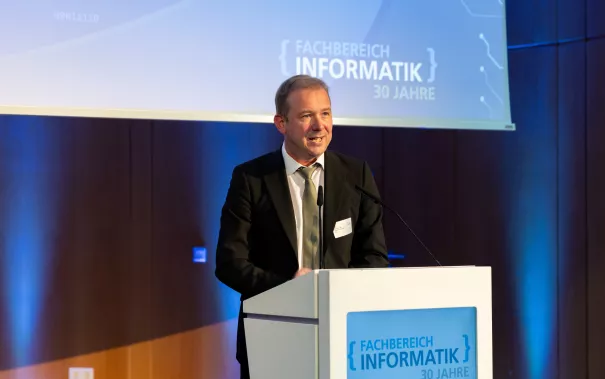
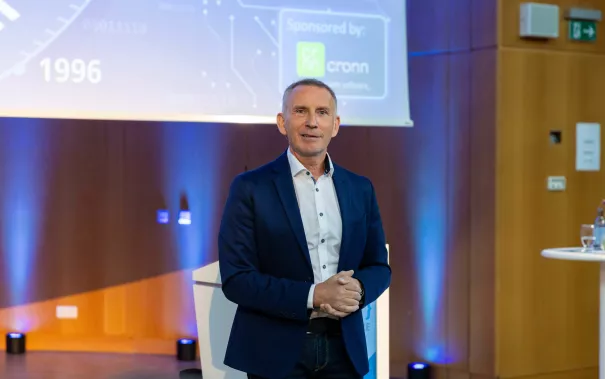
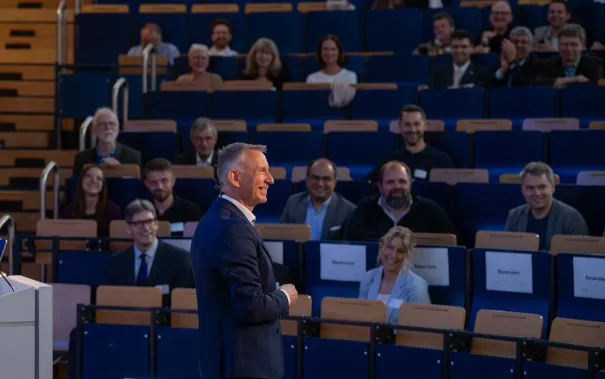
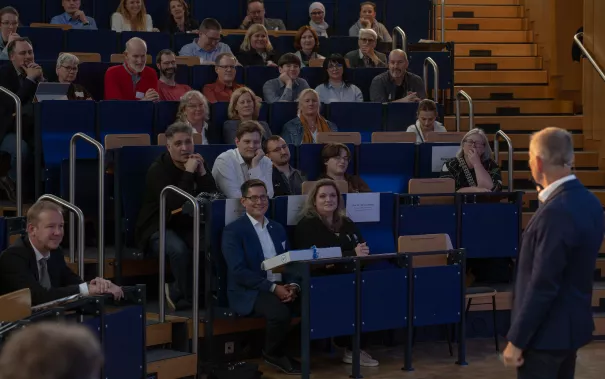
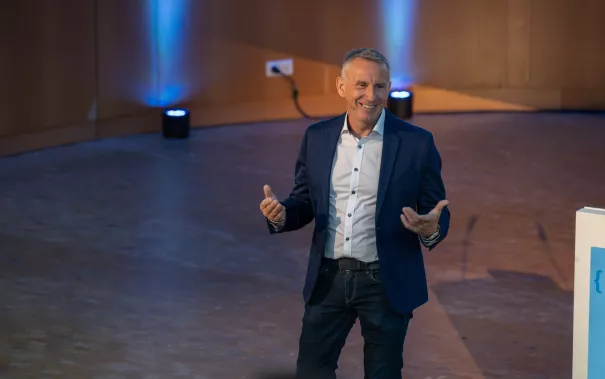
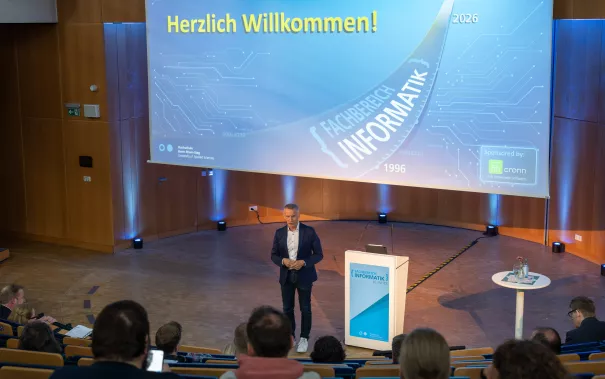
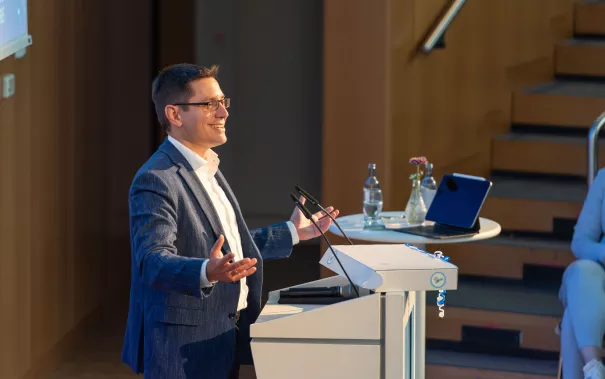
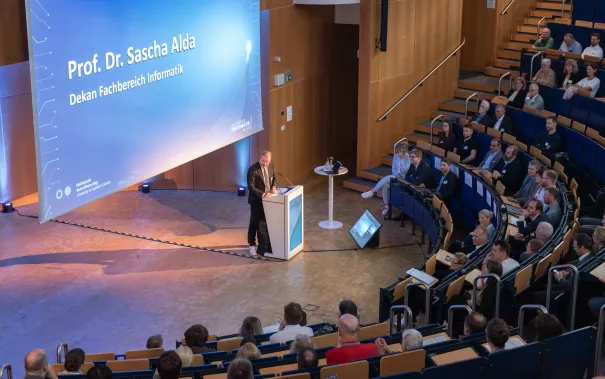
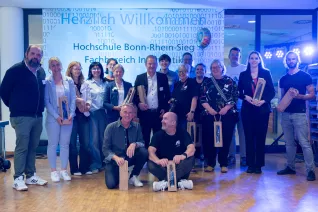
Thorsten Bonne hosted the afternoon ceremony in the Audimax, attended by 200 representatives from the university, the business community and the alumni network, with a presentation that was as confident as it was humorous. He began by jokingly recounting how he had asked an AI for the correct order of the welcome speeches. Its reply: it is not hierarchy that counts, but the significance to the university – which is why Bonne deliberately placed the students at the centre of his welcome address. Dean Prof. Dr Sascha Alda then took the guests on an entertaining journey through 30 years of the department’s history. Since the first lecture on 30 September 1996, attended by just 13 students and three professors, the department has developed continuously and, thanks to its extensive network of partners and proven research strength, is now one of the university’s leading departments.
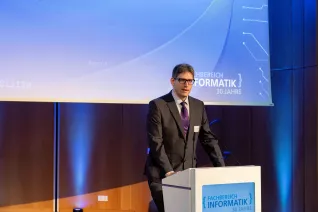
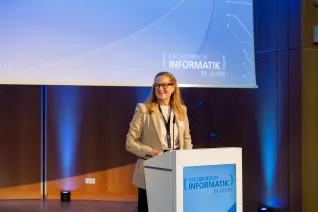
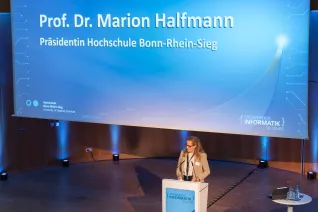
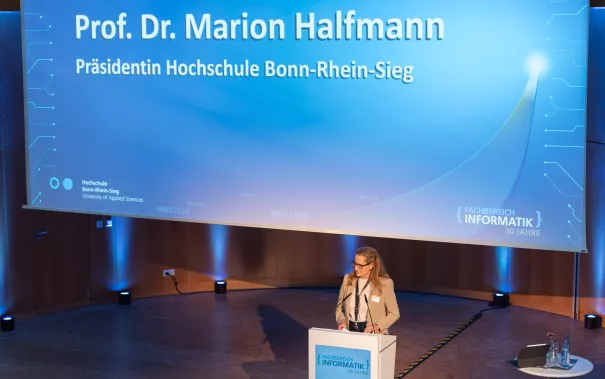
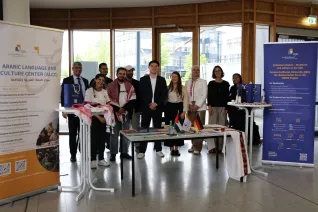
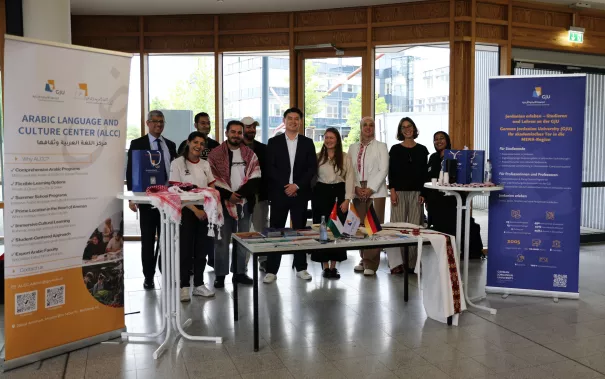
University President Marion Halfmann welcomed not only the numerous guests from the university, the business community and the alumni network, but also the department’s international partners, including delegations from partner universities in Fredericton, Canada, and the German Jordanian University (GJU) in Jordan. It became clear from the speeches that the Department of Computer Science embodies the goals of a transformative university in a unique way: innovative, internationally connected and open to new approaches. The fact that the department, with its own culture and sometimes unconventional approaches, occasionally provokes comparisons with a ‘little Gaulish village’ in Asterix Comics or even with ‘Windows Vista’ was taken with a pinch of salt.
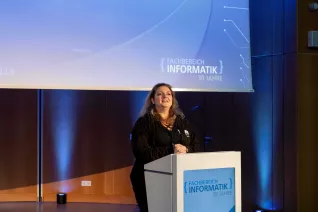
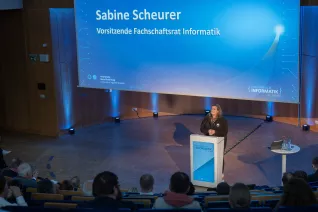
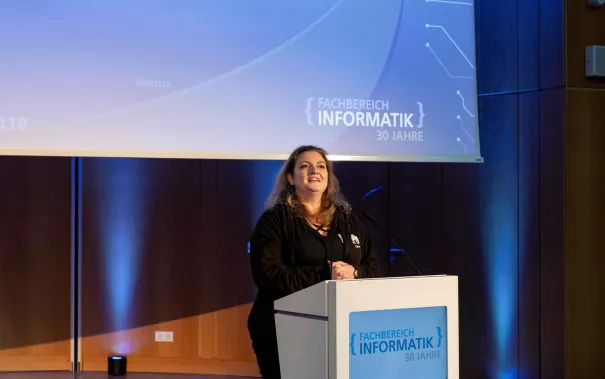
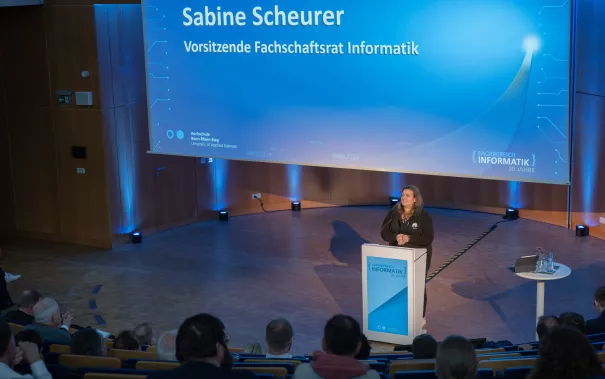
Mayor and H-BRS professor Dr Max Leittersdorf spoke in his dual capacity. He emphasised the great importance of the university for regional development and for securing a skilled workforce. At the same time, he explained that he had once deliberately chosen Bonn-Rhein-Sieg University of Applied Sciences as his preferred employer from among several offers. The speeches concluded with the student perspective: Sabine Scheurer, Chair of the Computer Science Students’ Association, presented the students’ viewpoint and highlighted the department’s unique sense of community and identity.
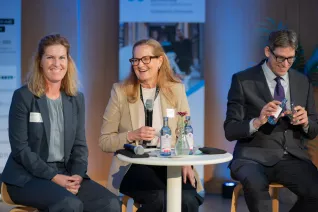
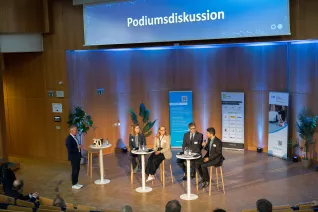
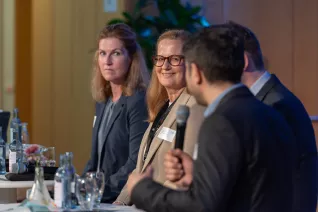
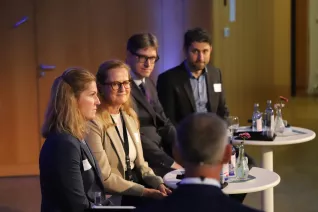
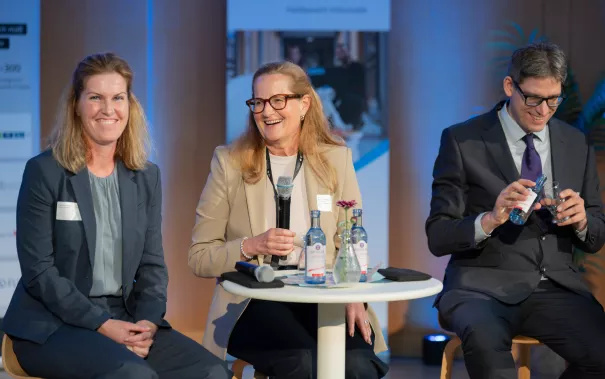
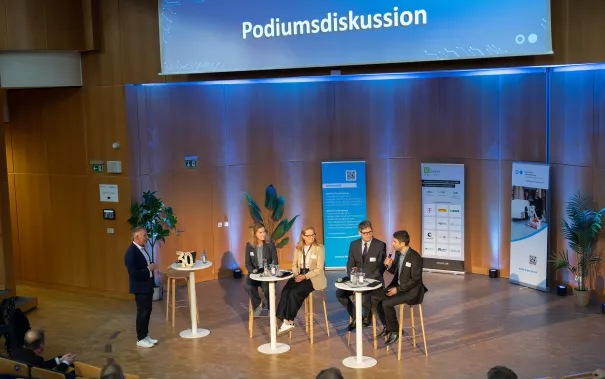
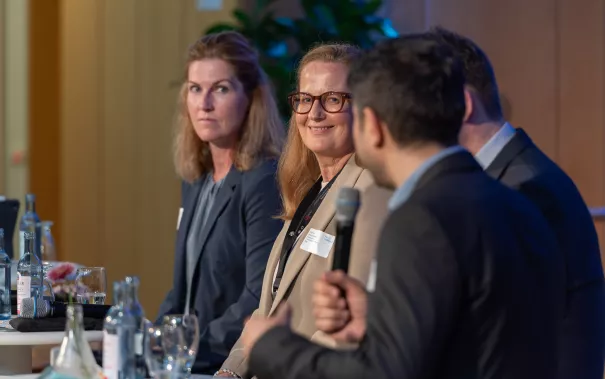
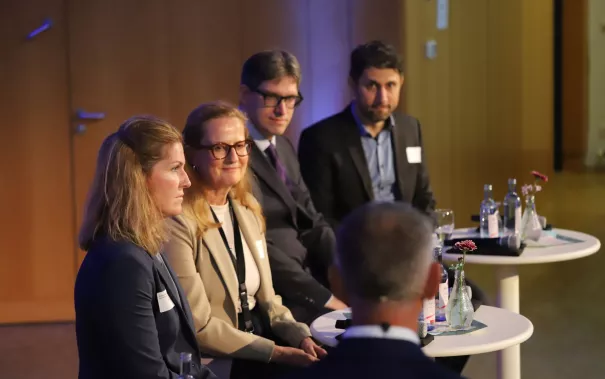
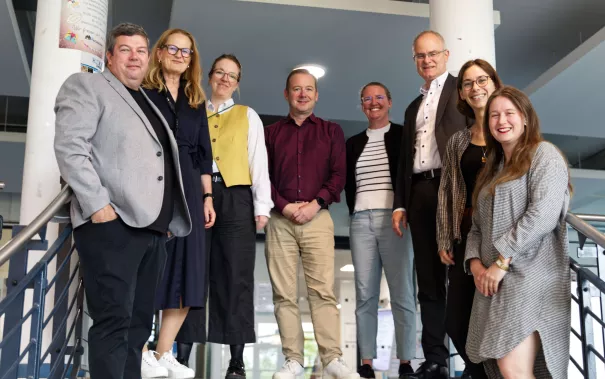
This was followed by the inaugural lectures given by the two newly appointed professors, Andreas Hackelöer and Javad Ghofrani, who examined the impact of AI in their respective fields of software engineering and robotics. During the subsequent panel discussion, the two professors, together with Susanne Arnoldy (PwC) and University President Marion Halfmann, discussed the future of artificial intelligence, the demands placed on university teaching, and the skills that graduates will need in the future. Focusing on the key question ‘AI: utopia or dystopia?’, the group, despite the uncertainty that such a rapidly evolving technology brings, took a predominantly positive view of the future, in which AI will become part of many processes but will not replace critical human understanding and judgement.
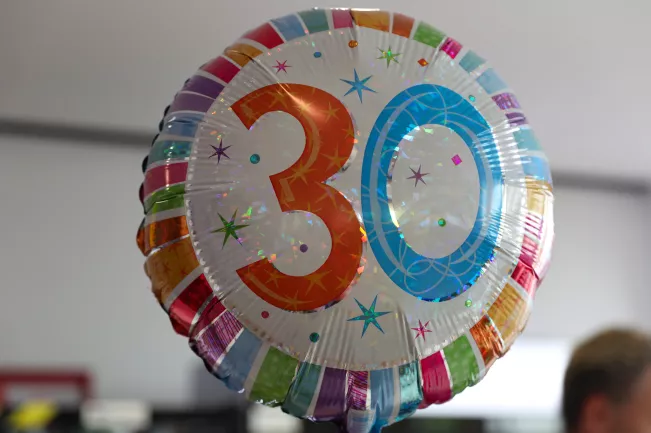
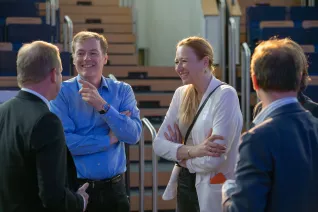
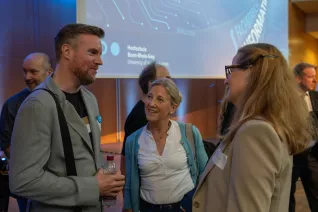
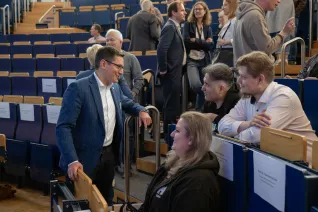
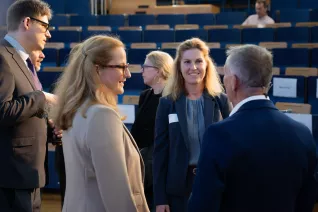
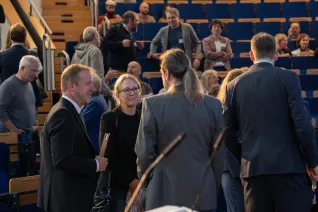
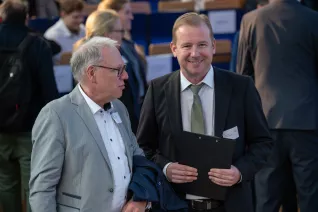
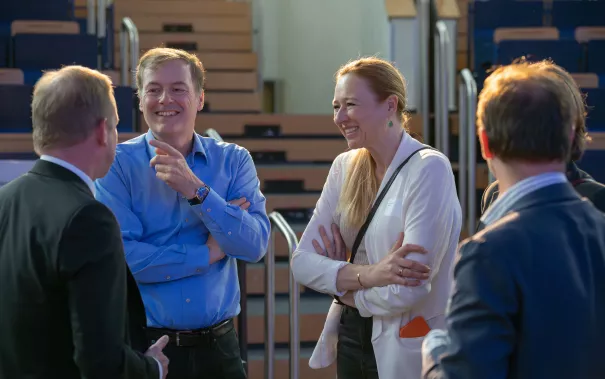
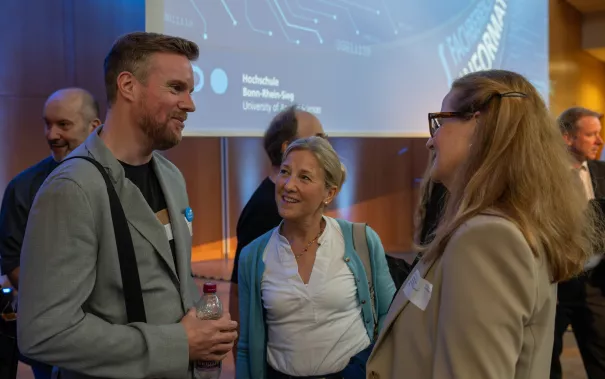
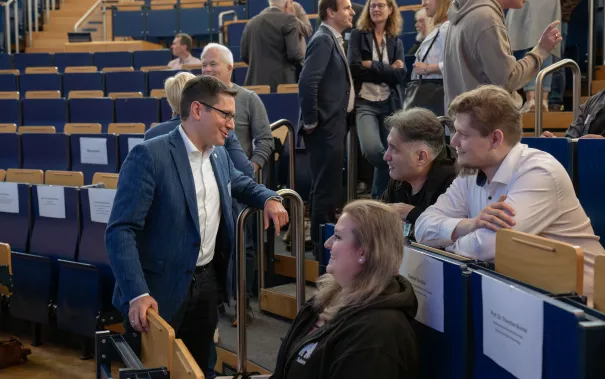
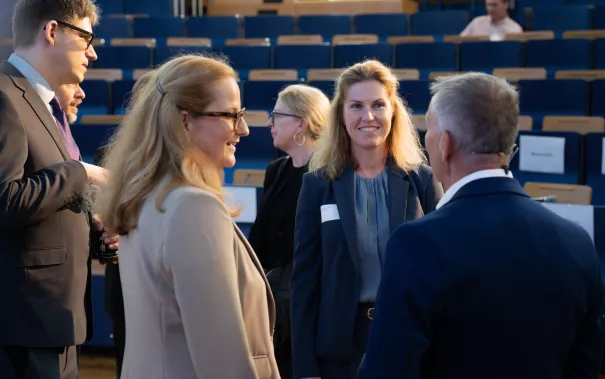
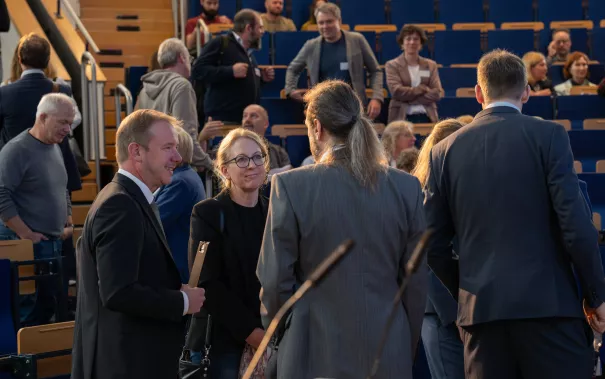
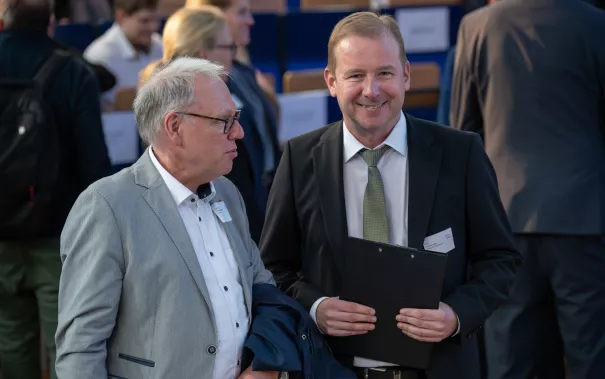
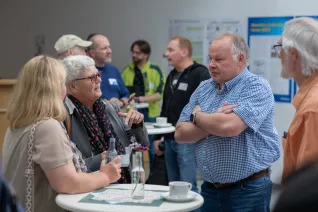
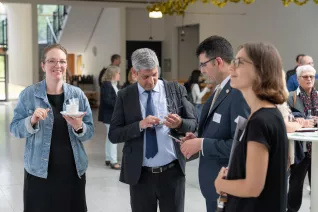
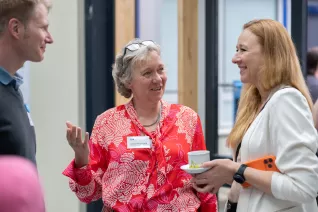
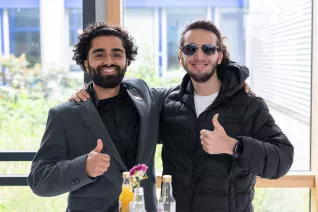
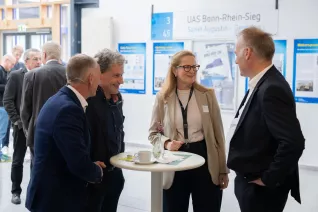
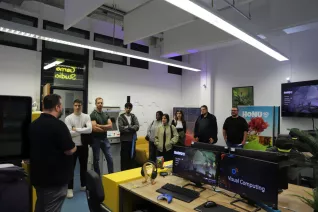
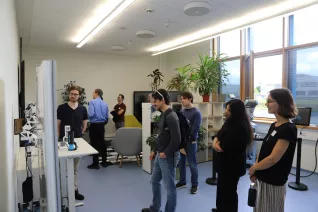
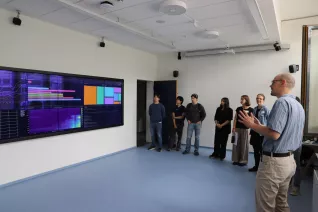
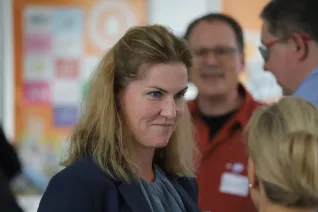
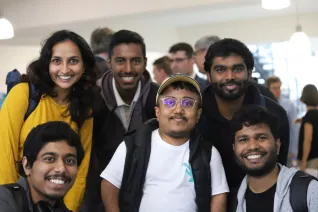
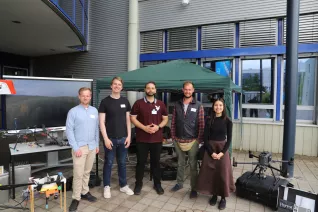
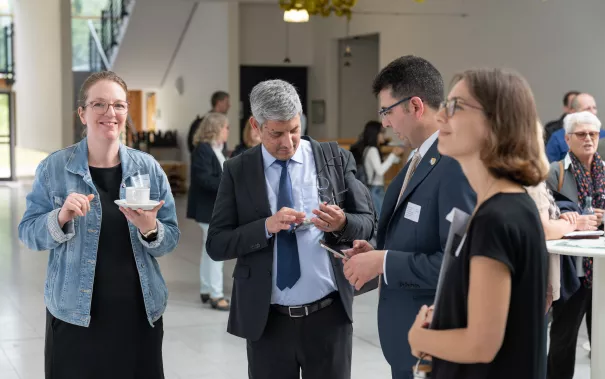
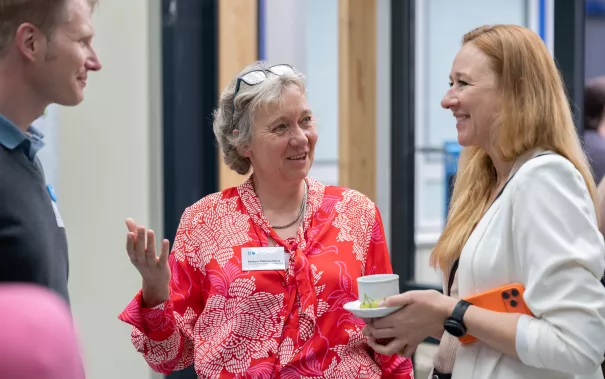
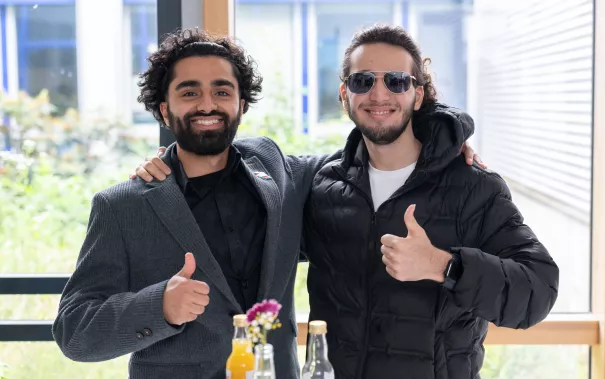
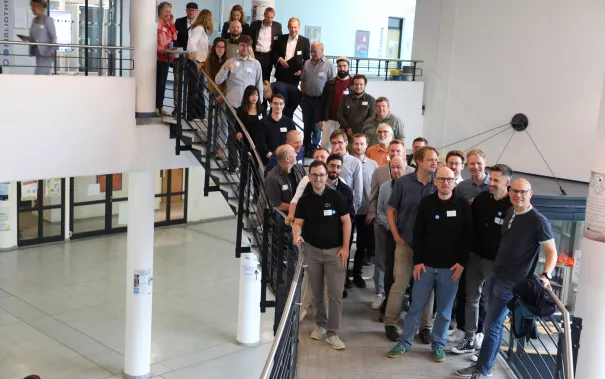
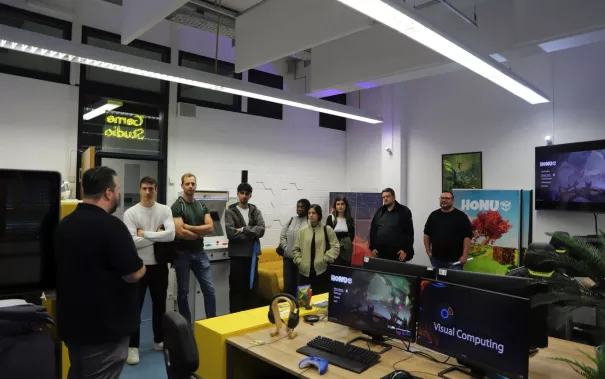
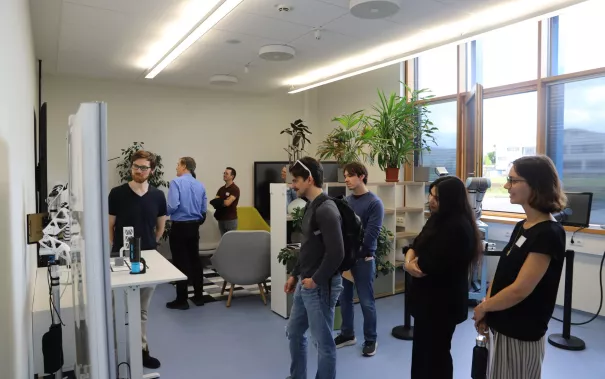
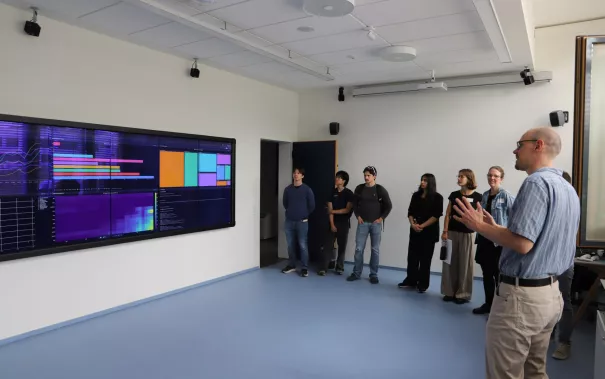
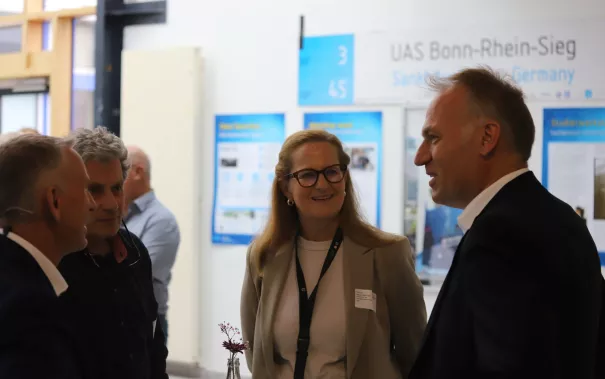
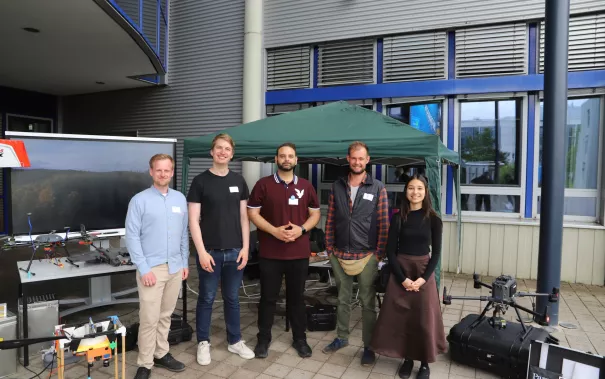
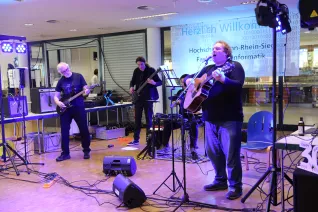
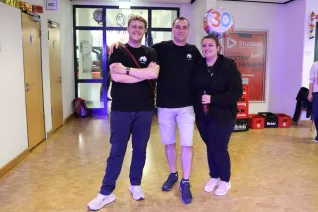
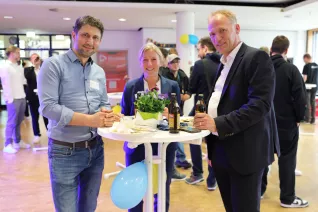
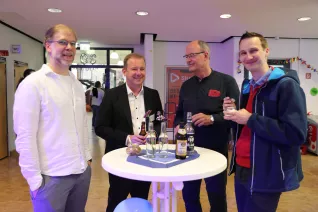
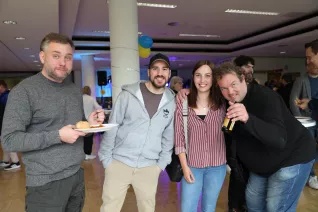
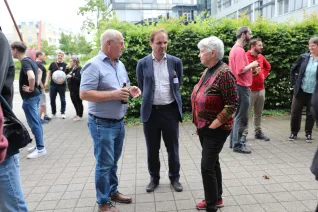
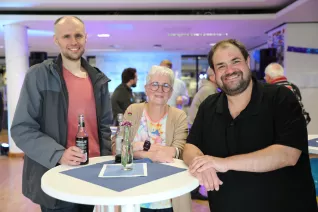
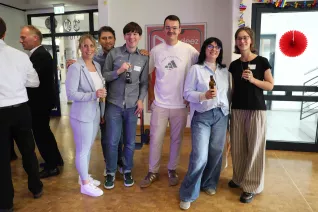
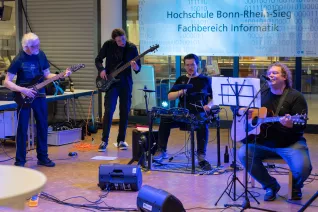
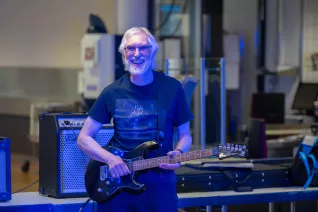
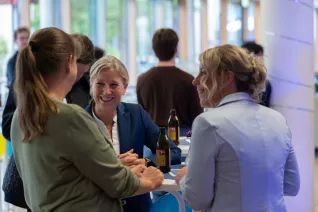
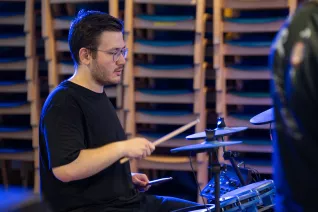
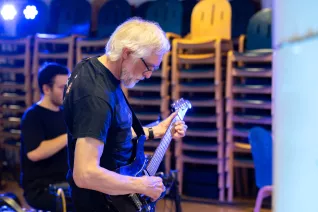
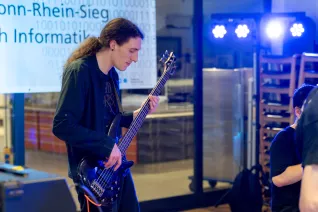
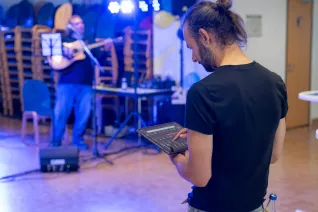
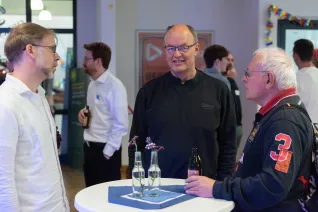
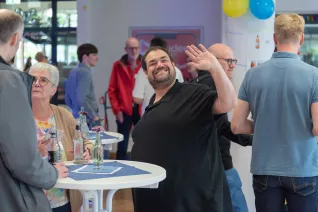
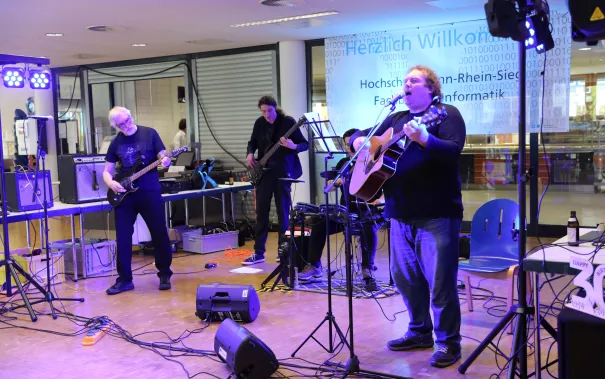
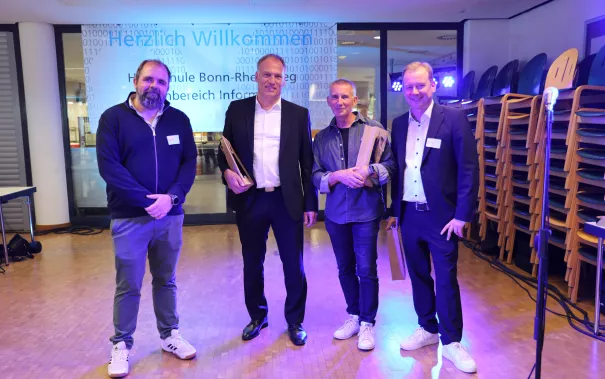
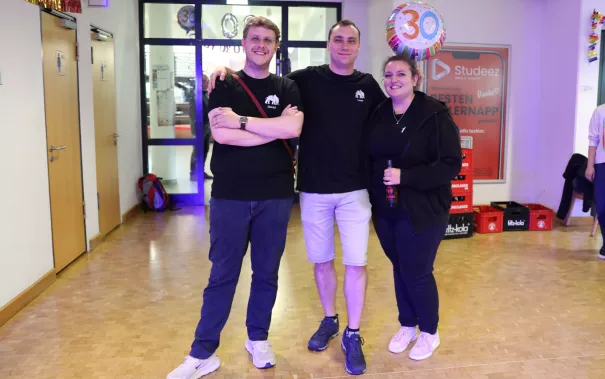
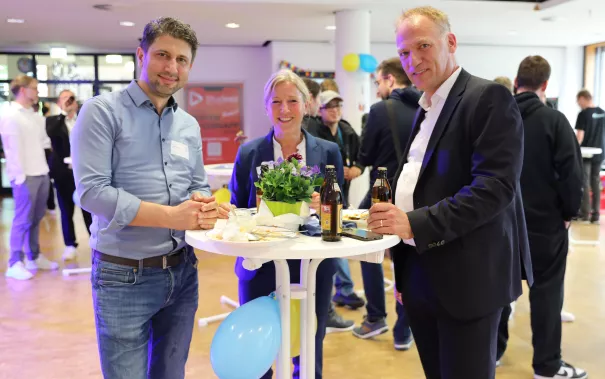
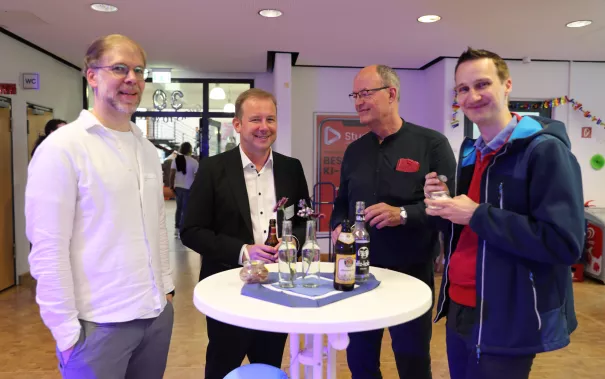
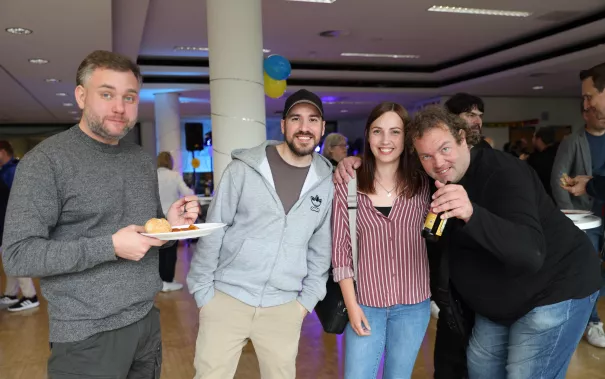
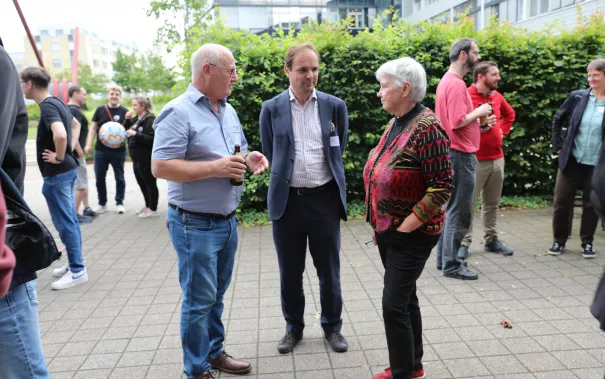
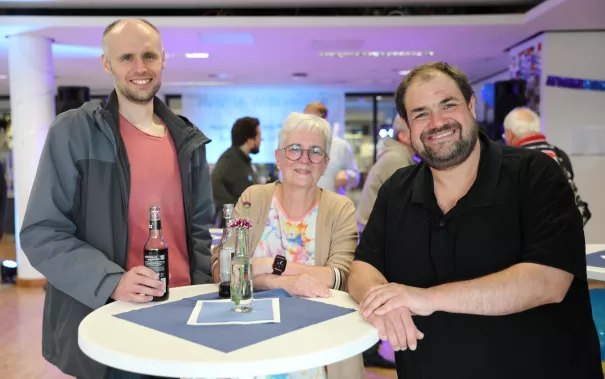
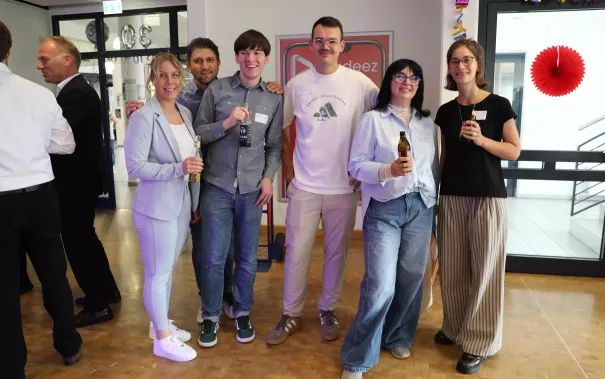
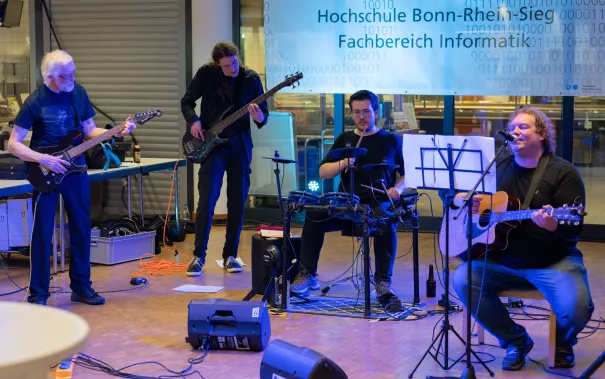
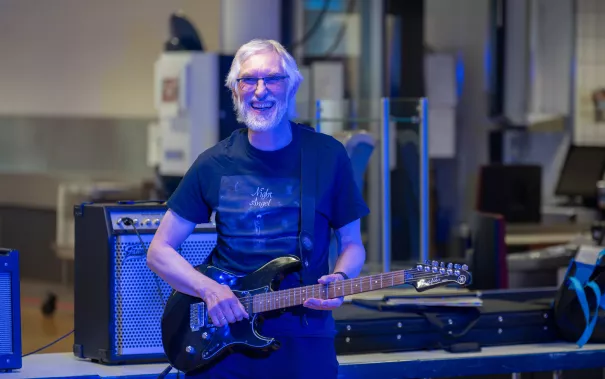
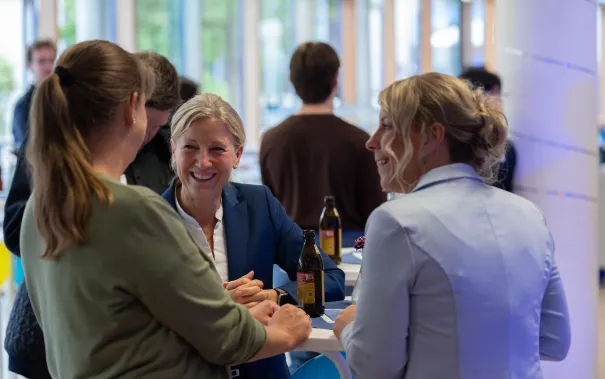
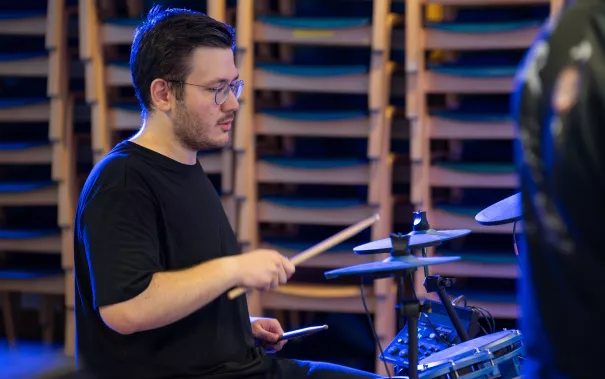
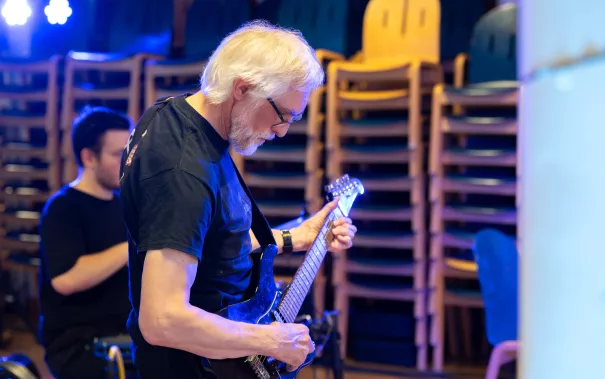
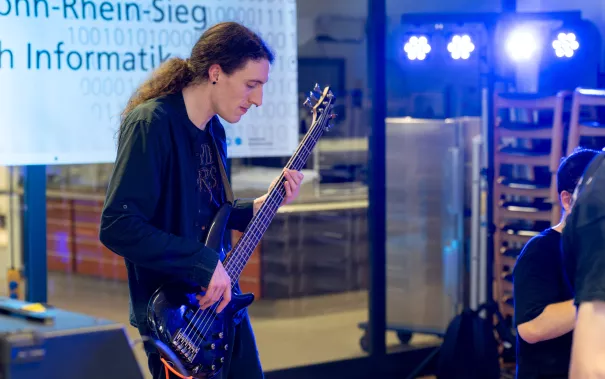
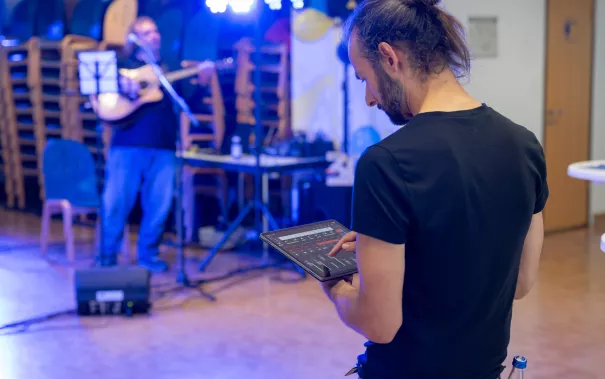
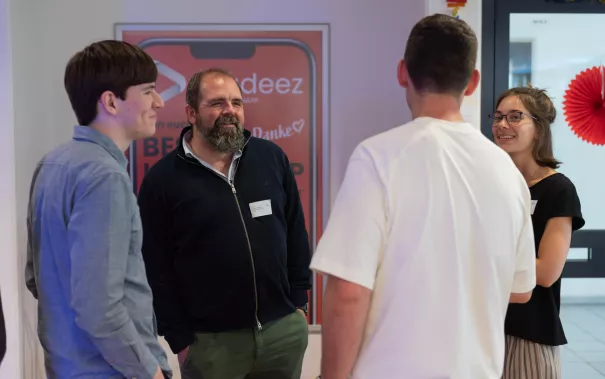
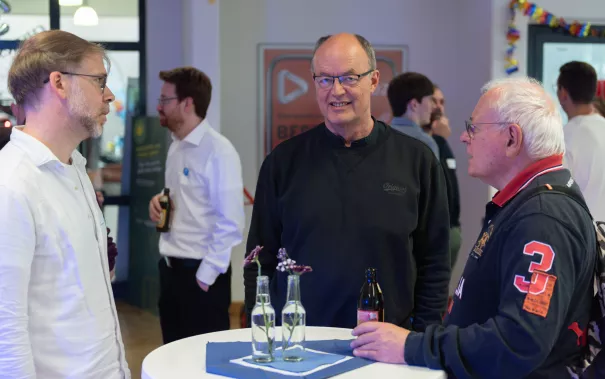
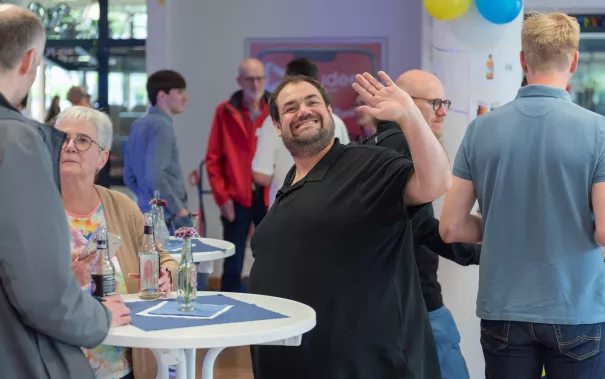
At the get-together that followed, guests had the opportunity to engage in more in-depth conversations and explore the computer science laboratories on guided tours. The festivities concluded with the summer party in the canteen, which provided a setting for socialising, reminiscing and making new contacts well into the evening. The evening drew to a successful close with a performance by the band Night Angel, whose music created a lively atmosphere.
The department would like to extend its special thanks to Cronn, whose sponsorship made this event possible.
Festakt
Come Together, Alumni, Labore
Sommerfest
Contact

Location
Sankt Augustin
Room
C 218 / Dean's office C 101
Address
Grantham-Allee 20
53757, Sankt Augustin