International Centre for Sustainable Development (IZNE)
Environmental laboratory
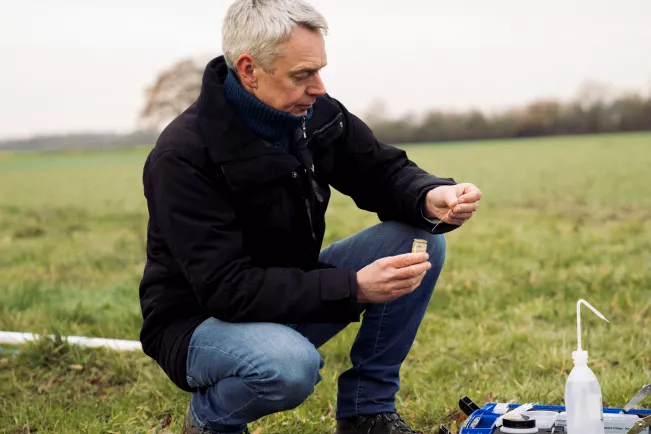
Soils - an underestimated climate factor
Soils are not just a habitat for soil organisms, a substrate for plant growth or a store of water and carbon. They have many other functions, such as filtering rainwater and buffering or binding pollutants. Soils form the basis of settlements and roads and are an archive of natural history. Our soils are essential in all areas of life and form the basis of our nutrition.
A lot of information is already available about agricultural land. The ecosystem services of private and public green spaces have not been fully analysed. However, areas such as home gardens make up a large part of the urban landscape. With the support of citizens, schools and green space authorities, it is possible to better understand and protect soils.
The three laboratories
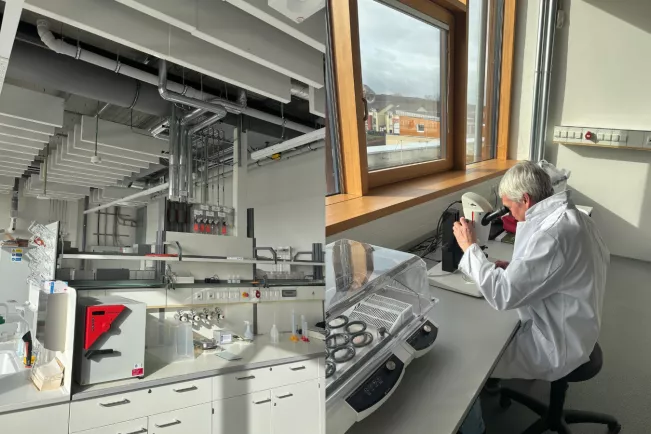
Environmental Laboratory
In the laboratory, water and soil samples are prepared and analysed. This includes microscopic examinations of soil organisms and wet chemical extractions of nutrients and pollutants. The laboratory is used for a variety of purposes – including student practicals, research carried out by research staff, and public workshops.
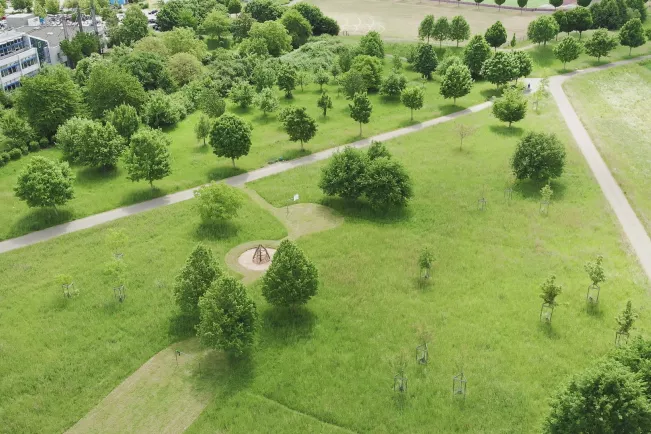
The EcoTwin project’s "real-world laboratory" in Sankt Augustin
As part of the EcoTwin project, environmental data is being collected from selected public green spaces in Bonn and the Rhein-Sieg district and analysed using a digital twin. Based on this data, recommendations for sustainable land use are being developed. The project is aimed at the parks and leisure departments of cities and local authorities, as well as interested members of the public.
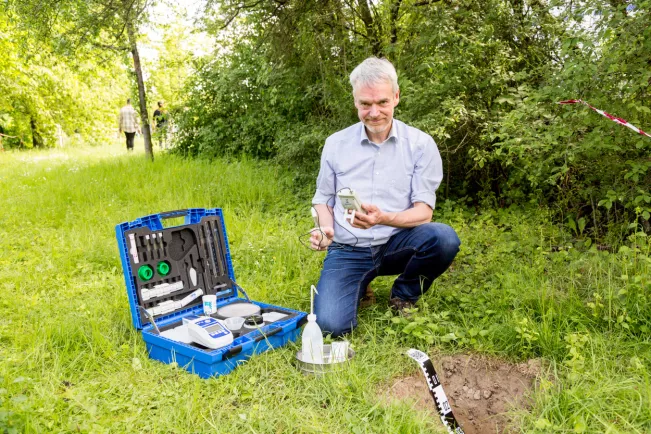
The mobile laboratory
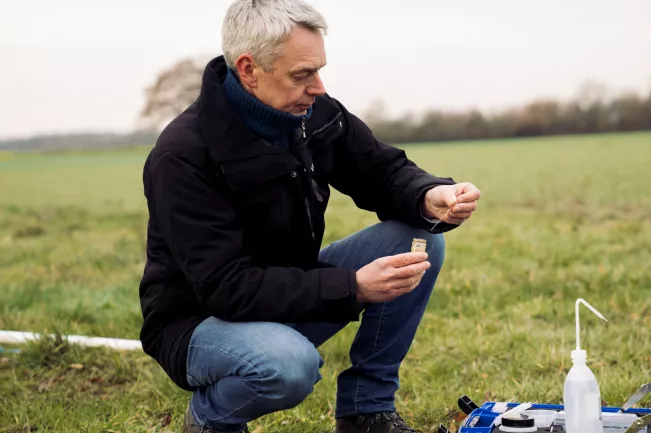
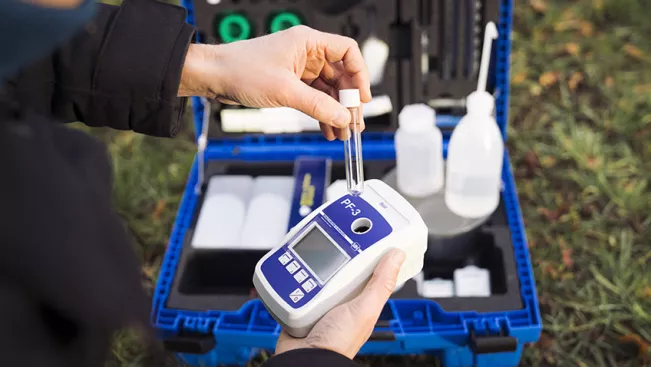
The mobile laboratory enables soil samples to be taken in the field and chemical and physical parameters to be measured in order to assess soil health. It is used in practical sessions for students, in research projects by academic staff, and in community workshops.
Gardening for environmental protection
Under the motto "Gardening for environmental protection", we provide clearly presented information and tips for citizens in the Bonn/Rhine-Sieg region to experiment with in their own gardens.
DIY workshops
The do-it-yourself workshops focus on garden soil as a useful climate protector. The materials offered online cover the topics of soil fertility, water balance, climate change and biodiversity. All experiments can be carried out with household items.
The various workshops consist of an information sheet on the theory of the respective topic and an activity booklet with instructions for practical experiments that can be carried out on soil samples from your own garden.
Healthy garden - improving soil fertility
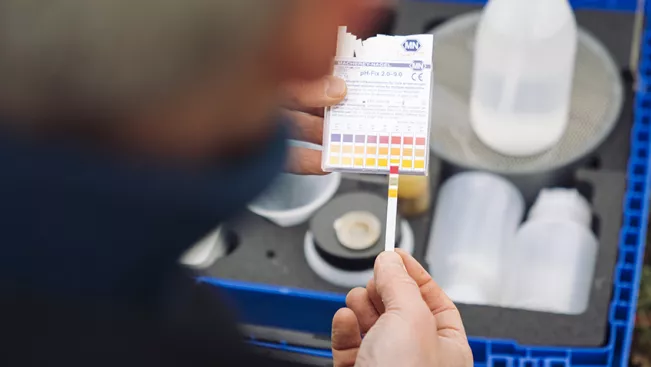
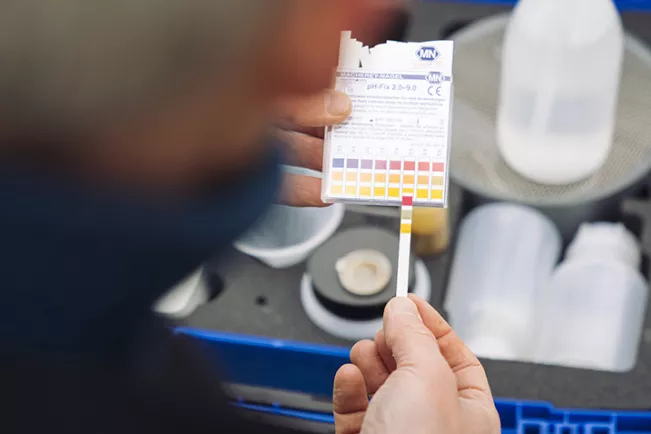
What makes a fertile and healthy soil? What properties and conditions play a role in this and how can they be influenced? You can determine the fertility of your soil using parameters that are easy to determine, such as pH value, grain size composition (soil type) or nutrient storage capacity.
Note: Contents only available in German:
Theory on the topic of improving soil fertility
Video on the topic of improving soil fertility
Healthy garden - optimal water balance
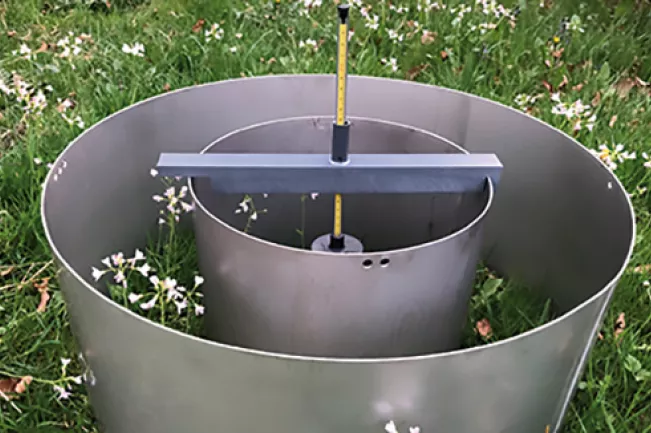
Every soil has specific properties, such as grain size composition and density, which significantly influence the water balance.
We use simple experiments and measurement methods (for example, water absorption and storage capacity) to show you how different soils behave. We present experiments that can be carried out at home. You will receive valuable tips on how you can positively influence the water balance of your soil.
Note: Contents only available in German:
Theory on the topic of optimal water balance
Biodiversity - at eye level with the earthworm
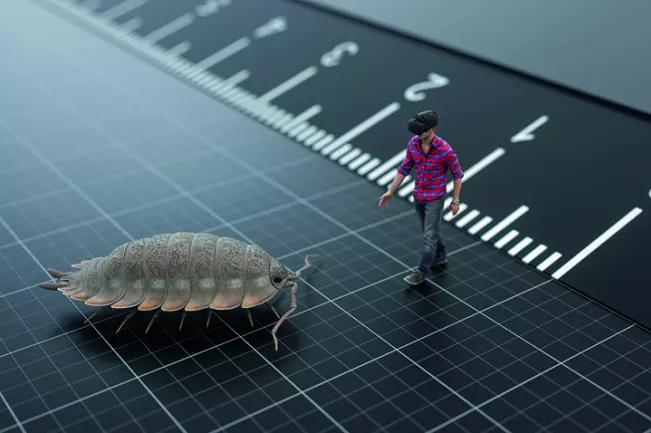
Biodiversity in the soil is closely linked to soil fertility and biodiversity in the garden. In this workshop, we will look at life below ground and what influence soil life has on the plants and animals above ground.
Simple experiments to determine soil life will be presented and can be carried out in your own garden. For example, the Tea Bag Index method, the central experiment of our cooperation partner "Expedition Erdreich", is used to determine the decomposition rate in the soil. Together, we build a Berlese unit from a PET bottle and light bulb to visualise the soil organisms
Note: Contents only available in German:
Theory on the topic of biodiversity
Video on the topic of biodiversity
Humus and climate protection
Next to the oceans, soil is the second largest carbon store. In recent decades, however, the soil's ability to store carbon has decreased due to changes in land use, such as deforestation, peat extraction and resource-damaging land use. The soil stores large amounts of carbon in the form of humus.
This ability can be influenced by taking appropriate measures. In this workshop, we will look at how this could work in your garden. We will examine soils using a "spade sample" and determine the humus content of your soil samples using a colour chart. We will also discuss various ways to increase the humus content in the soil.
Note: Contents only available in German:
Theory on the topic of humus and climate protection
Videos on the topic
Further information on the project and how to take soil samples correctly can be found on the Bonn-Rhine-Sieg University of Applied Sciences YouTube channel:
Note: Contents only available in German.
Gardening for environmental protection - project presentation
Gardening for environmental protection - How do I sample my garden?
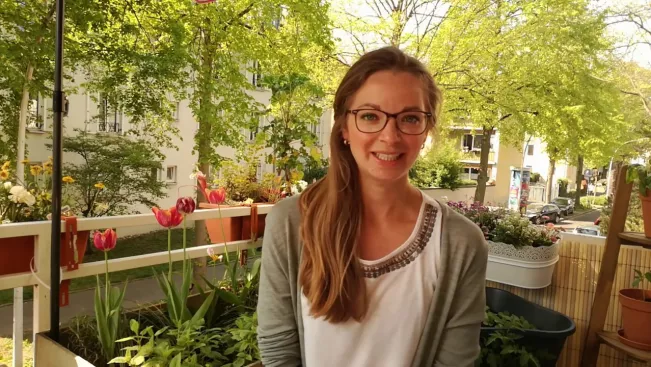
Gardening for environmental protection - WDR-Lokalzeit report
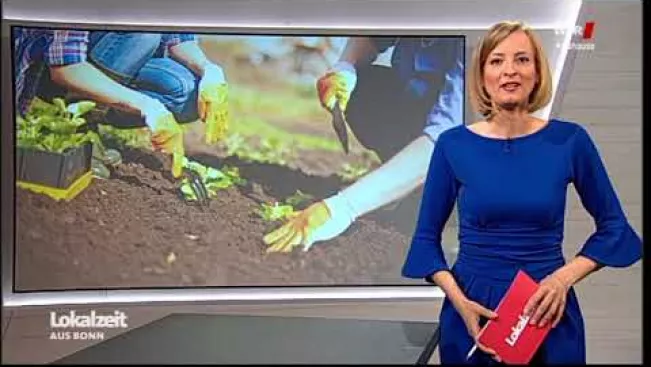
Expedition soil - Report WDR-Lokalzeit
Soil condition in the Bonn-Rhein-Sieg region - Interview WDR-Lokalzeit
Experiments for at home
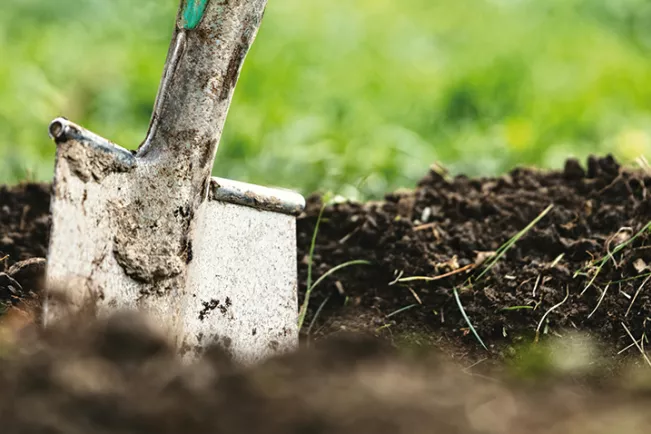
Would you like to learn more about your own garden and the nature of your soil? We have designed do-it-yourself experiments for you that you can easily carry out at home with our materials.
Discover soil organisms
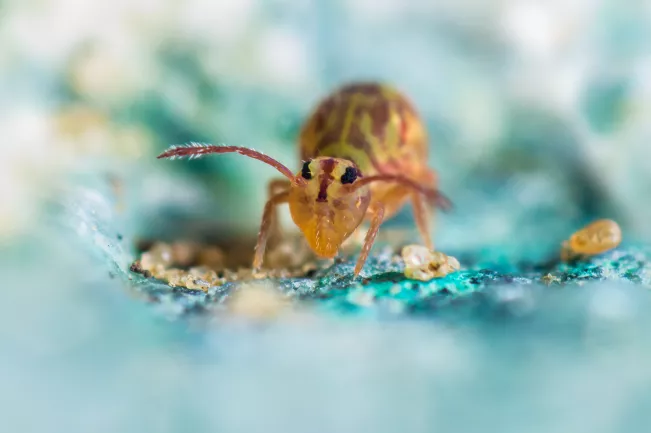
There is more life in one kilogramme of soil than there are people on earth. The composition of soil organisms is influenced by numerous factors. Vegetation, soil type, pH value and the quantity and quality of organic matter all play an important role. This experiment shows which creatures can be found in your own garden.
Just get your fingers dirty
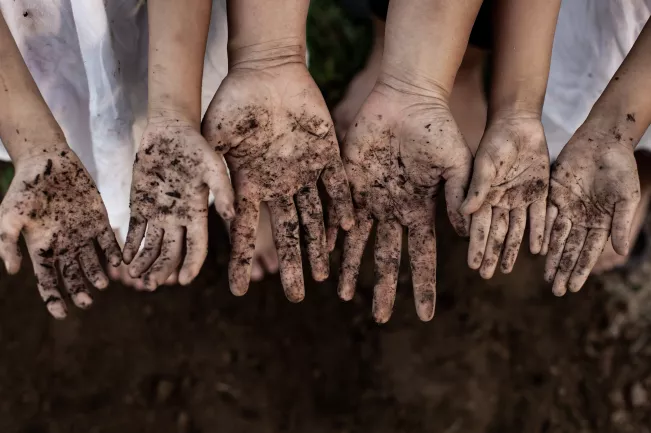
The finger test is used to determine the type of soil. To do this, roll a bit of damp soil between your hands and rub it. This allows you to find out whether the grains are large or small, sticky or crumbly. This tells you how well the soil can store water and nutrients.
Sour doesn't always make you happy
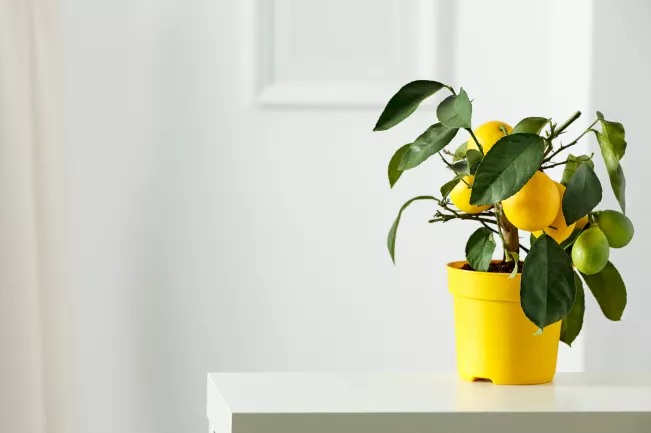
The pH value of the soil is important for the growth and development of all living organisms. Some plants can only thrive in places where a certain pH value is present in the soil. The decomposition process of organic material or dead plant parts is also influenced by the pH value.
Do you still have questions?

Martin Hamer
Professor for soils and biomass, Director of the International Centre for Sustainable Development (IZNE), Department of Applied Natural Sciences
Research fields
Location
Sankt Augustin
Room
F 311
Address
Grantham-Allee 20
53757, Sankt Augustin
Telephone
+49 2241 865 774Links to
Further links