Department of Natural Sciences
UniStem Day 2026 at H-BRS: School pupils delve into stem cell research
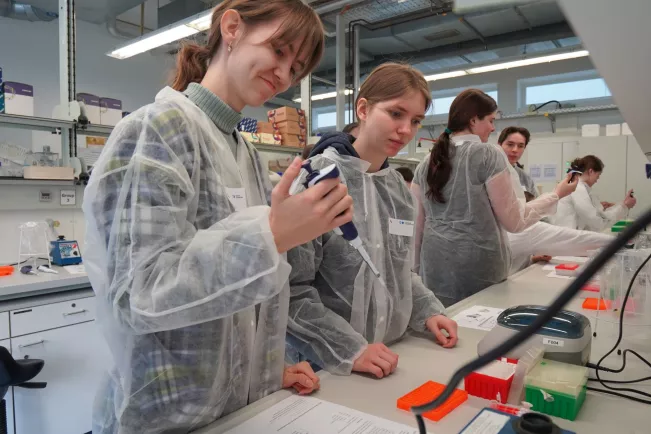
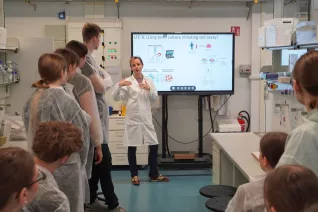
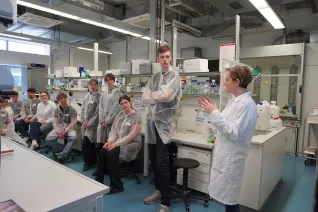
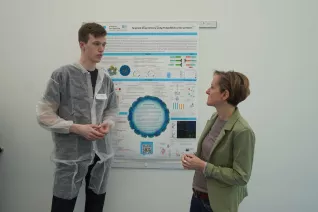
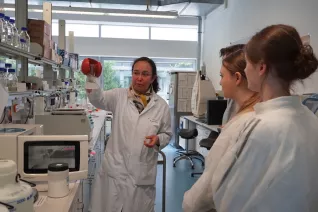
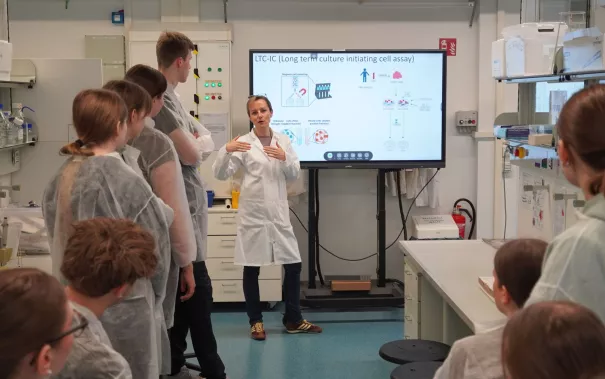
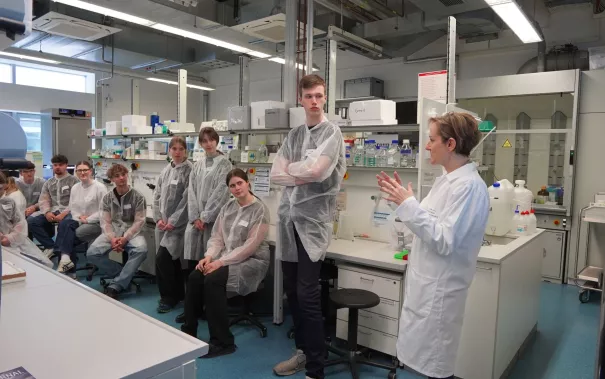
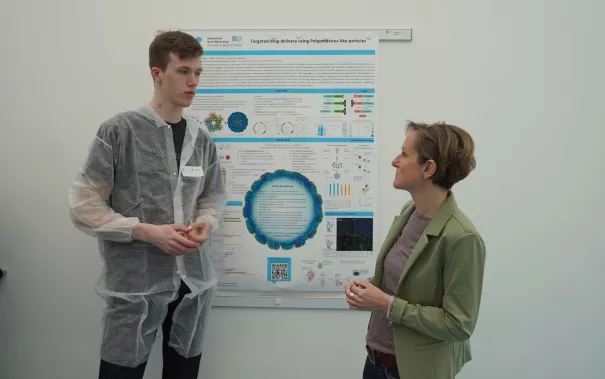
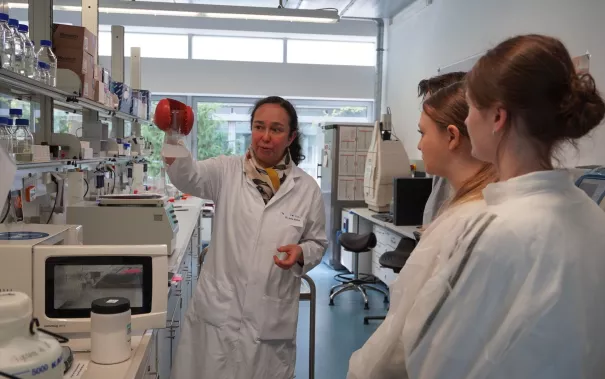
It quickly became clear that Professor Mirle Schemionek and her colleagues in the department had invited a group of very interested and thoroughly knowledgeable guests into their laboratories. The sixth-form students brought a fair amount of prior knowledge about stem cells with them and had many technical questions, such as the turnaround time for COVID-19 tests, how mature cells can be derived from stem cells, or how these cells can be used to investigate whether a therapy is effective on stem cells.
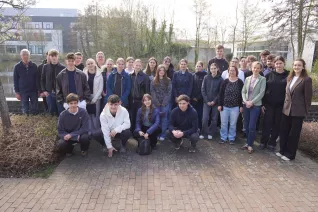
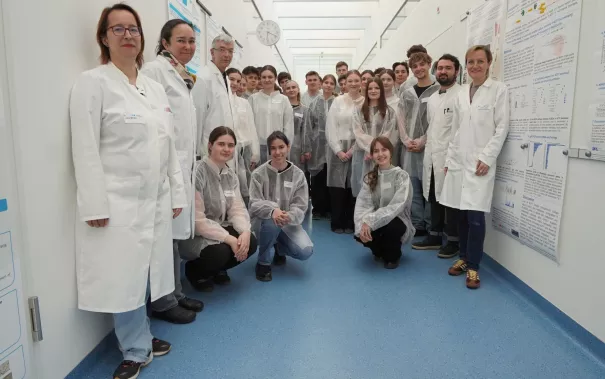
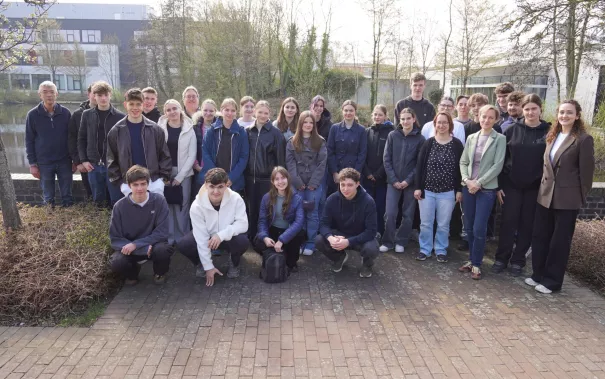
Around 35 pupils had registered for UniStem Day at the H-BRS. The event was intended for pupils taking advanced biology courses. The Europaschule Bornheim and the Gesamtschule Hennef Meiersheide each sent a class, and four pupils came from the Sankt-Joseph-Gymnasium Rheinbach.
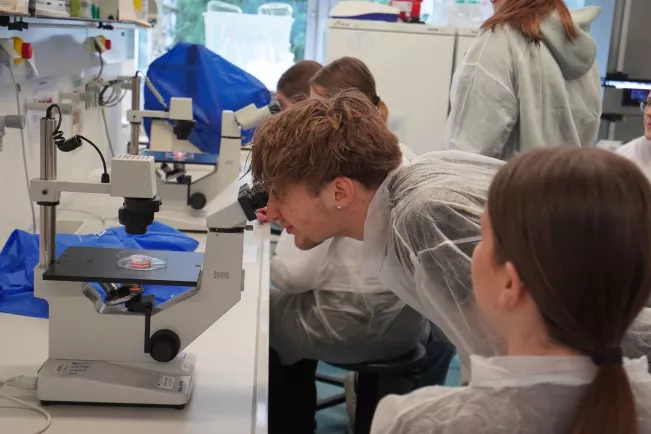
For the Department of Applied Natural Sciences, based in Rheinbach, this was not the first time it had opened its laboratories to school pupils as part of the global Education Day. The event was hosted by Professor Mirle Schemionek, who had organised the laboratory day together with department staff members Dr Julia Holtel and Julia Weder, as well as Dr Andreas Ehlich. New this year was that the university was able to include the event as a contribution to the current Year of Science, ‘Medicine of the Future’.
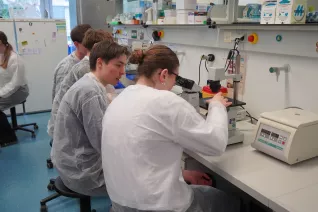
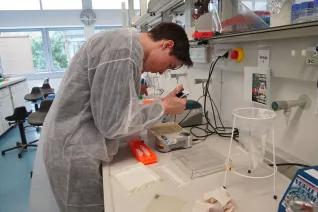
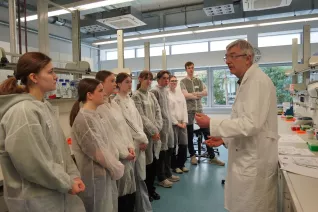
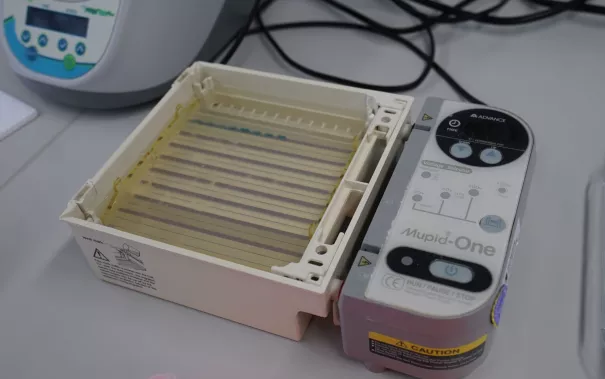
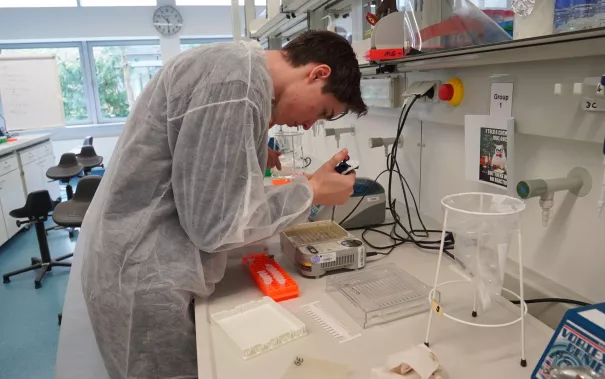
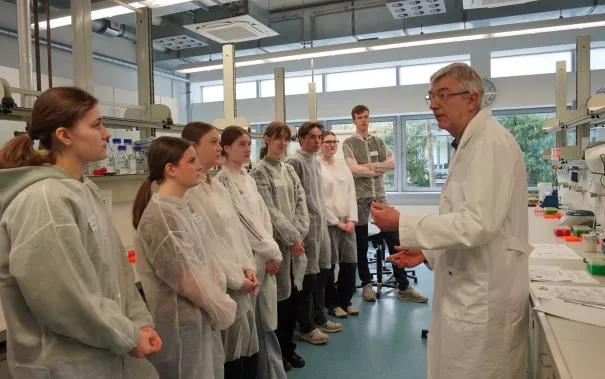
Although the morning was devoted to practical laboratory work, it was not entirely without theory. Before the students got to work at the microscopes, Professor Schemionek outlined some key fundamentals of stem cell research. She also gave the pupils the guiding questions for the subsequent laboratory work: “Why are stem cells important for medicine and research?” and “What happens when stem cells go off the rails, i.e. become malignant stem cells?”. The latter is something of a pet subject for Professor Schemionek, whose research focuses intensively on the resistance of stem cells to treatment in malignant diseases of the blood and lymphatic system. At the university, she works at the Institute for Functional Gene Analytics.
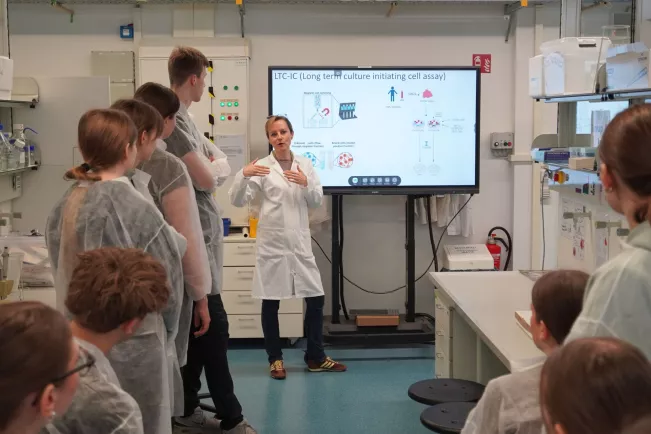
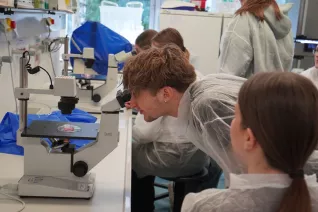
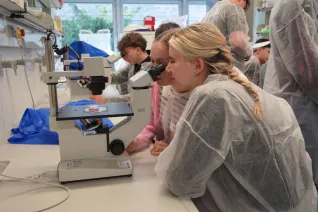
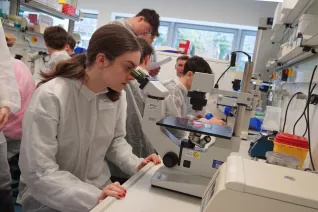
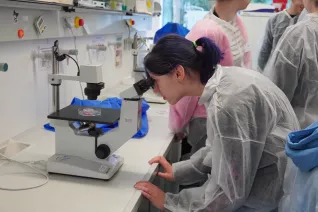
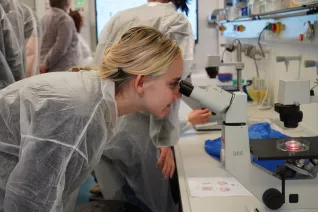
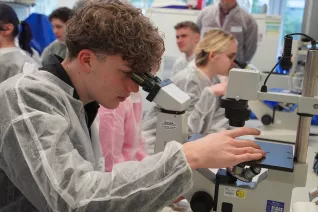
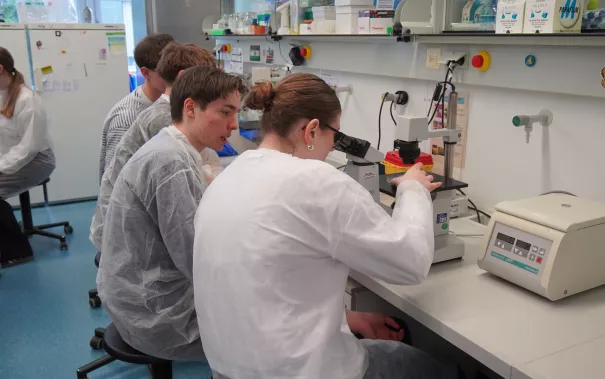
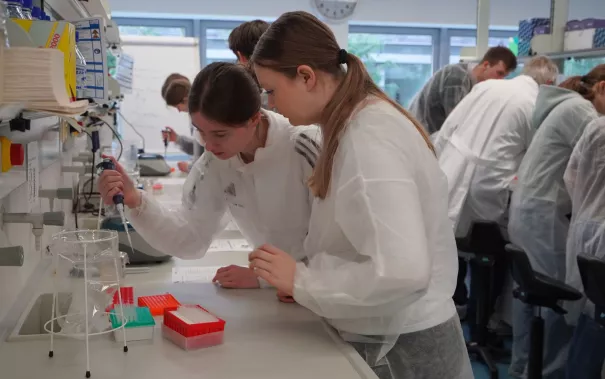
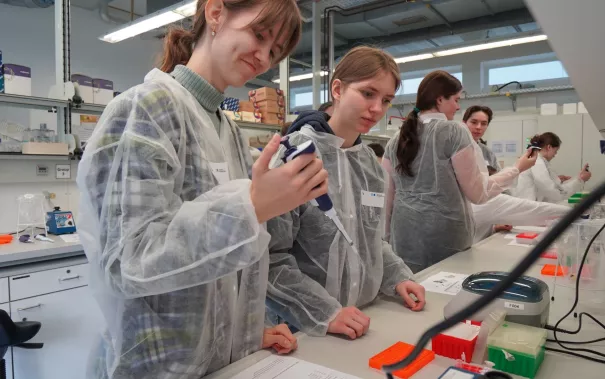
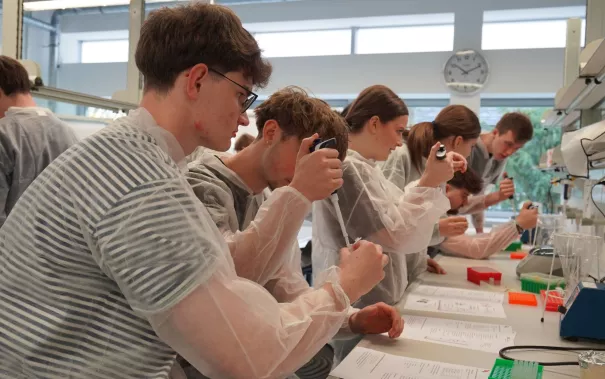
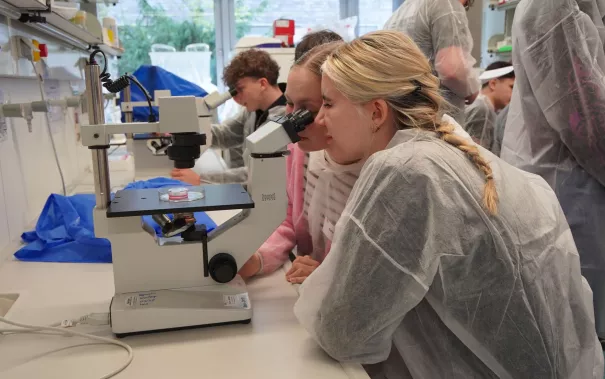
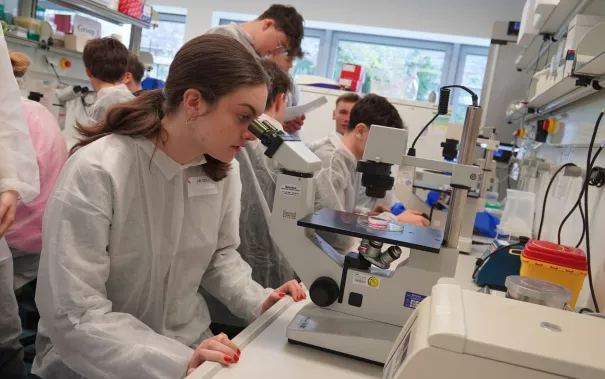
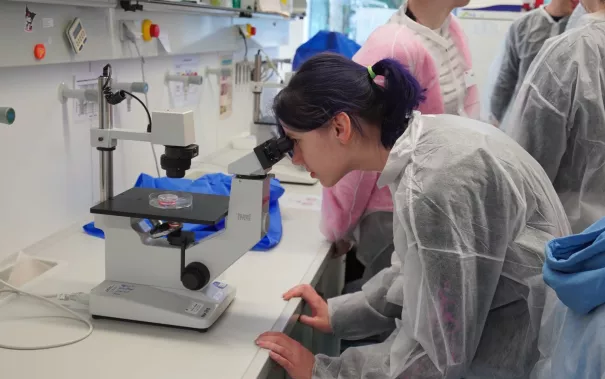
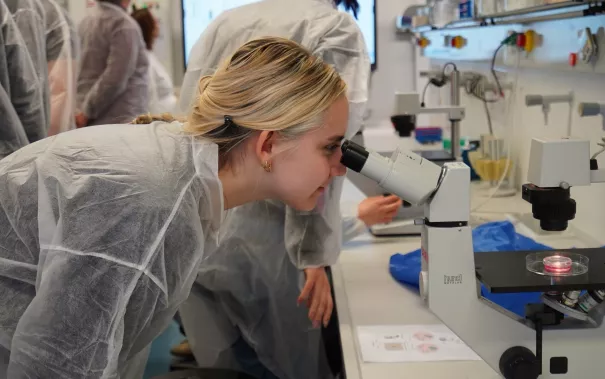
Having been given this theoretical introduction, the young people set about investigating malignant haematopoietic cells – that is, blood cells responsible for the development of cancer
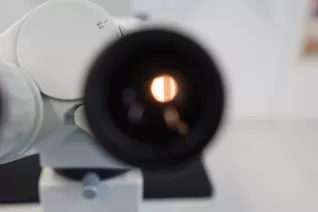
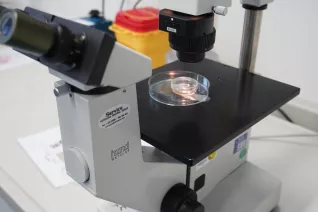
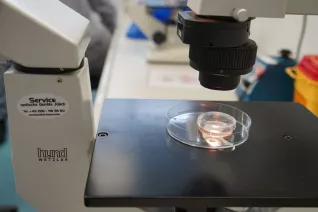
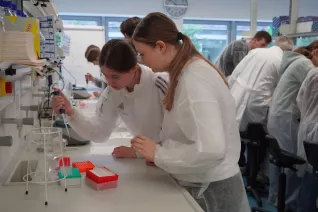
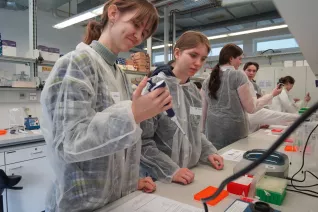
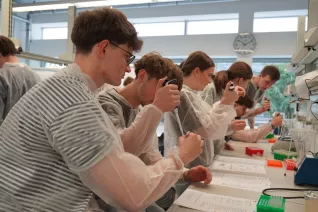
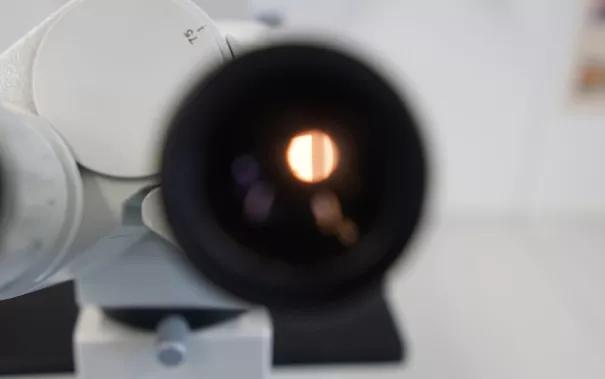
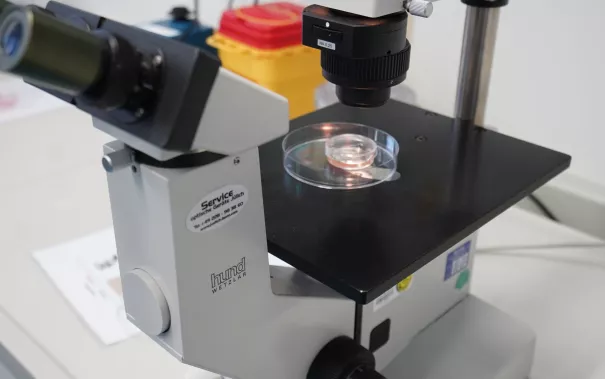
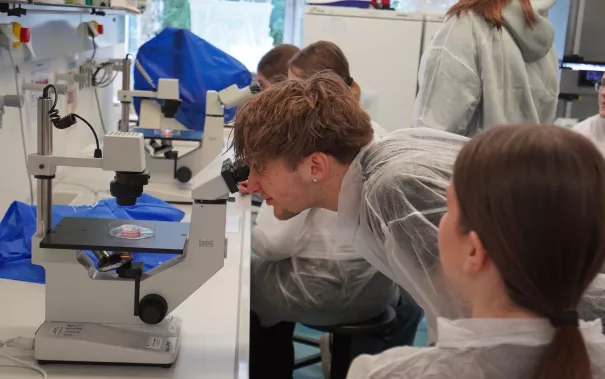
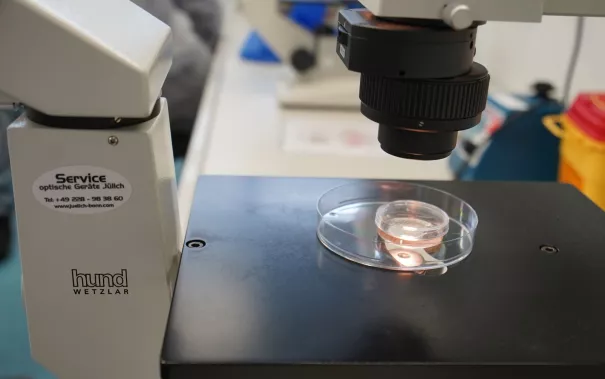
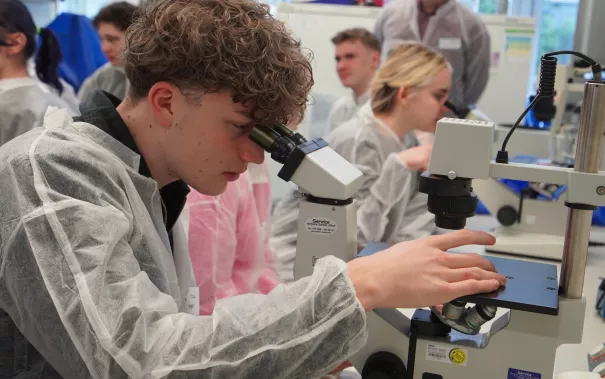
Having been given this theoretical background, the young people set about examining malignant haematopoietic cells – that is, blood cells responsible for the development of cancer in the body. Using a microscope, they examined various samples of cellular material. One of the samples had undergone treatment beforehand, the other had not. The conclusion: the treatment had clearly been effective, as the treated cells did not form colonies. The progression of the disease had been halted.
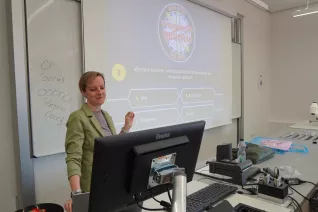
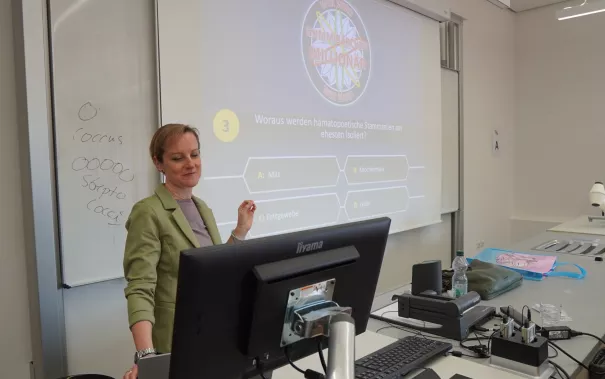
At the end of the morning, there were more questions, but this time in an entertaining format. And there was also a prize to be won. In a quiz in the style of ‘Who Wants to Be a Millionaire?’, Professor Schemionek took on the role of quizmaster and tested the students on what they had learnt. The prize: plenty of gummy bears. All participants also received a certificate at the end for successfully completing their morning in the laboratory.
UniStem Day is a global educational event. The H-BRS has been taking part in UniStem Day regularly for over ten years.
UniStem Day2026 an der H-BRS: Schülerinnen und Schüler lernen Stammzellforschung kennen
Kontakt

Mirle Schemionek-Reinders
Professor in Biology, particularly Molecular Diagnostics and Epigenetics
Location
Location
Rheinbach
Room
I 223
Address
Von-Liebig-Straße 20
53359 Rheinbach