Communications and Marketing | Alumni Office
"Be patient, brave and stubborn" - Career advice from international alumni
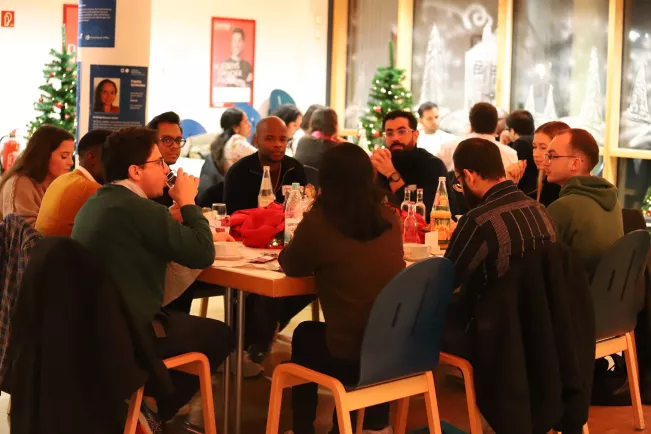
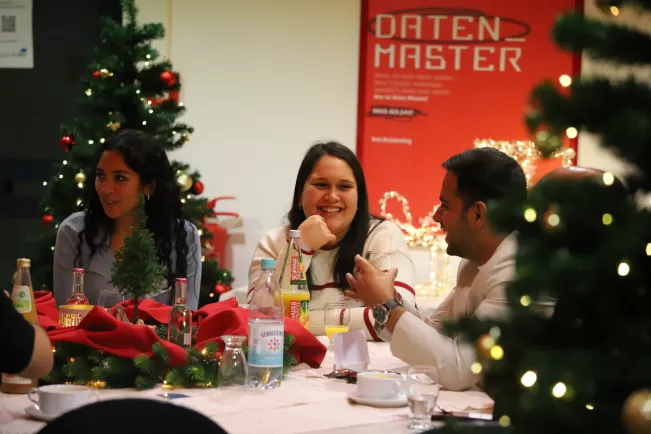
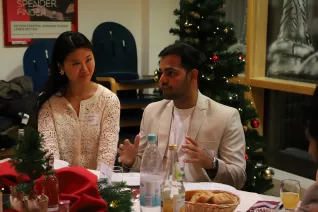
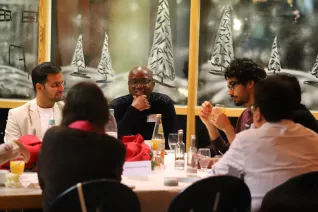
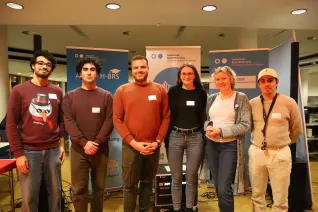
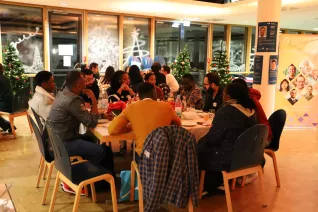
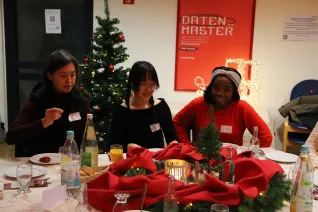
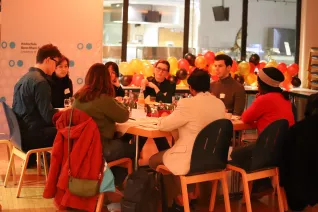
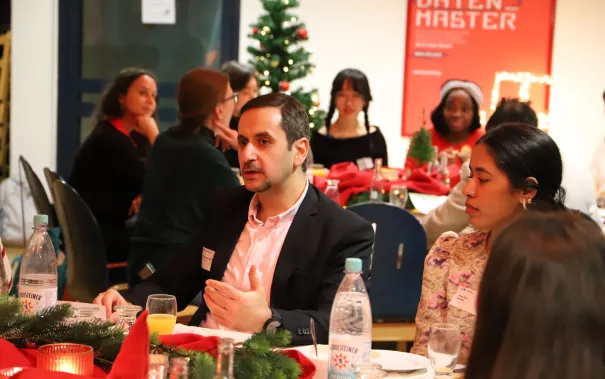
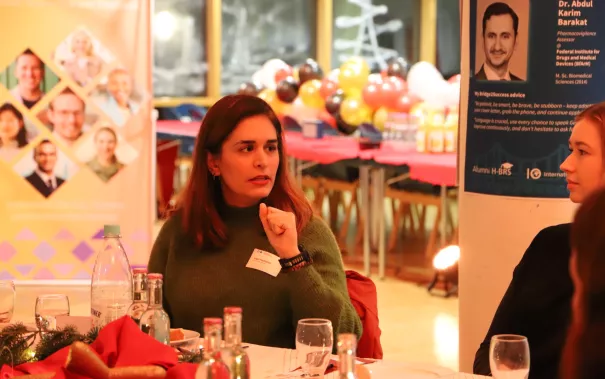
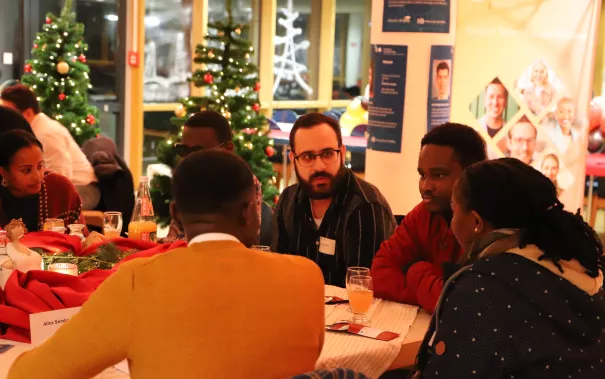
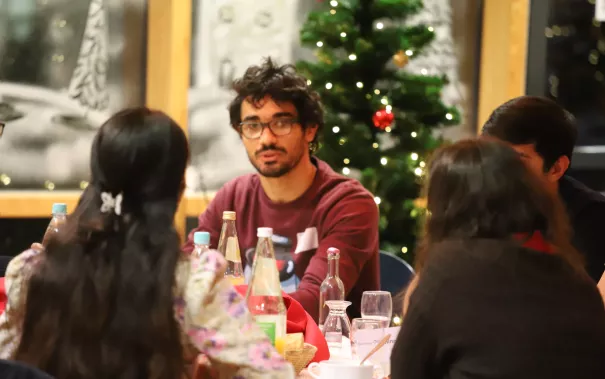
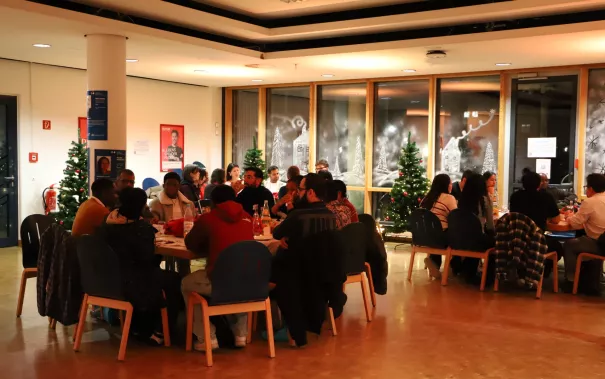
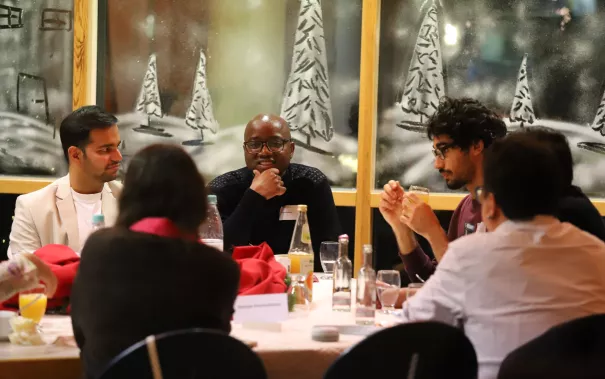
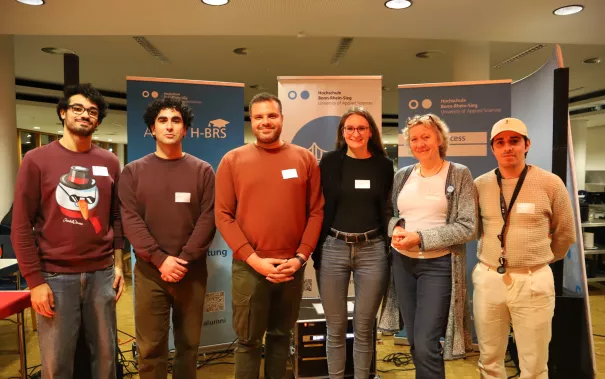
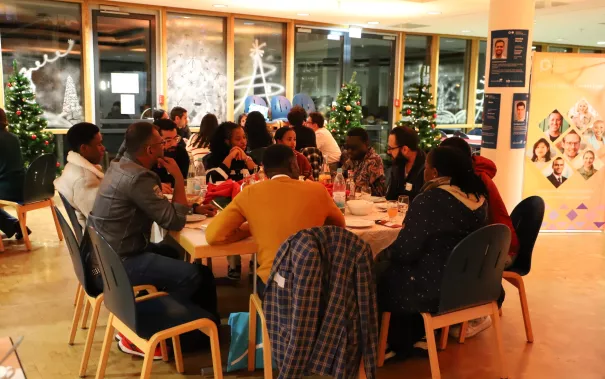
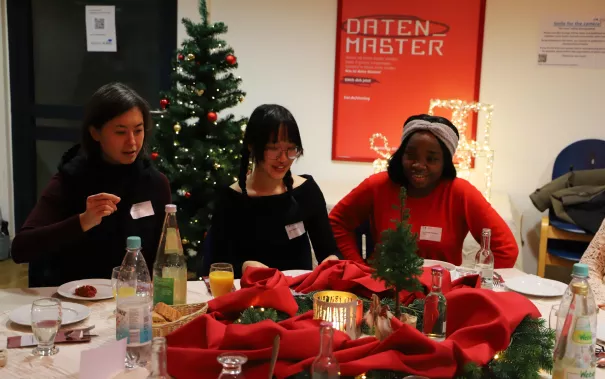
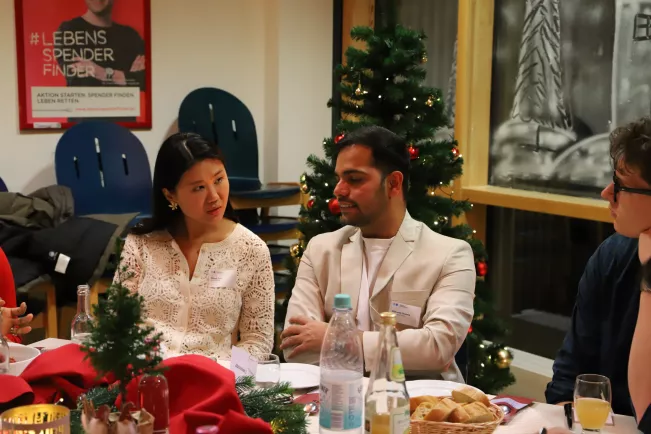
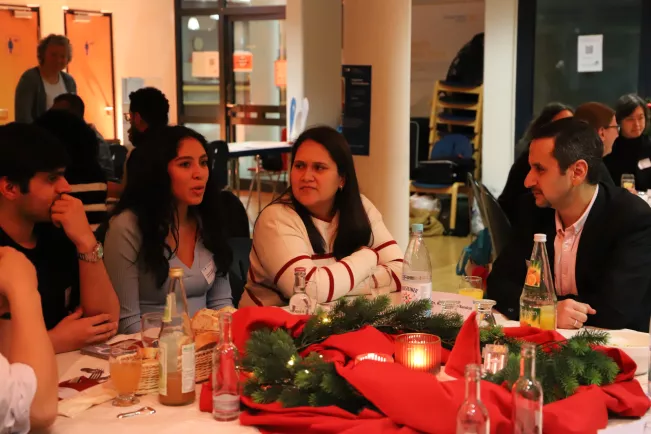
Last Monday, alumni of H-BRS passionately shared their experiences of studying and working in Germany with international students. Like the students, the alumni had come to Germany years ago to study at H-BRS, successfully completed their studies, and established themselves in the German job market. They had a lot to say about jobs during their studies, successful networking, a helpful mindset for the job, and important skills and competencies. (Scroll down to read more.)
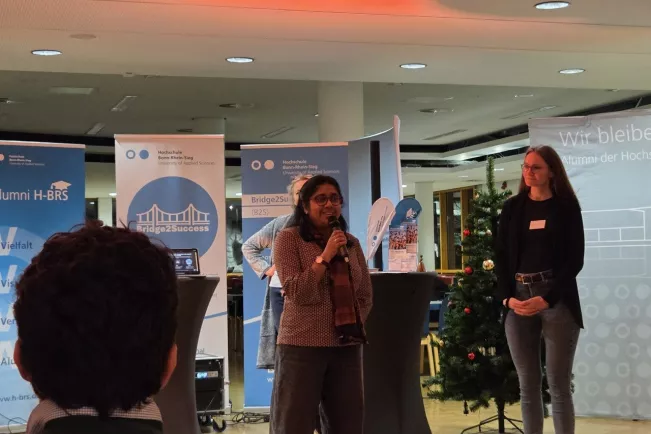
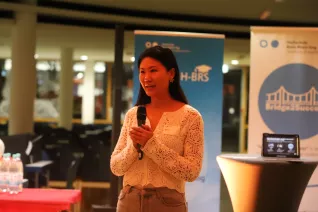
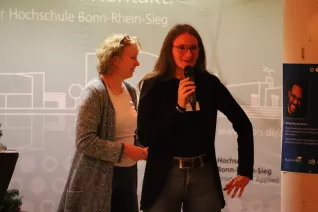
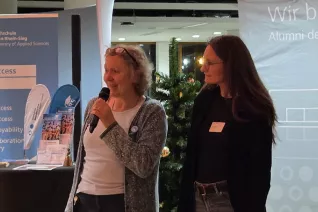
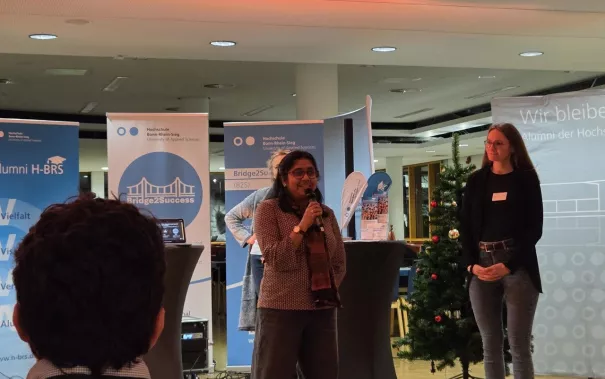
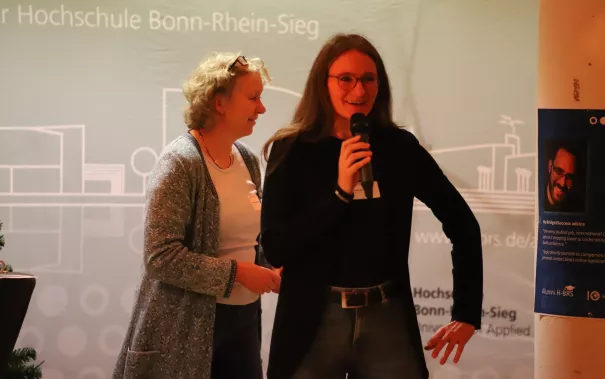
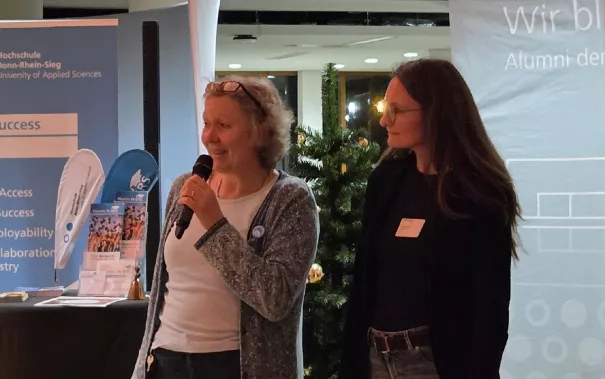
Teena Hassan, Vice President International Affairs and Digital Transformation, was impressed by the alumni's commitment and spoke about herself as an alumna and role model: she completed her master's degree in Autonomous Systems at H-BRS more than ten years ago. After her PhD and professional experience in industry, she returned to H-BRS as a professor a few years ago. Since March 2025, she has held a position of particular responsibility at the university as Vice President. Her career is an inspiration for what international students can achieve in Germany.
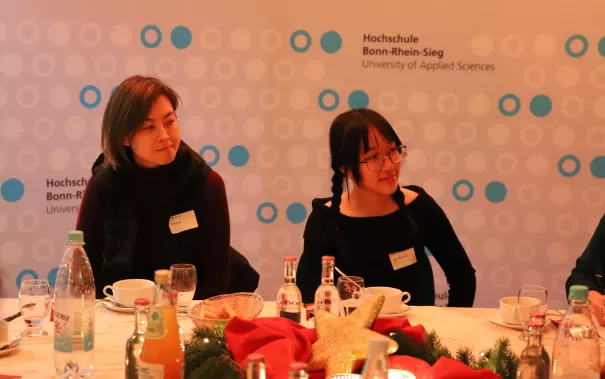
Mandy Sun and Vanessa Lourenço from Global Spotlight were also guests, sharing their expertise and providing information about the Global Talent Career Festival.
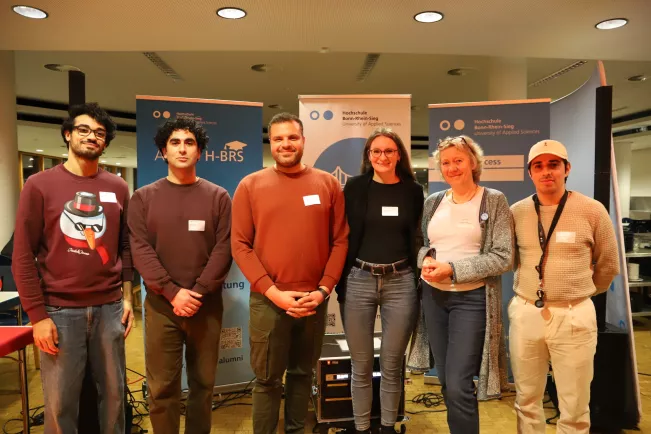
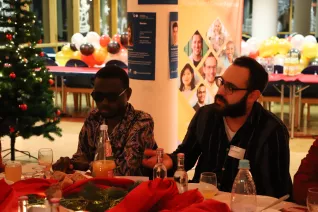
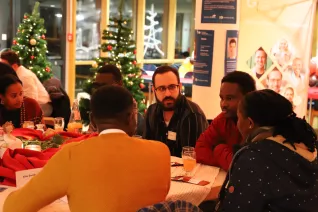
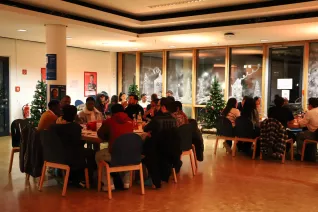
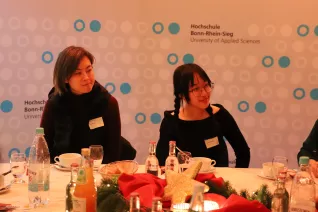
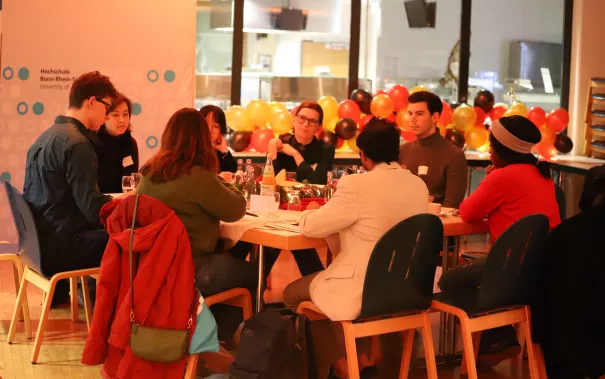
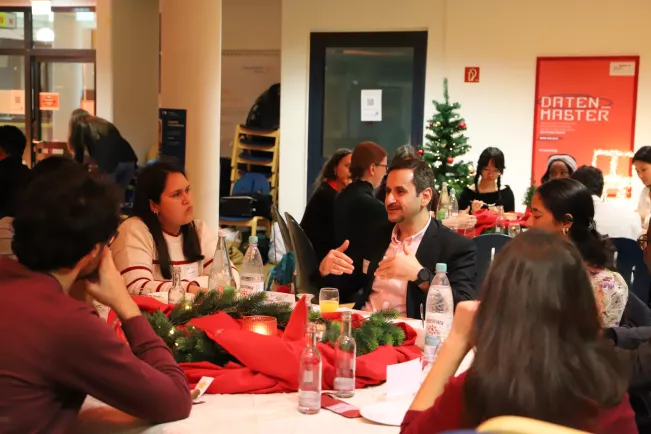
The students changed tables several times during the evening. The aim of the event was to give all students the opportunity to talk to all alumni personally. The teams of the Bridge to Success project and the Alumni Office treated them to new snacks after each table change.
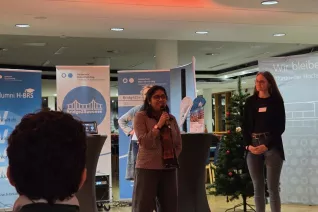
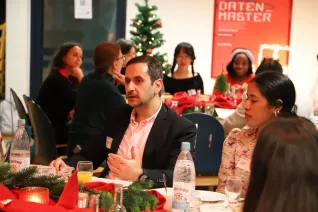
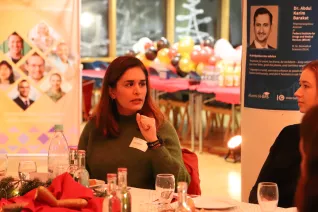



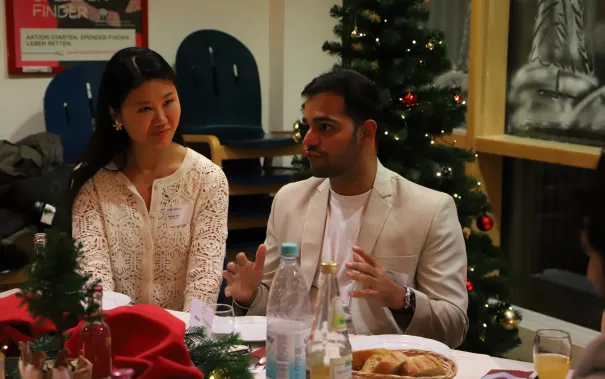
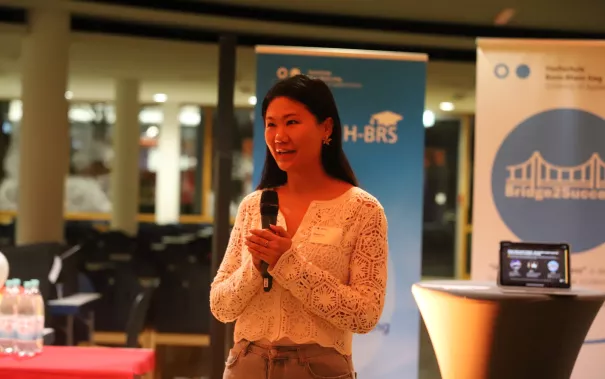
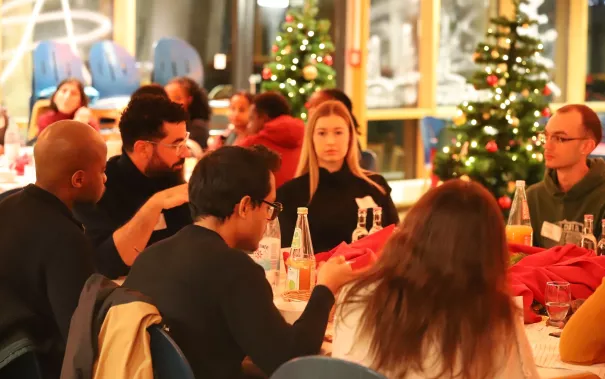
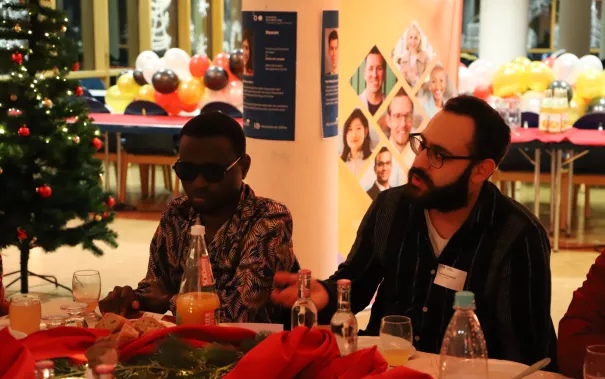

Experiences and Tips from Alumni
Job Search and Career Entry
“Be patient! Look for positions where your expertise is needed most! Be smart, adapt your cover letter! Be brave, grab the telephone! Be stubborn, keep applying!”
“For international students considering [a job in public sector], I recommend to get familiar with local regulations, as these are crucial in public sector work. Don’t hesitate to reach out to colleagues if something is unclear, as the work environment is generally more formal and policy-driven.”
“My focus since the beginning of the studies was to gainpractical experience in the field of my studies as soon as possible. The most difficult step was to land the first working student/internship position. I found my first working student job from an advertisement posted by [one of my professors]. One of the directors in the company was also an alumnus of H-BRS.”
Skills and Competencies
“A mindset that works well in Germany starts with clear, direct communication and visible contributions. People appreciate when you say what you need, explain problems early, and take initiative instead of waiting for instructions. It also helps to be open to the society you’re working in and to treat everyone — not only managers — with the same level of respect.”
“Independence, self-organization, clarity in communication, and proactive behavior. They don’t expect you to know everything on day one. It’s normal to make mistakes and learn along the way. What they appreciate most is honesty and initiative.”
“In both my roles, employers expected a hands-on mentality and full ownership of my tasks. They prioritized organization, specifically requiring long-term planning for holidays and transparent communication on all projects. However, they also valued a healthy work-life balance.”
Language Requirements
“Speaking German is essential for career growth. Many companies explicitly demand German language skills, while others operate in English. However, not knowing German limits your opportunities and can significantly hinder networking and integration.”
“If you're not fluent in German, it's essential to continuously improve your language skills, particularly in legal and administrative contexts. Don’t hesitate to ask for help from colleagues, especially when dealing with complex or technical language. If possible, take advantage of any language courses or workshops offered by your institution.”
“My German was not very strong in the beginning, but I managed well using English. German language skills definitely help and increase opportunities, but it is still possible to start and grow a career without full fluency.”
Integration and Networking
“Targeted volunteering! Volunteer according to your planned career.”
“Networking is much more helpful in Germany than we sometimes expect. I tried to participate in campus events like job fairs, workshops, career meetups, and conferences. These places helped me meet professionals, ask questions, and understand the job market better.
Do not hesitate to ask professors to connect you with their industry contacts. I also contacted companies directly to ask whether they offer open days or webinars on topics I was interested in. This small step often opens doors.
And don’t forget company websites often accept unsolicited applications. Sometimes this leads to unexpected opportunities or referrals to partner companies or networking events.”
“I personally gained a lot from projects, student jobs, and ongoing interactions with professors and classmates.”
Visa and Legal Status
“The 18-month job-seeking visa gives you the right to stay in Germany after graduation and search for a job. During this period, you’re allowed to work in any job to support yourself. Once you receive a relevant job offer, you can switch to a working permit. After two years on a skilled worker permit, you may be eligible to apply for permanent residency. My personal experience with the foreigners’ office in Bonn has been positive and officers were supportive and helpful. - For seeking a job visa, you need health insurance and to show sufficient funds for living expenses.”
“It is important to understand gross vs. net salary, social security contributions, health insurance, tax class.”
“It wasn't a big issue with finances and regulations as it’s always out there. Filing income tax can be a little bit of pain but I guess that’s part of the routine now. Keeping documents organized is crucial in Germany.”
Bridge2Success (B2S) from Bonn-Rhein-Sieg University of Applied Sciences connects international talents with regional employers and enhances the integration of skilled professionals in Germany. The project endeavours to support international students throughout their academic careers in order to ensure their success and subsequent employment in Germany. To this end, networking formats with alumni, such as the Role Models under the Christmas Tree Event, are offered, among other things.
Sprachkenntnisse
„Deutschkenntnisse sind für die berufliche Entwicklung unerlässlich. Viele Unternehmen verlangen ausdrücklich Deutschkenntnisse, während andere auf Englisch arbeiten. Wenn Du kein Deutsch sprichst, schränkt das Deine Möglichkeiten ein und kann die Vernetzung und Integration erheblich behindern.“
„Wenn Du nicht fließend Deutsch sprichst, ist es wichtig, Deine Sprachkenntnisse kontinuierlich zu verbessern, insbesondere im rechtlichen und administrativen Kontext. Zögere nicht, Kollegen um Hilfe zu bitten, insbesondere wenn es um komplexe oder technische Fachsprache geht. Nutze nach Möglichkeit Sprachkurse oder Workshops, die von Deiner Einrichtung angeboten werden.“
„Anfangs waren meine Deutschkenntnisse nicht besonders gut, aber ich kam mit Englisch gut zurecht. Deutschkenntnisse sind definitiv hilfreich und erhöhen die Chancen, aber es ist auch möglich, eine Karriere zu beginnen und voranzutreiben, ohne die Sprache fließend zu beherrschen.“
Integration and Networking
„Gezieltes Ehrenamt! Mach ehrenamtliche Arbeit, die zu deiner geplanten Karriere passt.“
„Networking ist in Deutschland viel hilfreicher, als wir manchmal denken. Ich habe versucht, an Campus-Events wie Jobmessen, Workshops, Karriere-Meetups und Konferenzen teilzunehmen. Dort konnte ich Fachleute treffen, Fragen stellen und den Arbeitsmarkt besser verstehen."
"Trau dich, Professoren zu bitten, ob sie dich mit ihren Kontakten aus der Industrie zusammenbringen können. Ich habe auch Unternehmen direkt kontaktiert, um zu fragen, ob sie Tage der offenen Tür oder Webinare zu Themen anbieten, die mich interessieren. Dieser kleine Schritt öffnet oft Türen. Und vergiss nicht, dass Unternehmenswebsites oft Initiativbewerbungen akzeptieren. Manchmal führt dies zu unerwarteten Möglichkeiten oder Empfehlungen an Partnerunternehmen oder Networking-Veranstaltungen.“
„Ich persönlich habe viel von Projekten, Studentenjobs und dem kontinuierlichen Austausch mit Professoren und Kommilitonen profitiert.“
Visa and Rechtsthemen
„Das 18-monatige Visum für Arbeitssuchende gibt dir das Recht, nach deinem Abschluss in Deutschland zu bleiben und einen Job zu suchen. Während dieser Zeit darfst du jede Arbeit annehmen, um deinen Lebensunterhalt zu bestreiten. Sobald du ein passendes Jobangebot bekommst, kannst du auf eine Arbeitserlaubnis umsteigen. Nach zwei Jahren mit einer Fachkräfteerlaubnis kannst du möglicherweise eine dauerhafte Aufenthaltsgenehmigung beantragen. Meine persönlichen Erfahrungen mit der Ausländerbehörde in Bonn waren positiv, die Beamten waren hilfsbereit und unterstützend. Um ein Visum für Arbeitssuchende zu beantragen, benötigst du eine Krankenversicherung und musst nachweisen, dass du über ausreichende Mittel für deinen Lebensunterhalt verfügst.“
„Es ist wichtig, den Unterschied zwischen Brutto- und Nettogehalt, Sozialversicherungsbeiträgen, Krankenversicherung und Steuerklasse zu verstehen.“
„Finanzen und Vorschriften waren kein großes Problem, da diese Informationen immer verfügbar sind. Die Einkommensteuererklärung kann etwas mühsam sein, aber ich denke, das gehört mittlerweile zur Routine. In Deutschland ist es sehr wichtig, seine Unterlagen gut zu organisieren.“
Bridge2Success (B2S) der Hochschule Bonn-Rhein-Sieg verbindet internationale Talente mit regionalen Arbeitgebenden und stärkt die Integration von Fachkräften in Deutschland. Das Projekt ist bestrebt, internationale Studierende während ihrer gesamten akademischen Laufbahn zu begleiten, um ihren Erfolg und ihre spätere Beschäftigung in Deutschland zu erleichtern. Dafür werden unter anderem Vernetzungsformate mit Alumni, wie das Role Models under the Christmas Tree Event, angeboten.
Kontakt

Location
Sankt Augustin
Room
E 238
Address
Grantham-Allee 20
53757, Sankt Augustin
Telephone
+49 2241 865 9603
Location
Location
Sankt Augustin
Room
F 224
Address
Grantham-Allee 20
53757 Sankt Augustin
Contact hours
Mon. - Fri.
Telephone
+49 2241 865 9866
Location
Sankt Augustin
Room
F 224
Address
Grantham-Allee 20
53757 Sankt Augustin
Contact hours
Mon. - Fri.
Telephone
+49 2241 865 9948