Communications and Marketing
The University Development Plan 4 (HEP4) 2026-2030 of Hochschule Bonn-Rhein-Sieg
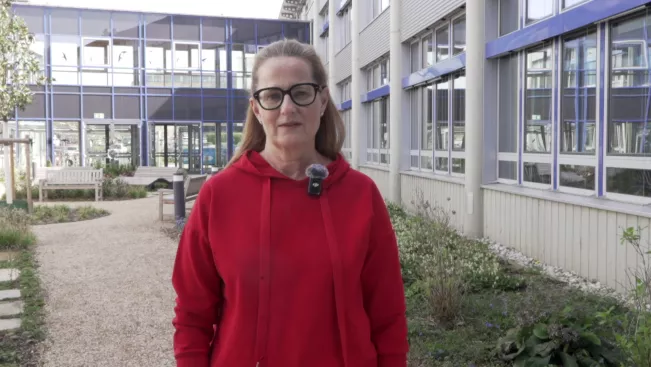
„The University Development Plan describes how we want to take responsibility as a university and actively shape change. It formulates ambitious yet realistic goals.”
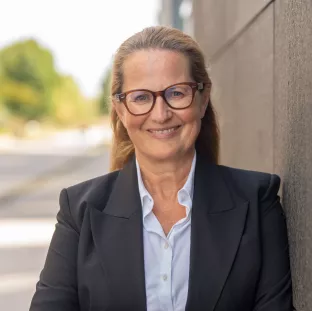
Prof Dr Marion Halfmann - President of the H-BRS
The fields of action
The fields of action are derived from the NRW Higher Education Act: The tasks of universities of applied sciences are education, research and development as well as transfer tasks. The individual projects in HEP4 are derived from this.
The university organises its teaching in a future-oriented manner and provides students with targeted support throughout their studies. It strengthens its application-orientated and interdisciplinary research and provides impetus for technological developments and overcoming social challenges. At the same time, it is expanding transfer and intensifying cooperation with business and society.
In this way, knowledge is turned into concrete innovations and applications that enable progress and have a lasting impact.
The profile fields
The profile fields in HEP4 bundle central topics in which H-BRS already has great potential and which it is developing further in a targeted manner.
With its profile field of digitisation and artificial intelligence, it systematically integrates AI into studies, research and transfer and strengthens skills in data literacy, digital transformation and responsible technology development.
In the field of internationalisation, the university is expanding strategic partnerships worldwide, further developing international study programmes and networking even more closely in the global scientific community.
In the profile field of innovation and entrepreneurship, it promotes start-ups, supports the transfer of ideas into marketable solutions and strengthens its role as a driving force for regional innovation processes.
In the area of social responsibility and sustainability, the university anchors sustainable action in all areas and makes concrete contributions to overcoming ecological and social challenges.
With these key topics, the university sharpens its profile as an application-oriented university and provides targeted impetus for innovation, internationality and sustainable development.
„The areas of digitisation and internationalisation in particular show how future-oriented the university is. Important impulses for teaching, research and transfer are set here. ”
Sylvie Hambloch-Gesinn - Chairwoman of the University Council of H-BRS

The conditional fields
The HEP4 also deliberately looks inwards. The conditional fields include topics in which the university must be well positioned internally in order to be successful in the fields of action and profiles.
The university continues to develop structures and processes and relies on digital solutions for greater efficiency and flexibility. It is strengthening its attractiveness for students through increased support, customised offers and supporting services. At the same time, it continues to develop equality and diversity structurally and promotes an open, participatory university culture.
This creates the basis for sustainable performance and successful further development.
Broad participation
Numerous ideas from university members have been incorporated into HEP4. Employees, students and alumni were all involved in drawing up the plan, which was discussed by the University Council and the Senate and approved by the Executive Board.
„The University Development Plan is the result of an intensive joint process. Many members of the university have contributed their perspectives and thus made a significant contribution to the strategic direction.”
Prof Dr Andreas Gadatsch - Chairman of the Senate and Professor in the Department of Management Sciences

The University Development Plan 2026-2030 sets clear priorities while remaining flexible. The goals and measures are continuously reviewed, prioritised and developed further.
Shaping change - University Development Plan for H-BRS 2026 to 2030
Video message from the President