Biometrics Evaluation Centre (BEZ)

Innovative approaches in biometrics: Generating synthetic data
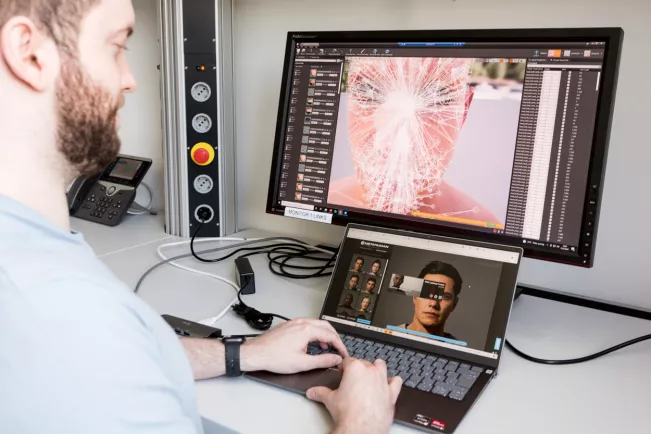
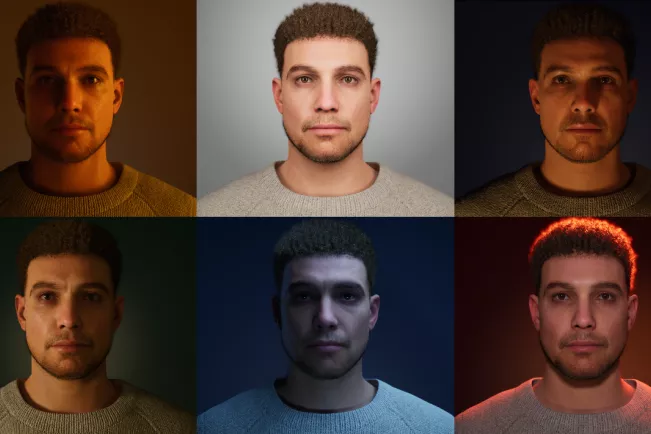
The research project “Synthetic Characters” is dedicated to the development and evaluation of biometric systems, which require large, diverse, and realistic datasets. Traditionally, such systems rely on real biometric data, but their availability is often limited due to costs, time, and data protection concerns. Additionally, these datasets frequently exhibit bias in terms of gender or ethnicity and usually lack detailed ground truth information on characteristics such as pose or lighting conditions.
The “Synthetic Characters” project takes an innovative approach: instead of relying on real data, it uses synthetically generated datasets. These allow flexible and controlled generation of biometric characteristics, offering significant potential for research. Key questions include: How can large synthetic databases be created efficiently? Can synthetic data effectively replace real biometric data? And how can the quality of synthetic data be reliably assessed?
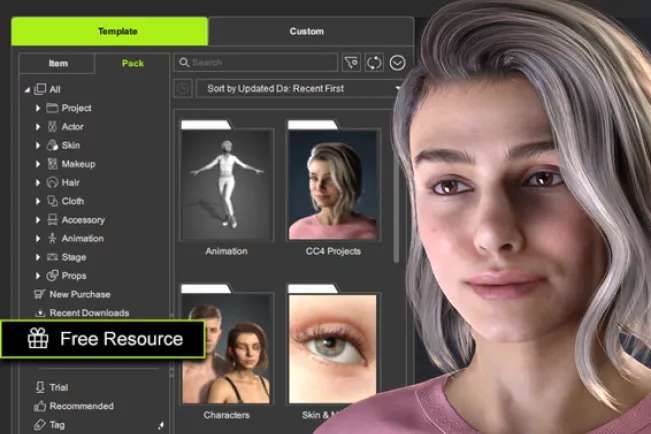
Two main approaches are being investigated. First, neural networks such as StyleGAN2, which enable fast and realistic data generation but offer limited control over specific parameters. Second, character generators from the field of computer games, such as Meta Human Creator or Character Creator 4.0. These tools provide a high degree of parameterization, allowing targeted manipulation of individual features—for example, for bias analyses. However, the generation process is time-consuming and has not yet achieved the level of detail possible with neural networks.
Although the project is still in its early stages, it has great potential to elevate biometric systems through the use of synthetic data. It addresses the scarcity of real data while simultaneously opening new avenues for improving the fairness and accuracy of biometric technologies.