President's Office
Men at H-BRS: Strong together for gender equality

Family justice and an open university culture that goes beyond gender role clichés empower men as well as women and non-binary people. On a personal level, men benefit from gender equality measures and contribute to a more peaceful society. They gain new freedoms: They can take on family responsibilities as a matter of course, leave stereotypical expectations behind and embark on more diverse life paths. In this way, the university is also making a contribution to the United Nations' global Sustainable Development Goals (SDGs). SDG 5 (gender equality) makes it clear that equal opportunities for all genders are a prerequisite for sustainable development.
However, there is still a lack of male voices on the topic of gender equality and awareness-raising workshops are disproportionately attended by women. Many men do not feel sufficiently involved in gender equality policy in Germany. We want to change this and help the committed pioneers at our university to become more visible, because gender equality can only be achieved together.
Men also benefit from equality
The classic gender role model demands "strength" from men at all costs.
They often pay with their own health.
Many men conceal or suppress their mental health problems. They neither tell their family nor seek professional support.
-73% of suicides in Germany in 2023 were committed by men.[1]
-68% of homeless people in Germany in 2022 were men.[2]
-83% of drug-related deaths in Germany in 2022 were male.[3]
-82% of those convicted in Germany in 2023 were men.[4]
More and more men are of the opinion that "equality is important for social cohesion."[5] They are questioning traditional role models and defining for themselves how they want to live and love. See also Men and parental leave.
More and more fathers are receiving parental allowance (22.7% in 2016, 26.1% in 2022). [6]
-Fathers who take parental leave still spend more time with their children years later compared to fathers who have worked continuously.[7] More time with their children has a positive influence on job satisfaction for fathers.[8]
-The more equal a country, the higher the life expectancy of men and women. [9]
Men also benefit when we move away from outdated role models: they are under less psychological strain, have closer relationships, enjoy more freedom to organise their own lives according to their own ideas and not according to strictly prescribed role models. Those who support equality are therefore also working on their own health and quality of life.
Don't the sexes already have the same opportunities?
Invisible mechanisms (unconscious bias)
Discrimination often happens unconsciously and without malicious intent. Traditional gender roles and automatic associations lead us to think that men are smarter and more competent (Gender bias). How do you imagine a classical genius, for example? Most people think of Albert Einstein rather than a person read as a woman.
Structural disadvantages (career, citations, promotion)
Women make up around half of all Bachelor's and Master's students in Germany, but the gap between men and women widens after the doctorate. At universities in NRW, women will make up around 45% of doctoral graduates, 33% of post-doctoral graduates and only 30% of professors in 2023.[10] On a personal level, this means that women are losing opportunities, while on a societal level, the risk of a shortage of skilled workers and a loss of quality is increasing.
At H-BRS, too, the higher the academic level, the lower the proportion of women.
Women academics often receive less promotion and recognition than men despite having the same or even better qualifications and performance.[11] For this reason, the women's quota according to Section 7 LGG NRW is not a favouritism, but a necessary compensation for disadvantages.
Citation gap: Women are systematically cited less than men. Men cite themselves up to 70% more often than women do.[12] Following gender stereotypes, we tend to expect scientific authors to be men, so that female scientists are often incorrectly cited with male pronouns when using initials (e.g. "Dr B. Apple").[13] This contributes to the systematic underestimation and invisibilisation of women's achievements in science.
Unequal division of labour (care work)
Women in Germany spend an average of 44% more time on unpaid care work than men (this includes childcare, housework and looking after relatives in need of care).[14]
Since women shoulder the main burden of unpaid care work, they often work part-time (involuntarily), have fewer career advancement opportunities and are exposed to a higher risk of poverty in old age ("gender pension gap").[15]
-Sharing care work as partners is an important prerequisite for equal opportunities for women and men in the labour market (see Men on parental leave).
Care work is not just limited to private life, however. "Office housework" describes unpaid activities such as taking minutes, preparing rooms or organising coffee and is usually expected of female team members, who therefore have less time for their paid work.[16]
Violence (most drastic form of inequality of opportunity)
Gender-based violence: Women and non-binary people in particular are affected by gender-based violence at universities. According to a representative UniSAFE study, 37% of the women and 44% of the non-binary people surveyed had already been sexually harassed at universities and named men as the perpetrators in 78% of cases.[17]
"Not all men..."
Imagine the following situation among 10 men:
- 1 Man makes a sexist joke about women.
- 2 Men laugh.
- 3 don't find it funny, but laugh to be part of it.
- 4 say nothing and pretend they haven't heard anything.
The result: Nobody stops the discriminatory behaviour. Afterwards, all 9 men (except the joke teller) believe they are part of the "good majority".
The reality for women: The laughter and silence create the same environment in which boundary violations are normalised.
If direct intervention is difficult (e.g. due to hierarchies): Show solidarity to the person concerned in private afterwards. Alternatively, you can raise the incident with superiors or the equal opportunities officer in order to actively help shape structures.
Not every man harasses women. But many men - consciously or unconsciously - protect the system that enables harassment by not intervening. Gender equality needs men who break this silence and take responsibility for fair coexistence
Men as allies
Equality is a gain for all genders. However, the path to gender parity requires men to become aware of their social privileges and reflect on them. This is because the current system is not neutral - it gives men systematic advantages in many areas, while women and other genders are structurally disadvantaged. It is important to emphasise this: Individual men are not to blame for the fact that this system has evolved historically and favours them in certain areas. Nevertheless, he has a responsibility to question these advantages and to deal with the structures that reproduce inequality.
The focus is therefore not on criticising individual men, but on reflecting together on the existing power relations and our own role within them. If we want highly qualified mothers to have the same career opportunities as fathers, care work must no longer fall predominantly unpaid on the shoulders of women - it must be distributed more fairly and/or remunerated fairly. If professorships are to truly reflect the qualifications of all genders and half of graduates are female, men cannot continue to hold around 70% of professorships. As long as men form the overwhelming majority in decision-making positions, they benefit - consciously or unconsciously - from a system that secures them more visibility, influence and power, often at the expense of others.
Men as allies therefore play a central role: they can use their privileged position to make existing inequalities visible, demand change and actively take responsibility for care work, equality and fair structures. Those who are committed to fair structures are not only working for a fairer university, but also for the implementation of SDG 5, making it clear that gender equality is a key issue for sustainable social progress.
How can men at H-BRS campaign for more gender equality?
Men are key multipliers for a fairer university and society, because their voices are heard. They still hold the majority of positions of power in Germany - be it in politics, business or academia. Especially in male-dominated spheres (such as at a STEM university), men who actively campaign for gender equality are invaluable allies for female* university members.
This is not about men speaking or acting "for women". Rather, they contribute to making structures fairer - in favour of all genders. After all, a system that enables diversity and recognises care work also takes pressure off men: rigid role models, constant availability and pressure to perform are questioned and new freedom is created.
From students to professors, men can contribute valuable impulses and ideas and at the same time be role models for other men. Everyone can contribute in their own way to creating an equitable and fair university - and thus a system that not only empowers women, but also benefits all members.
Gender equality is not only created through strategies on paper, but above all in everyday life through attitude, action and example. Seven men from H-BRS show how they are already committed to gender equality in their studies, research and teaching. They provide insights into their experiences and share specific tips on how everyone can contribute to greater fairness and equal opportunities in their everyday lives.
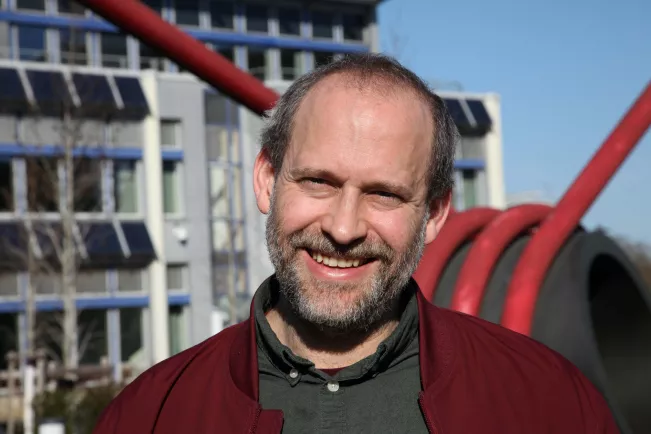
Prof. Dr Oskar Schnappauf, Professor of Human Genetics
"I am motivated by the conviction that good science thrives on diversity. It is created where people with different perspectives can realise their potential. For me, gender equality begins with taking this diversity seriously in everyday working life. In concrete terms, this means planning appointments and deadlines in such a way that care responsibilities remain compatible - for example, by not scheduling meetings at off-peak times as a matter of course."
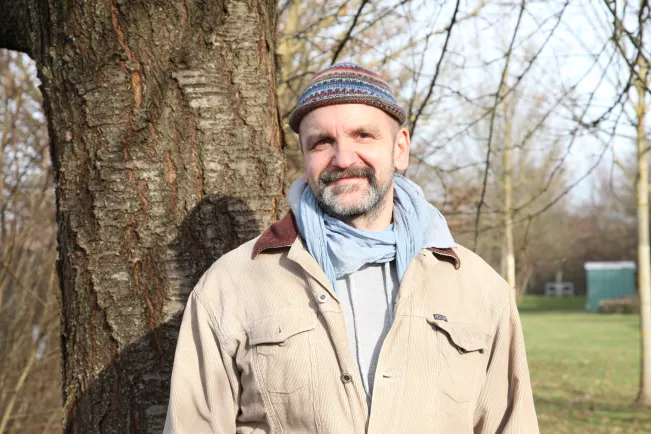
Guido Krause, Research Associate
"Because men continue to be privileged without realising it. Because they continue to have the power to make decisions - about jobs, politics, money, bodies. Because they are still allowed to feel "normal", while women, trans and non-binary people constantly have to prove that they are "worthy". Gender equality is not a mercy, it is a necessity. Men need to stop feeling like victims when they are no longer automatically the centre of attention. It's not about loss, it's about justice. And yes, it's bitter, but necessary."
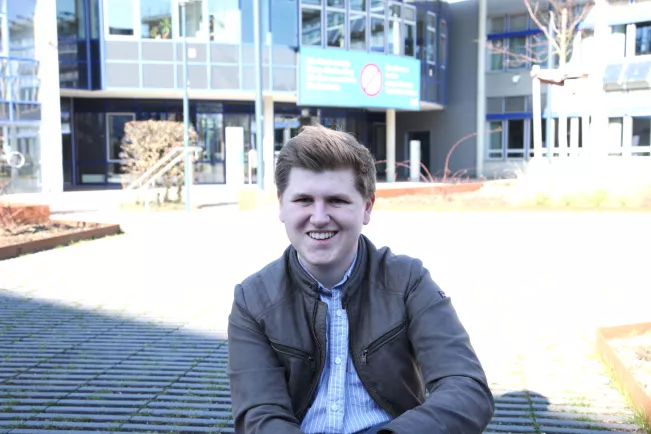
Maximilian Waldorf, engineering student
"Openness is not only the key to social participation, but also an essential step towards equality. To achieve this, it is extremely important to become aware of your own prejudices in order to overcome long-established stereotypes. This has also helped me to look at some situations from my everyday life as a student from a different perspective and to reclassify them. So don't shake your head if your fellow student has a different opinion. Take the time to listen so that you can understand their point of view. Encourage them to say it out loud, because that's exactly what we benefit from as a university."
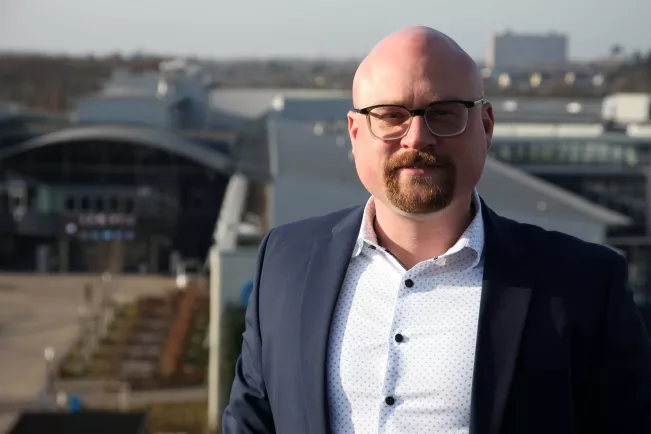
Dr Simon Roth, Head of the Centre for Science and Technology Transfer
"Unfortunately, gender equality is still not the no-brainer that it should be. It is primarily the responsibility of us men to change this. That's why I think it's particularly important to keep taking a close look at this issue and to reflect critically on ourselves. I am therefore grateful for the open feedback culture that we cultivate in the team on this and other important aspects of collaboration, because blind spots can often only be identified in an honest exchange with each other.
I believe that improving gender equality is an important leadership issue from which the entire organisation - and we men - clearly benefit. That's why I'm happy to be Male Ally out of conviction"
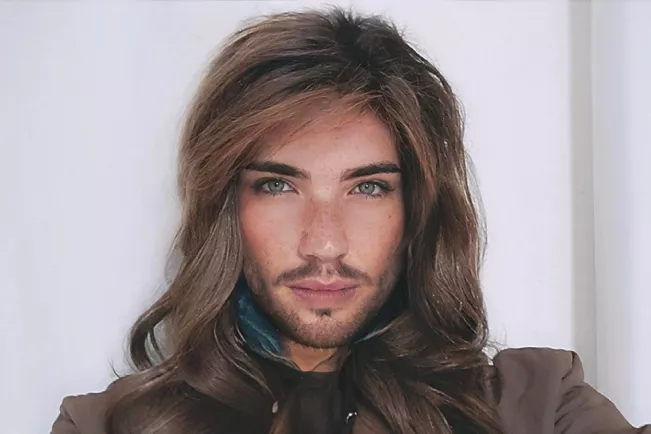
Tim Breuer, Engineering and Communication student
"I realise that the masculinity norms of our grandfathers' and fathers' generations simply no longer apply to my own life. I don't see this as a loss, but rather as an exciting process of change: rediscovering "being a man" and expanding it in a reflective way. For me, gender equality begins with taking our own blind spots seriously instead of reflexively going on the defensive.
As allies, we should be able to listen, communicate collaboratively instead of dominantly and consciously share resources and spaces. For me, consistently naming misogynistic behaviour by men in our environment and acting against it, even if it becomes socially uncomfortable, for example among friends or family, is part of this."
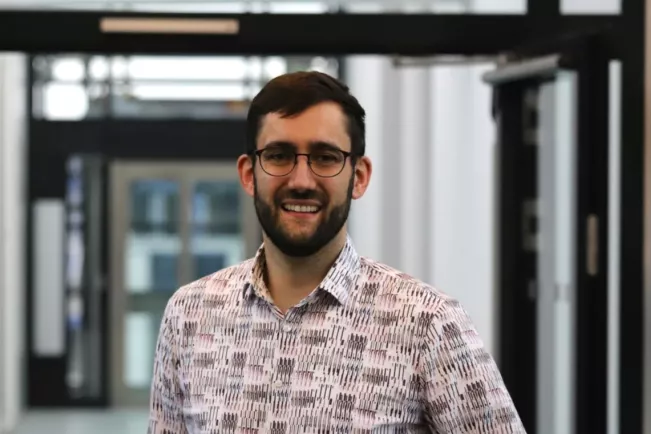
Dr Markus Witzler, Research Associate
"Scientific potential is not distributed according to gender - but unfortunately opportunities often are. As a postdoc in the STEM field, I experience that self-doubt, visibility and informal networks strongly characterise careers. I therefore try to create spaces in teaching and supervision where everyone feels safe to ask questions, make mistakes and set ambitious goals. I encourage talented students to take the step towards an academic career and support them along the way. I pay attention to fair, comprehensible criteria for feedback and assessment, try to be aware of my own biases and actively seek perspectives before making a judgement. I demand respectful interaction and do not remain silent in the event of derogatory comments or misogynistic moments. For me, being a Male Ally means listening, reflecting on my own privileges, giving support and making small structures a little fairer every day."
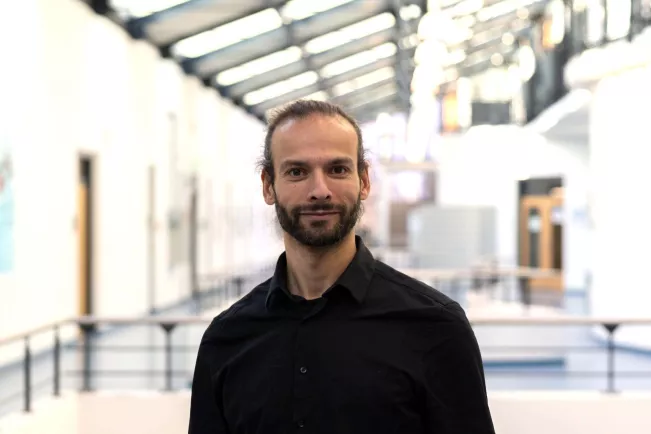
Javed Razzaq, Research Associate
"There are many women in my personal circle who are all strong, competent and independent personalities. They enrich my horizons with their skills and views. For me, it goes without saying that I regard them as equals and respect them. As men, we don't usually experience gender-specific injustice, assaults or discrimination ourselves, but we should listen to women and take their experiences seriously."
Stand up (even more) for gender equality: Male Allyship Workshop
The workshop lasts 4 hours and will be offered once on 03 June 2026 and once on 06 October 2026. Please choose exactly one date.
Do you have any questions? Please contact us

Location
Sankt Augustin
Room
G 013
Address
Grantham-Allee 20
53757 Sankt Augustin
Telephone
+49 2241 865 9986Sources
to download