Department of Computer Science
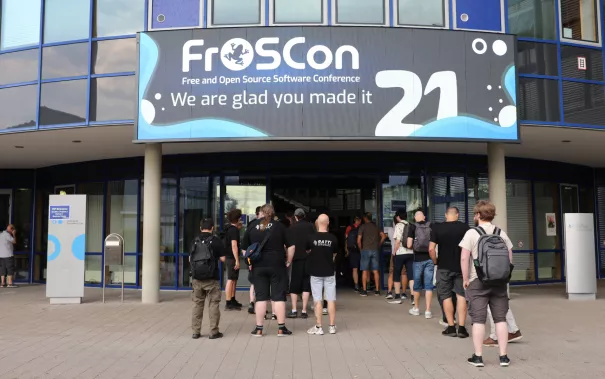
FrOSCon 2026: Over 2,000 visitors at the open-source conference
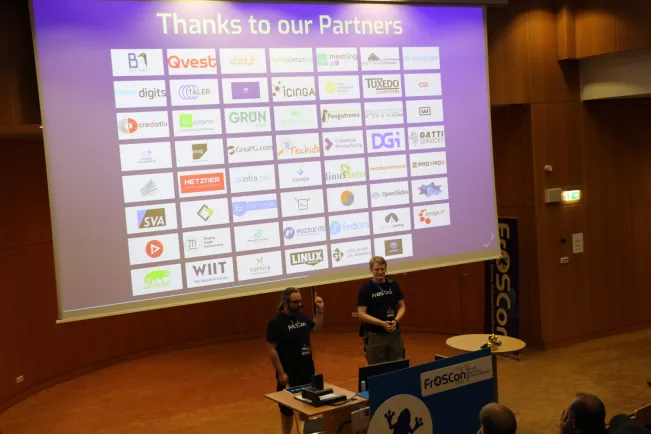
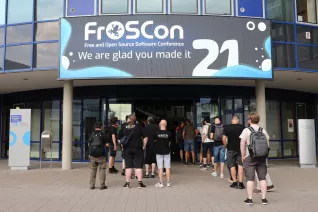
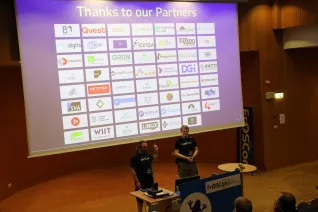
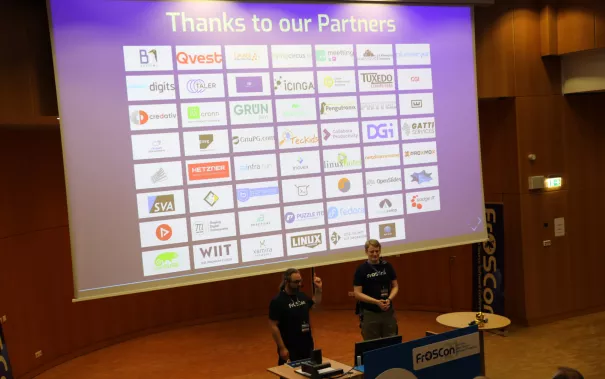
Dr Hinrikus Wolf and Lars Becker opened FrOSCon and thanked the sponsors and the numerous volunteers for their support. At the same time, they made it clear that the event will continue to rely on the support of sponsors and volunteers in the future. According to them, the funding for this year’s FrOSCon was initially in a precarious state. However, following a public appeal for donations, the community’s solidarity became evident, and as things stand at present, a FrOSCon can take place again next year.
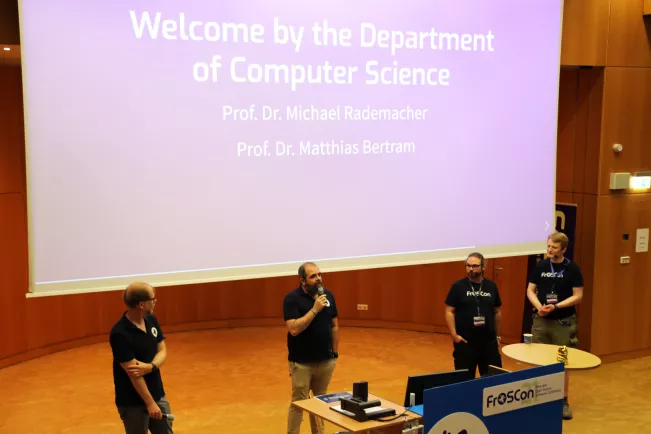
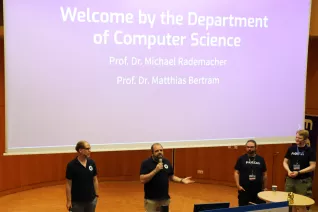
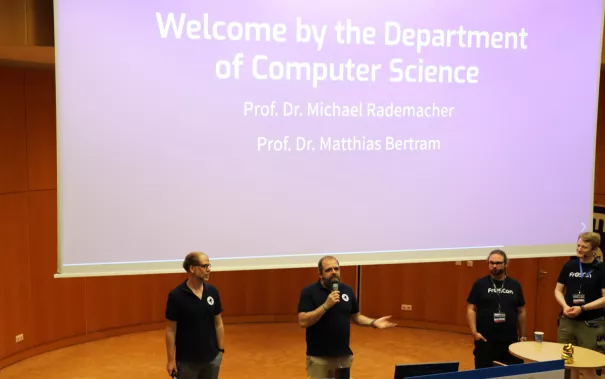
On behalf of the H-BRS, Vice-President Prof. Dr Johannes Steinhaus welcomed the participants. From the Department of Computer Science, Vice-Dean Prof. Dr Matthias Bertram and Prof. Dr Michael Rademacher welcomed the guests. Ivonne Zimmermann-Fabricius and Lukas Schauer had been heavily involved in organising the event on behalf of the university for several months. This demonstrates the extremely positive collaboration currently taking place between FrOSCon and the Department of Computer Science.
In his presentation, Prof. Dr Rademacher addressed one of the most significant current trends in software development: the increasing use of artificial intelligence in programming. As AI takes on ever-larger parts of the programming work, this raises not only the question of what future demands will be placed on developers, but also what the consequences will be for open-source projects.
This also presents new challenges for university teaching. For Rademacher, the question arises as to what role traditional programming skills will play in future, given that AI systems are increasingly capable of generating code. His message to the participants was nevertheless clear:
„Open-source projects thrive on the people behind them. Keep your projects going. It is important that there are still people who have a comprehensive and in-depth understanding of the technical details of large language models.”
Prof. Dr. Michael Rademacher - Professur Informatik, insbesondere Embedded Systems und Netze
Making its debut: the Master’s in Autonomous Systems with two robotics projects
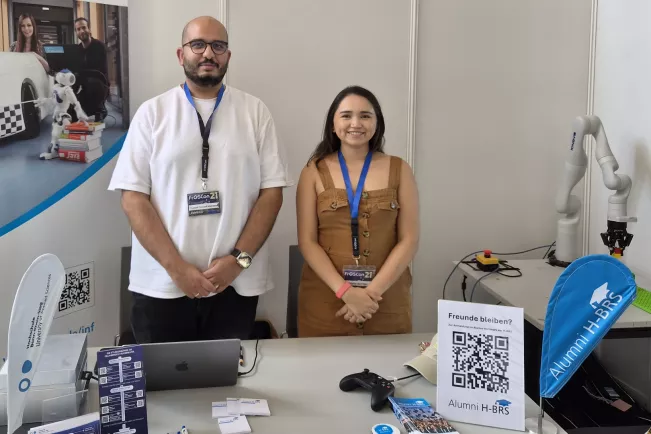
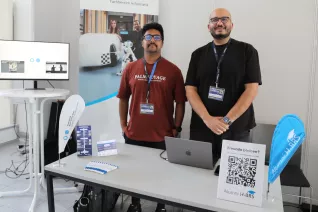
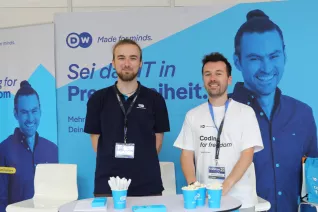
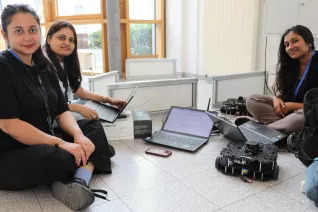
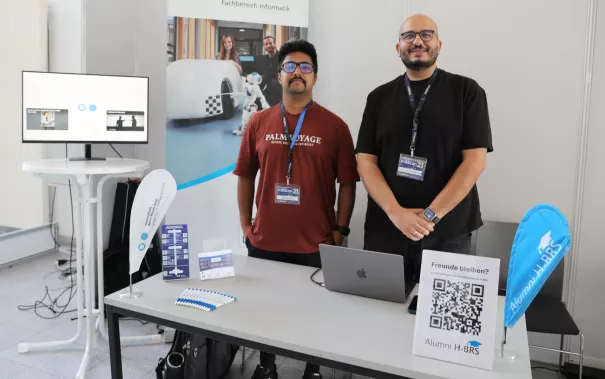
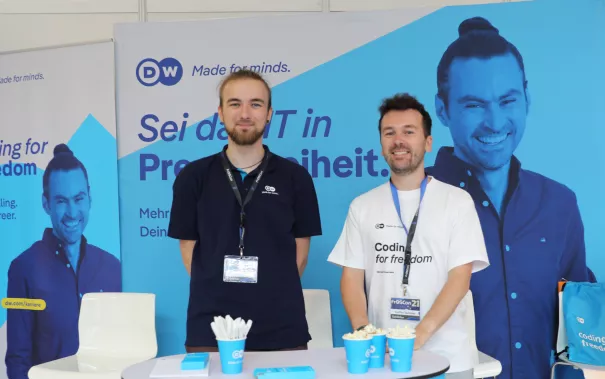
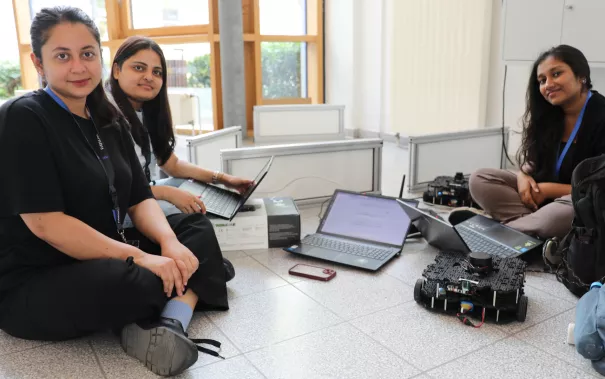
The Department of Computer Science was also represented amongst the exhibitors for the first time this year, with its Master’s programme in Autonomous Systems and the A2S Institute. With two fully developed projects, the students vividly demonstrated just how diverse and complex the development of autonomous systems is.
The project ‘Collision-safe Lego assembly using a robotic manipulator’ demonstrated how a robotic manipulator can carry out assembly tasks safely and precisely. The project offered visitors a clear insight into the challenges of robotics and collision-safe motion planning.
The second project, ‘Agent-based Multi-Robot Exploration’, demonstrated the interaction between several autonomous robots. Visitors were able to see how several robots explore an environment together and interact with one another as autonomous agents.
Through these two projects, visitors were given a direct insight into the various areas of application for autonomous systems – from precise robotic manipulation to coordinated exploration involving multiple robots.
Keynotes: Open source from different perspectives
Among the highlights of the FrOSCon 2026 programme were the keynotes by Gina Häußge and Aleix Pol.
In her keynote ‘Adventures in Open Source Development’, Gina Häußge spoke about her experiences in developing open-source software and provided insights into the challenges and opportunities associated with the collaborative development of free software.
Aleix Pol looked back over three decades of open-source history in his keynote ‘KDE at 30: Looking Both Ways’. To mark KDE’s 30th anniversary, he looked both at the project’s development over the past decades and at the future of free desktop and software development.
The two keynote speeches thus demonstrated the wide range of topics covered at FrOSCon 2026, from personal experiences in open-source development to the history and future of one of the best-known free software projects.
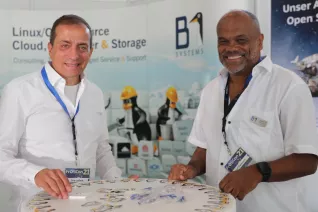
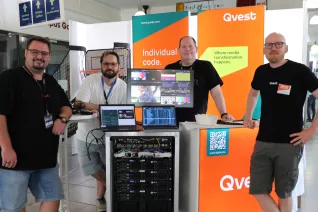
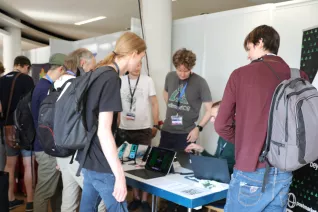
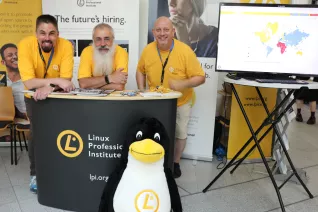
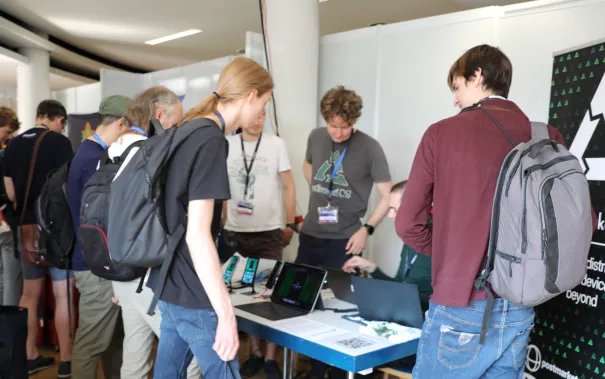
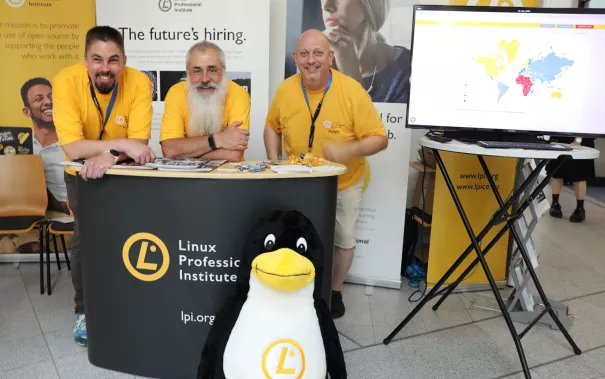
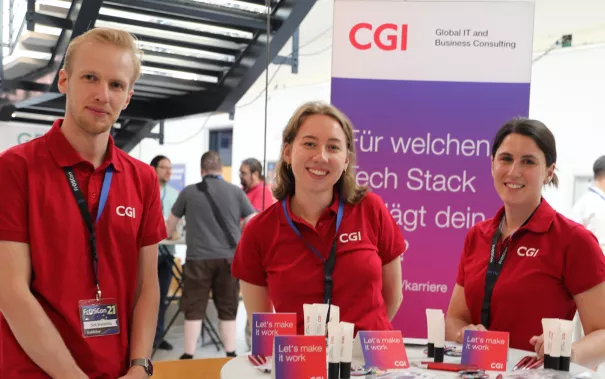
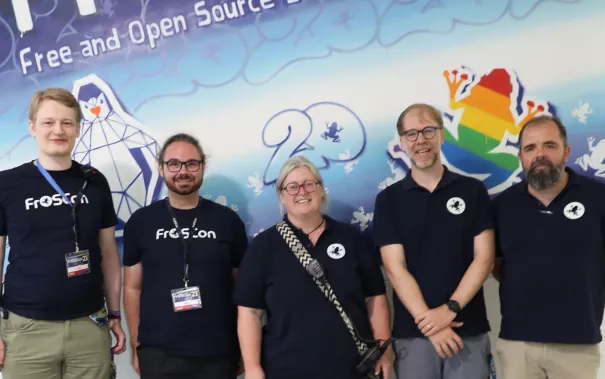
As well as providing technical insights, this year’s FrOSCon once again offered numerous opportunities for discussion, networking and collaborative learning. The large number of attendees – despite the exceptionally hot weather – underlines the conference’s importance as a key meeting place for free software and open technologies.
Kontakt


Michael Rademacher
Professorship of Computer Science, in particular Embedded Systems and Networks, Research Group Leader Fraunhofer FKIE
Location
Sankt Augustin
Room
F313 (entrance via car park behind the F-building)
Address
Grantham-Allee 2-8
53757 Sankt Augustin
Contact hours
Please enquire about consultation hours via e-mail
Telephone
+49 2241 865 151Links
Weiterführende Links