Centre for Ethics and Responsibility (ZEV)
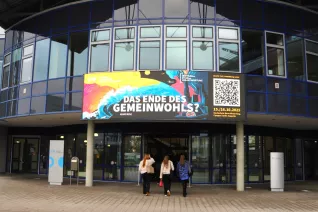
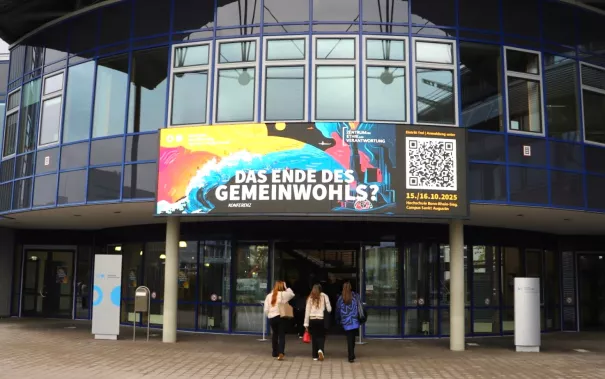
"The end of the common good?" - Results of the student conference
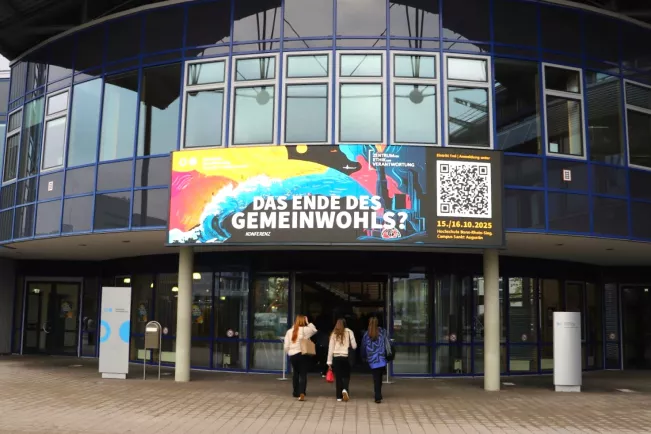
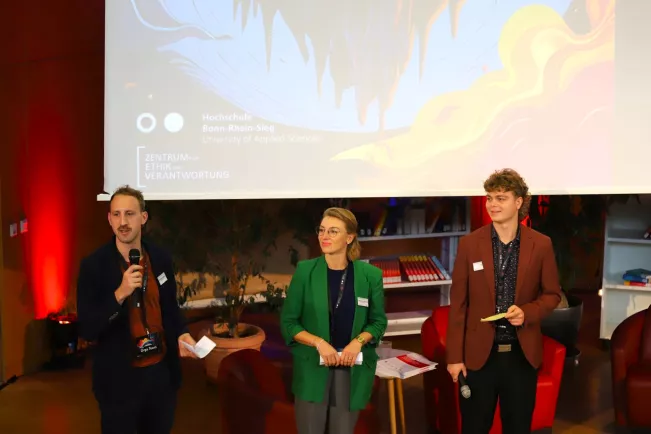
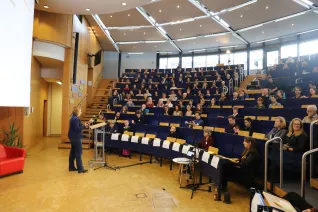
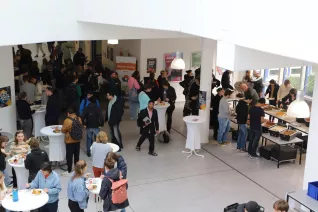
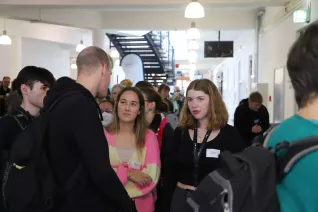
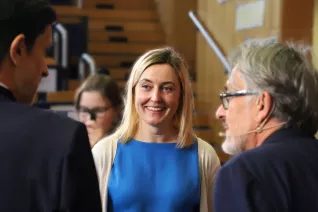
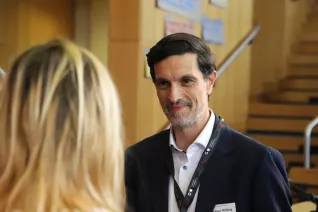
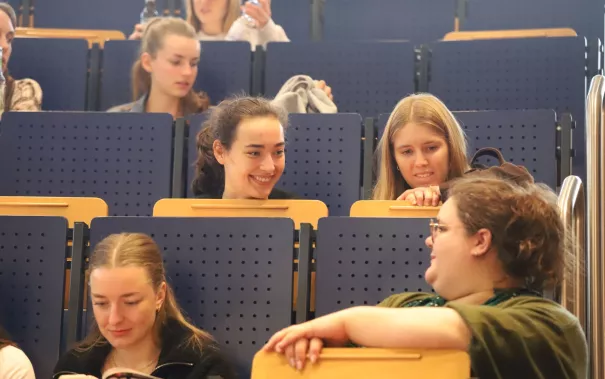
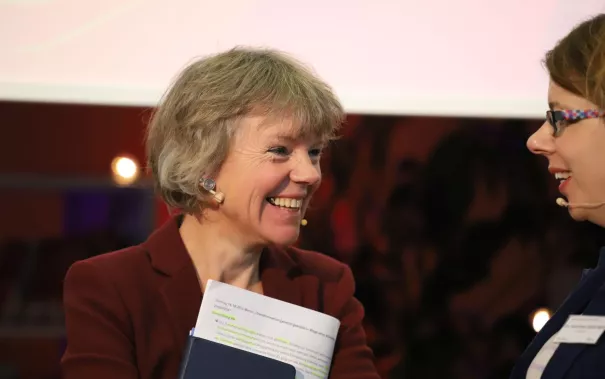
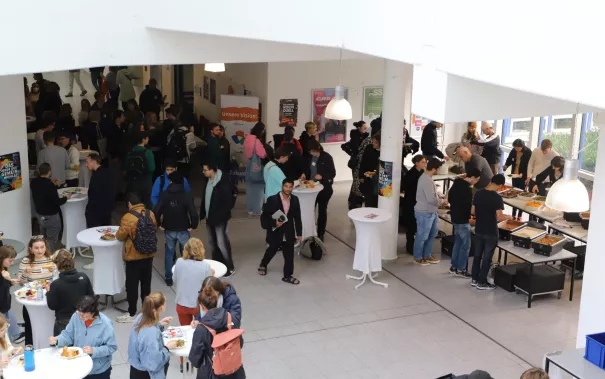
Although it is difficult to summarise the findings of an entire day full of exciting presentations and discussions in a nutshell, here are a few highlights of important insights:
Climate crisis
The climate crisis was consistently described as the greatest challenge of the 21st century - not as a moral project, but as a scientifically proven reality with far-reaching consequences for the economy, health and social security systems. It became particularly clear: The burdens hit economically disadvantaged and marginalised groups first and hardest. Climate protection will only be socially viable if it is organised in a socially just way. Positively formulated future narratives, clear assignments of responsibility and solidarity-based solutions were emphasised as key levers for regaining the ability to act politically and overcoming social resignation.
Right-wing populism
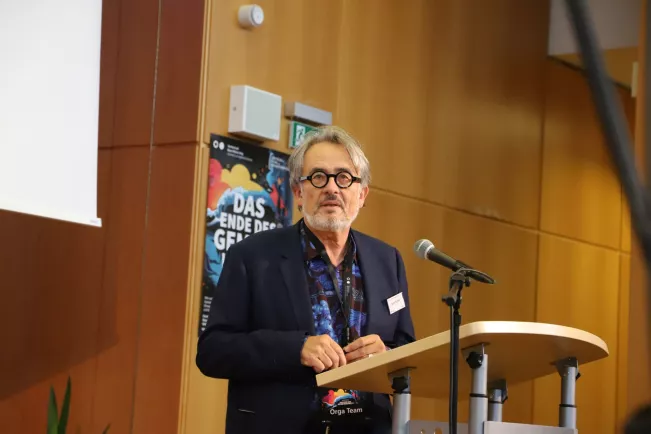
The thematic block on the shift to the right made it clear how strongly right-wing actors are currently shaping public discourse - and how much they benefit when their terms, interpretations and frames are adopted. A key learning from the conference was therefore that any involvement in the right-wing culture war, whether in an ironic or critically distanced form, can contribute to the normalisation of far-right positions.
Matthias Meyer from the Institute for Democracy and Civil Society (IDZ) illustrated this using current political science research: conservative approaches to right-wing positions, so-called "accommodative strategies", do not weaken far-right actors. On the contrary, they enhance them and shift democratic norms. Repeating their language feeds their narratives into the mainstream. This is why counter-communication must be strategic, reflective and clearly value-orientated.
The analysis of the AfD ultimately made it clear how far-reaching right-wing actors systematically put democratic institutions under pressure. In eastern German municipalities in particular, targeted attempts were being made to undermine them: Educational organisations were delegitimised, employees threatened and authorities bombarded with complaints. Through calculated linguistic exaggerations, the AfD were pushing the boundaries of what can be said with the aim of sowing distrust in state and civil society structures.
In his presentation, Wolfgang M. Schmitt also showed how closely right-wing populist resonance spaces are linked to social crisis narratives. For example, with meritocratic narratives that emphasise individual responsibility, suppress solidarity and ignore structural inequalities. Political actors should therefore focus more on the actual problems of the majority of the population: economic disadvantage, unequal distribution, price increases, social security.
Equal distribution and participation
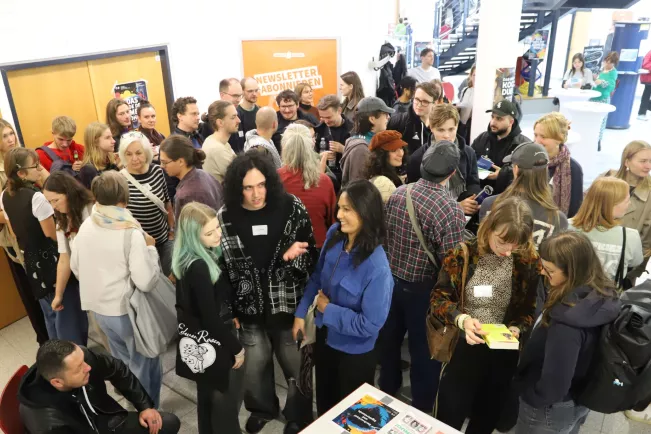
The discussions on social inequality made it clear how closely economic inequality and social polarisation are intertwined. Poverty and income inequality are reaching historic highs, while wealth remains highly concentrated or is becoming increasingly concentrated. For many people, this means less social security, less political participation and more anxiety about the future. Populism thrives where social insecurity is high. A stable common good therefore requires targeted measures against inequality and for fair access opportunities.
Samah Al Hashash (DeZIM) used the NaDiRa monitoring report to show that racialised people in Germany are disproportionately affected by poverty, discrimination and exclusion. Prof Dr Susanne von Hehl used her data on 7.9 million severely disabled people and the high prevalence of mental illness to highlight the huge gap between legislation (SGB IX, Disability Equality Act, UN Convention on the Rights of Persons with Disabilities) and actual participation. Prof Dr Constanze Spieß showed how right-wing populist actors use these gaps in their communication to stir up mistrust, devalue institutions and weaken social solidarity.
An important further impulse came from Lukas Scholle (editor-in-chief of Surplus Magazine). He argued that the welfare state is often portrayed as a cost factor, especially in times of economic hardship. However, the term "cost explosion" is misleading. The welfare ratio, i.e. the share of social spending in GDP, remains remarkably stable. The public discourse nevertheless follows the frame that the welfare state is "too expensive". Scholle emphasised the extent to which such narratives restrict the scope for political action, even though they are empirically untenable.
In conclusion, Emilia Roig provided an impetus with a strong focus on structural problems. She argued that social transformation does not come about through a "trickle down" - in other words, by moving more people into existing, often exclusive structures. Instead, a "trickle up effect" is needed: changes that originate from the groups whose participation has been systematically restricted to date. Intersectionality is not an academic add-on, but a central principle of transformation. Participation must challenge existing systems and make visible why and where they exclude people.
Roig also emphasised that differences between people are not the problem: it is their hierarchisation that makes them a basis for discrimination. Gender is not a static characteristic, "not something we are, but something we do". From this perspective, it becomes clear that discrimination cannot be overcome by individual measures or appeals, but is a structural problem that requires structural changes.
She was particularly critical of the fact that inclusion in Germany is often seen as a debt to be paid by people with a history of migration: Those who want to belong have to adapt and remain "wrong" if they deviate. This logic shifts responsibility: it is not institutions that should become more inclusive, but those affected who should adapt. In this way, the exclusions that should actually be overcome are reproduced.
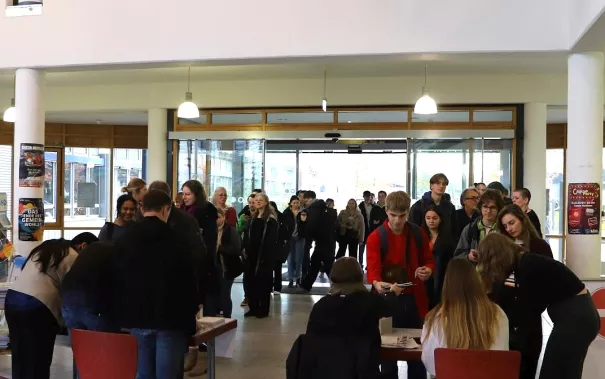
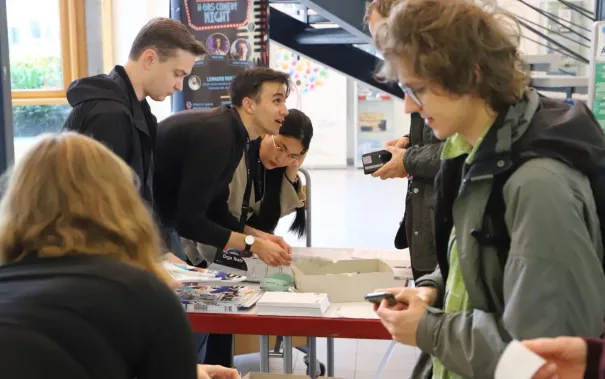
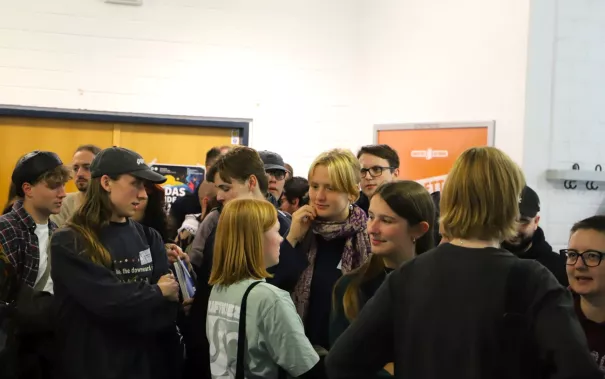
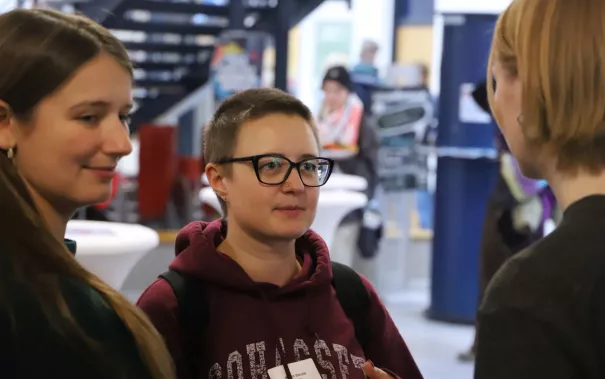
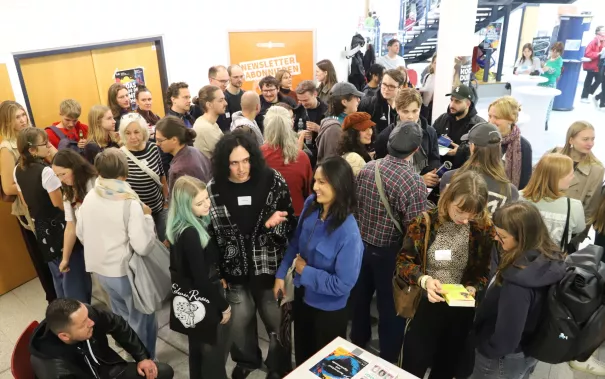
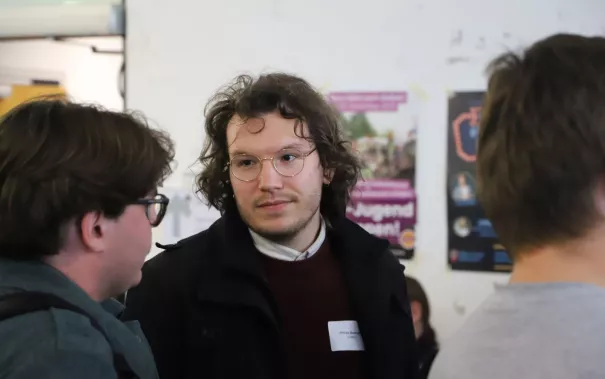
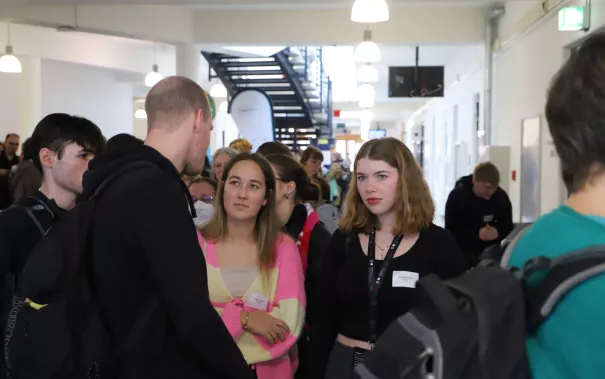
We would like to thank you for the lively dialogue and the many thought-provoking ideas. The conference has shown how great the need for open, scientifically sound and solidary debates is. Many thanks to everyone who made this day possible and filled it with life.
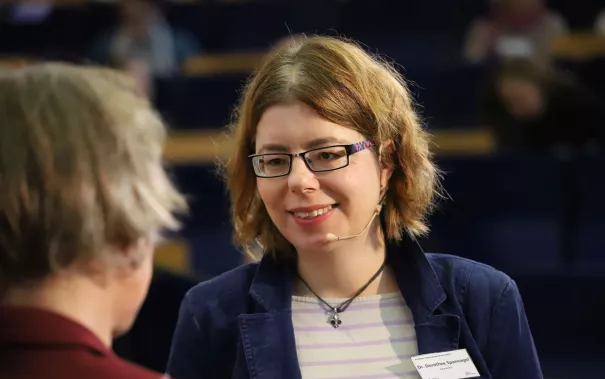
Speakers: Dr Dorothee Spannagel, Astrid Schaffert, Lukas Scholle, Wolfgang M. Schmitt, Matthias Meyer, Prof. Dr Constanze Spieß, Dr Emilia Roig, Samah Al-Hashash, Prof. Dr. Susanne van Hehl
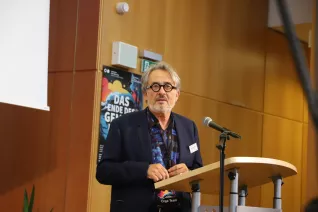
Moderation: Professor Gert Scobel
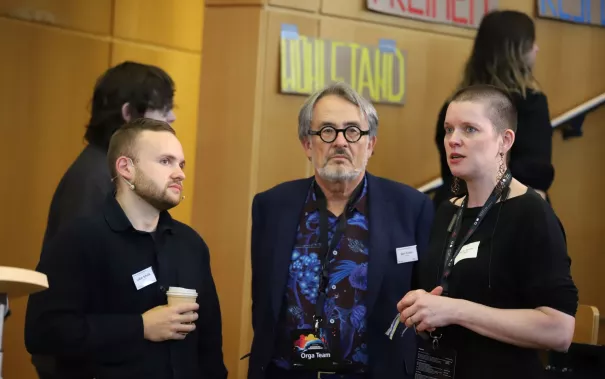
Organisation: Christian Kessler, Hanne Kossmann, Isabella Grabowski, Leon Ueberall
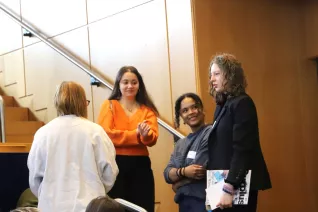
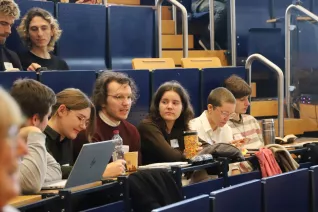
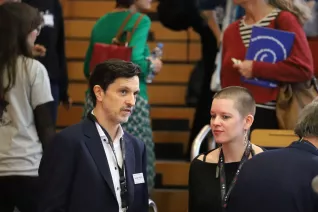
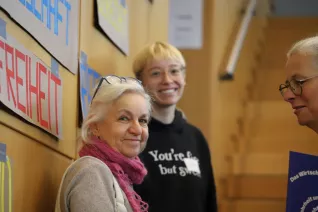
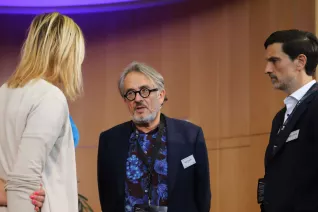
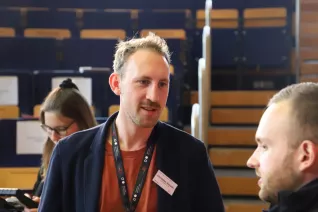
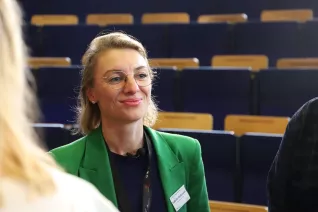
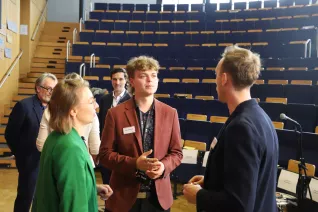
Text: Christian Kessler, Leon Ueberall, Photos: Juri Küstenmacher
Contact us

Gert Scobel
Adjunct Professor for interdisciplinarity and philosophy, Member of the Directorate "Centre for Ethics and Responsibility"
Location
Sankt Augustin
Room
H 008
Address
Grantham Allee 20
53757 Sankt Augustin

Location
Sankt Augustin
Room
H 008
Address
Grantham-Allee 20
53757, Sankt Augustin
Telephone
+49 2241 865 9894Contact points
Kontakt: Zentrum für Ethik und Verantwortung (ZEV)
Room
G 039