International Centre for Sustainable Development (IZNE)
Project conclusion: Transformative competences for sustainable change
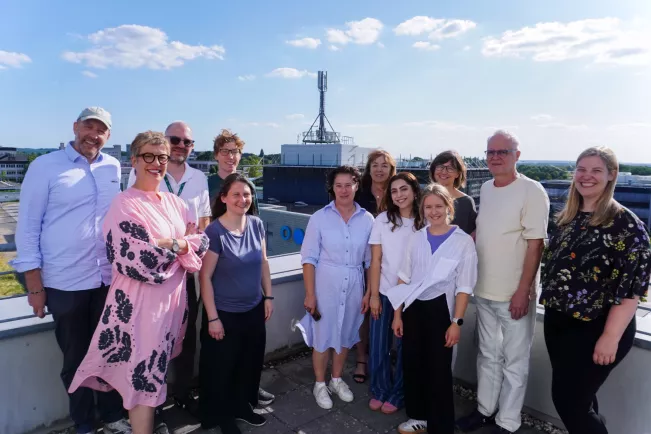
The aim of the project, which was funded by the Bonn-Rhein-Sieg University Society, was to find out what skills people need in order to effectively meet the social and ecological challenges of our time - and how these skills can be promoted. The focus was on so-called "transformative competences", i.e. skills that enable people to play an active and creative role in sustainable change.
Why transformative competences?
Climate change, social inequalities, scarcity of resources - many of the most pressing challenges can no longer be overcome by individual sectoral solutions. Instead, we need joint, targeted action, far-reaching changes and people who are able to think in new ways, change perspectives and mobilise others for change.
Approach
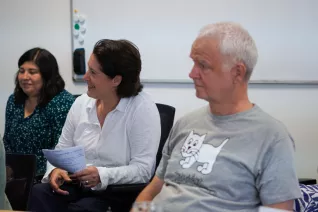
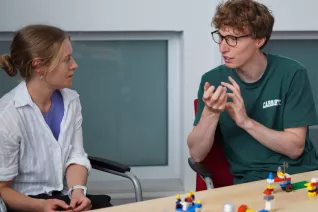
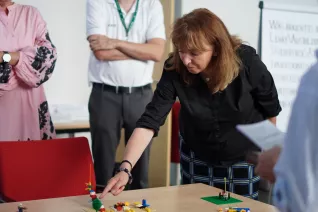
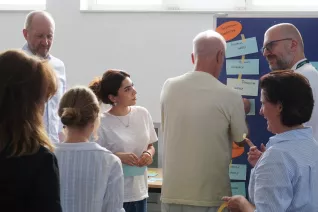
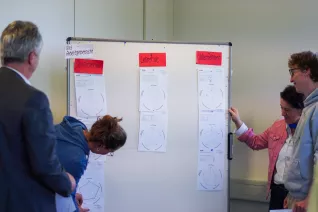
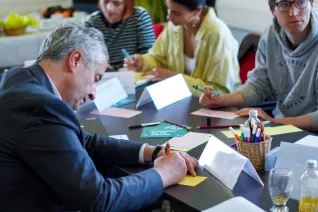
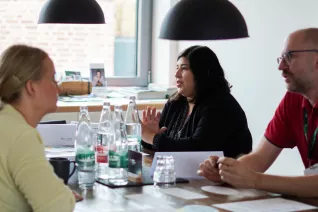
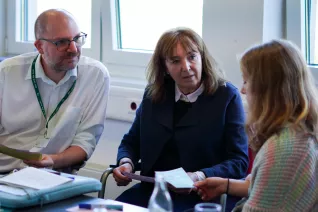
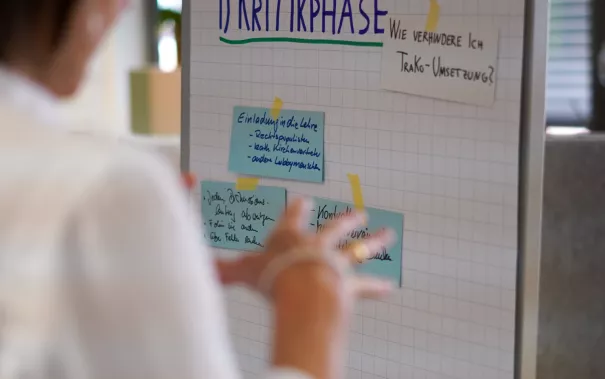
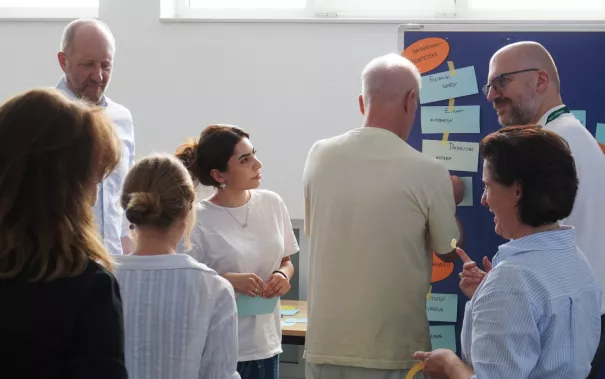
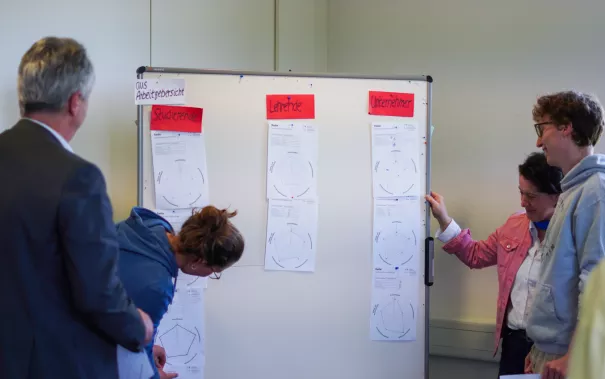
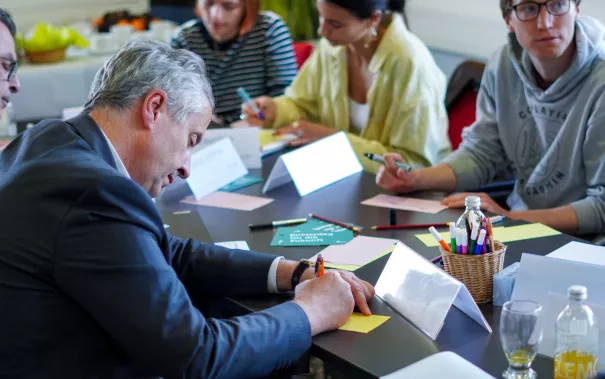
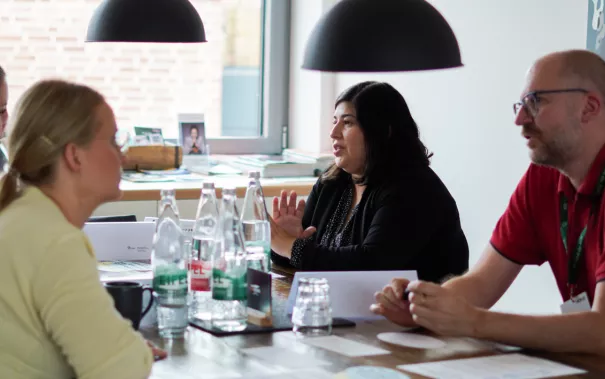
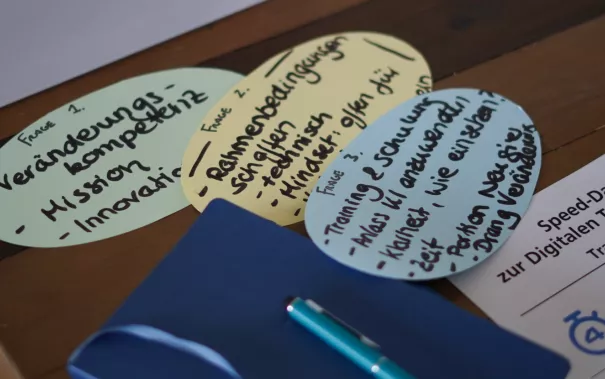
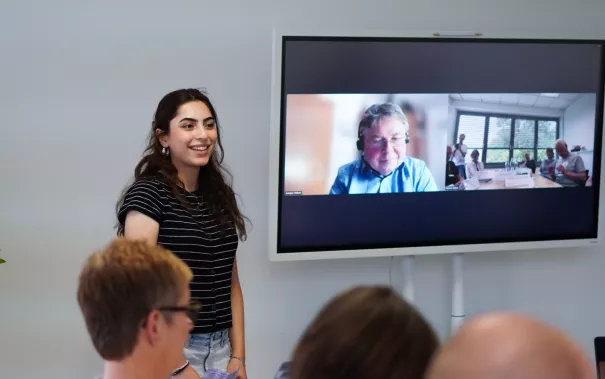
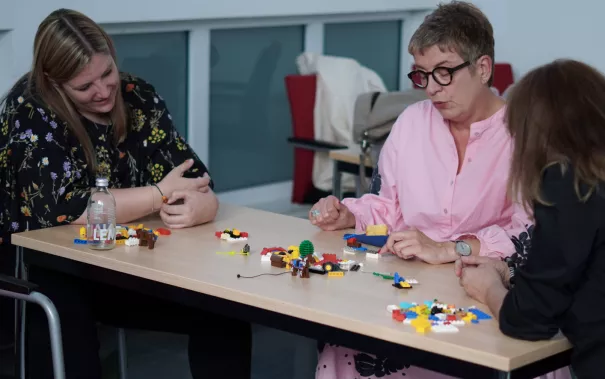
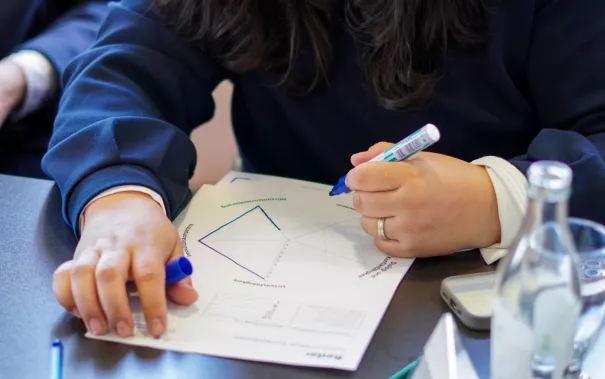
The project used a qualitative, explorative approach with workshops and participatory methods. A total of seven workshops were held with different thematic focuses:
- Sustainability management
- Circular economy
- Skills shortage
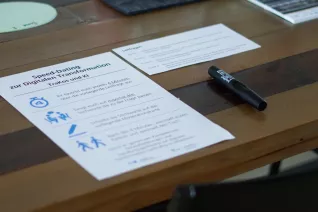
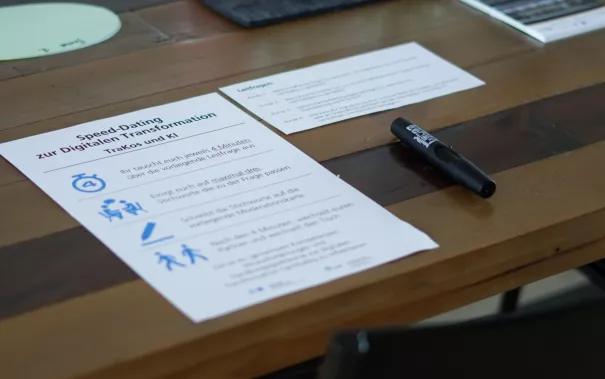
- Digital transformation
- Capability approach
All in all, representatives from three key stakeholder groups took part:from three key stakeholder groups:
- Students
- Science & Teaching
- Corporate partners:inside
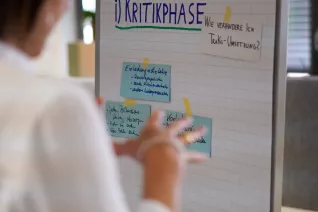
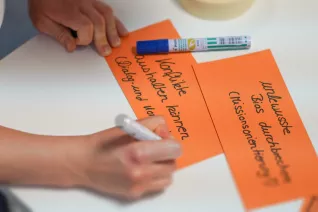
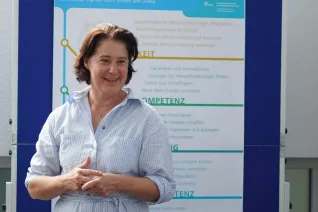
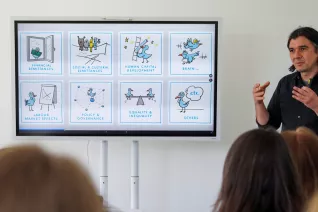
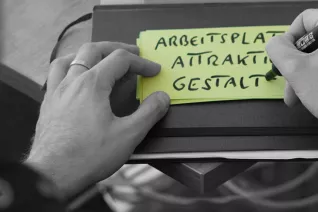
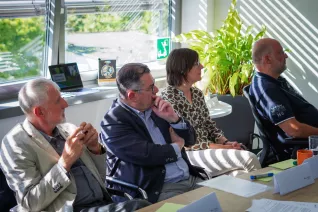
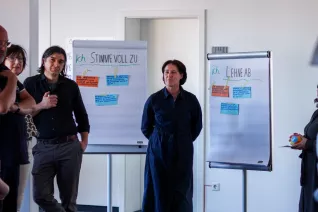
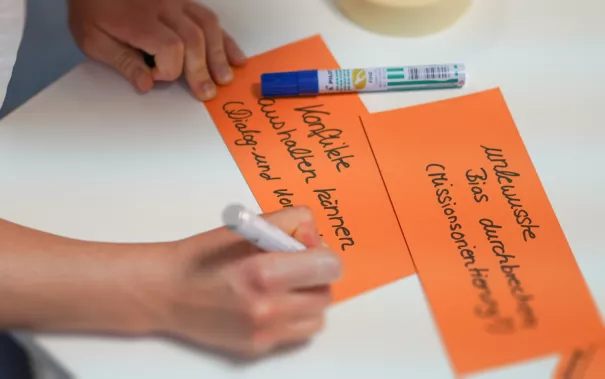
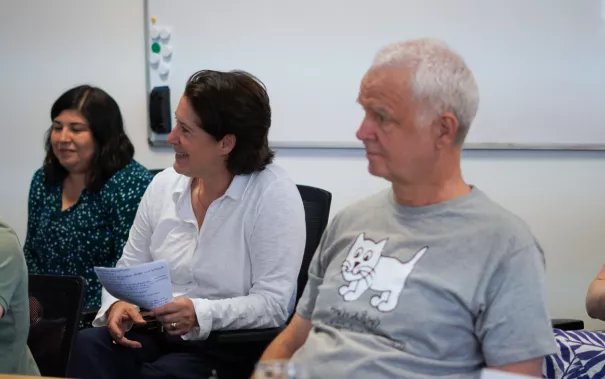
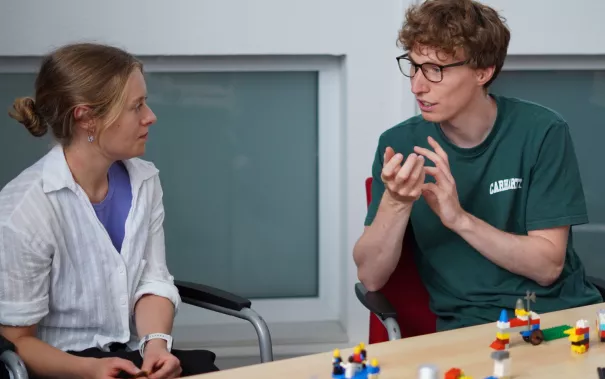
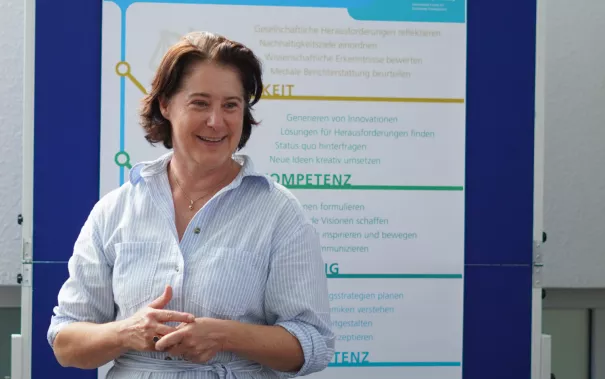
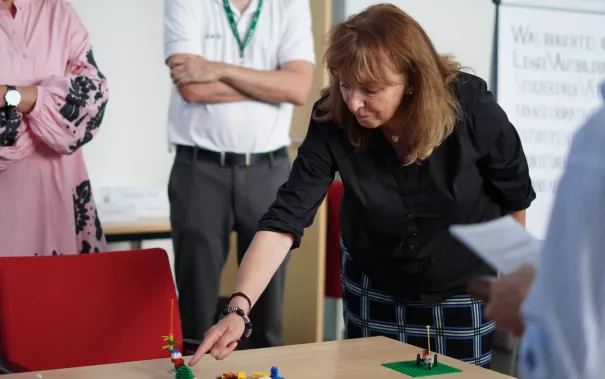
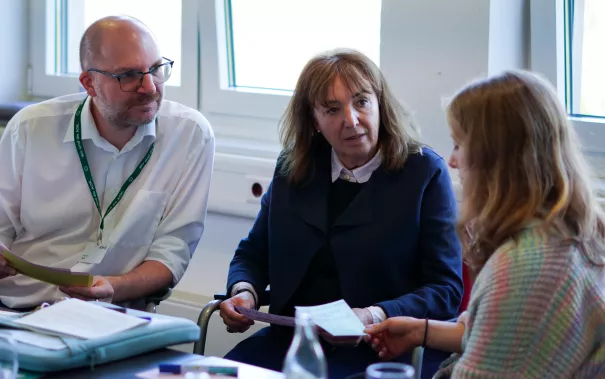
Impressions from the workshops

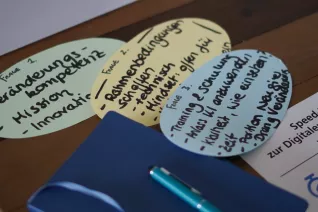
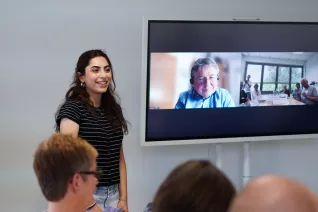
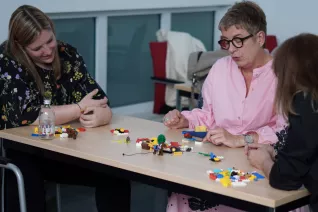
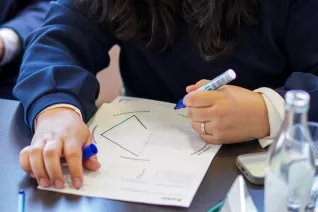

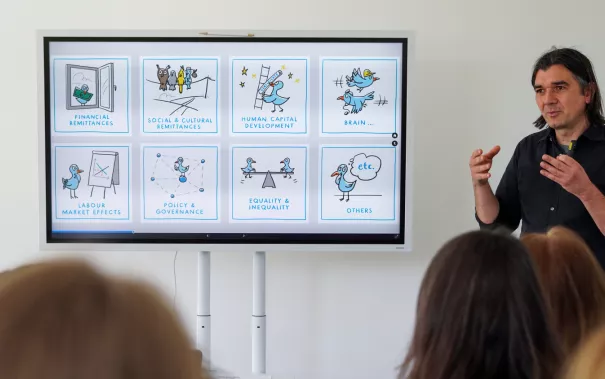
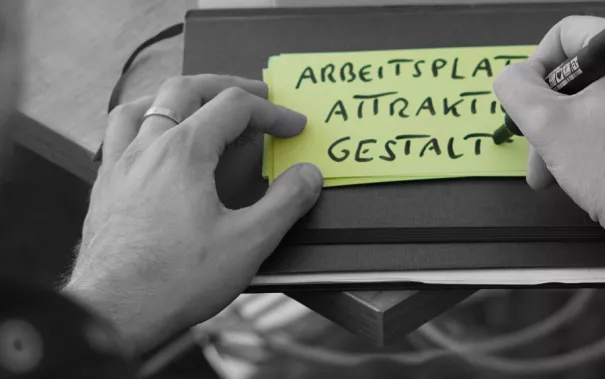
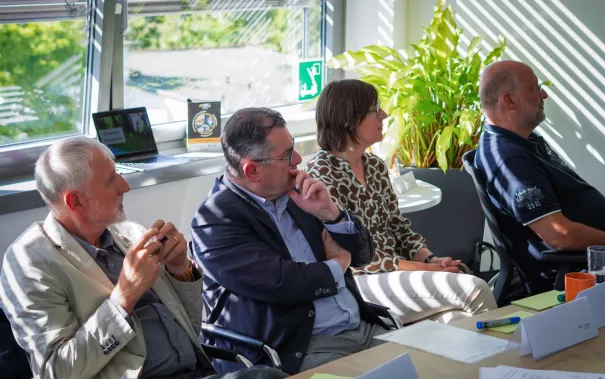
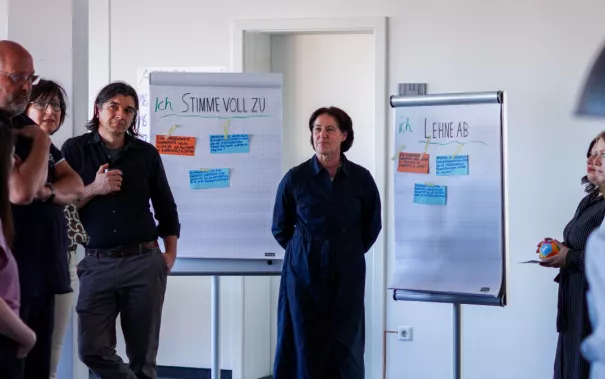
Central results
Competencies need supportive framework conditions
The transformative competencies identified - such as the ability to change, dialogue skills or judgement - unfold their potential particularly when certain conditions are in place. It became clear from the workshops that competences alone are not enough. The decisive factor is the conditions under which people are able to apply and further develop them.
These include:
- Time for reflection and exchange in order to adopt new perspectives and develop possible courses of action.
- Freedom of design, for example in projects or in teaching, in order to try out new ideas.
- Resources and support, for example through support programmes, committed managers or mentoring.
- A clear practical relevance, i.e. specific challenges from the work or university context that can be used to test and strengthen skills.
"Impact is created above all through dialogue and exchange," says research assistant Angela Turck. Berenice Fischer, also a research assistant, adds: "Change takes time - and the right spaces for it."
Recommendations & Outlook
The results provide clear recommendations for education, teaching and practice:
- Transformative skills must be specifically promoted - not only in higher education, but also in continuing professional development and organisational development.
- Curricular anchoring, new learning formats and interdisciplinary exchange are decisive success factors for impact.
- Spaces for creativity are needed in which new perspectives, reflection and joint learning are possible.
The project has shown once again: Sustainable change does not succeed through knowledge alone - but through people who are willing and empowered to actively help shape this change.
The project was led by Prof Dr Wiltrud Terlau and her research assistants, Angela Turck and Berenice Fischer, and funded by the Bonn-Rhein-Sieg University Society.


Contact us

Wiltrud Terlau
Professor of Economics, Resilient and Sustainable Development, Director of the International Centre for Sustainable Development (IZNE), Department of Economics
Research fields
Location
Rheinbach
Room
B 111
Address
von-Liebig-Straße 20
53359, Rheinbach
Telephone
+49 2241 865 410Location
Sankt Augustin
Room
Raum F 305
Address
Grantham-Allee 20,
53757, Sankt Augustin

Silvia Berenice Fischer
Research associate 'Responsible Economy and Natural Resources', Ph.D. student
Location
Sankt Augustin
Room
F 308
Address
Grantham-Allee 20
53757, Sankt Augustin
Telephone
+49 2241 865 9813
Angela Turck
Research associate 'Responsible Economy and Natural Resources', Ph.D. student
Location
Sankt Augustin
Room
F 308
Address
Grantham-Allee 20
53757, Sankt Augustin
Telephone
+49 2241 865 9788Contact points
Kontakt: Internationales Zentrum für Nachhaltige Entwicklung (IZNE)
Campus
Sankt Augustin