Institute of Technology, Resource and Energy-efficient Engineering (TREE)
Energy
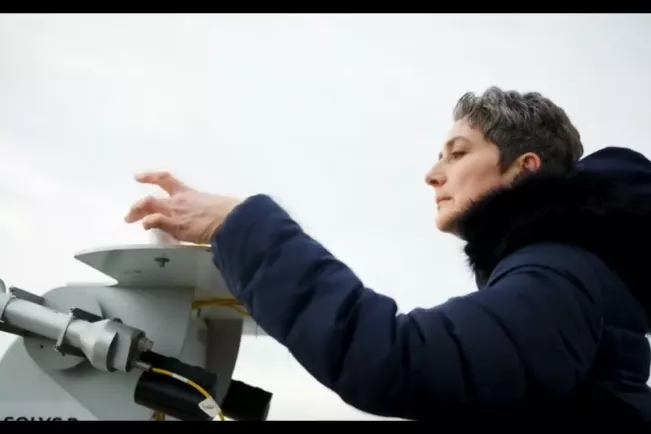
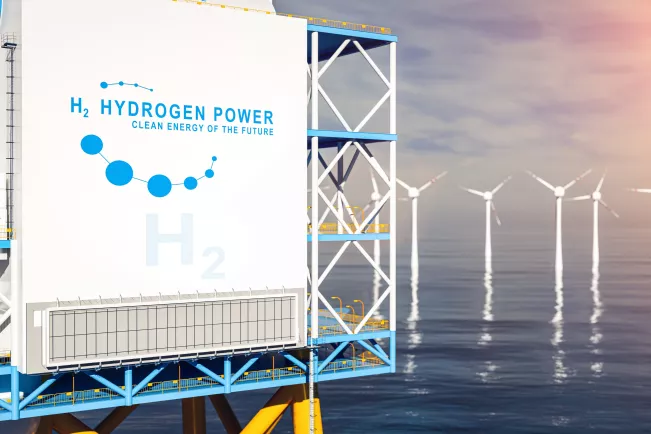
Research objectives:
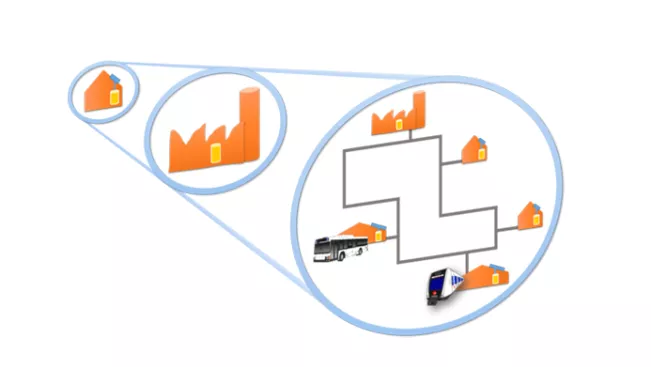
- Better understanding of the dynamics of multidimensional energy grids
- Optimisation of data and energy management of microgrids and decentralised power-to-gas systems
- Modelling of coupled electricity and gas grids with decentralised storage
- Development of optimal regional sector coupling and storage models
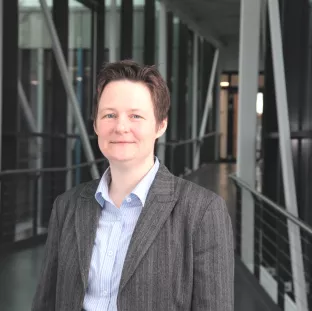
„Everyone is talking about the energy transition and digitalisation today. One of the aims of our work is to think about the two together. In other words, to finally ensure that we pursue the energy transition digitally and take the energy transition into account in digitisation.”
Prof Dr Tanja Clees - Head of the TREE Research Field Energy/ Member of the TREE Board of Directors
The energy meteorological laboratory
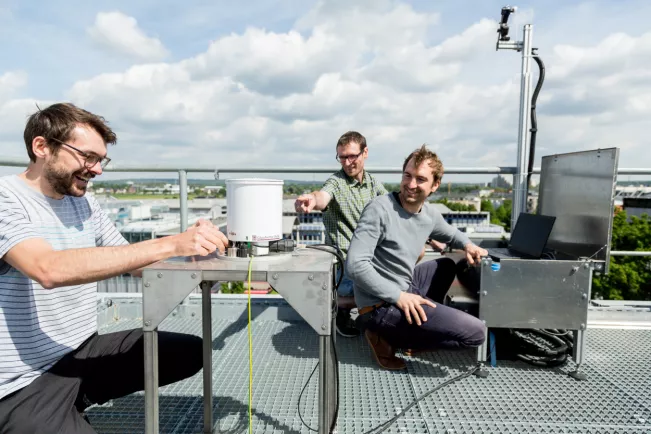
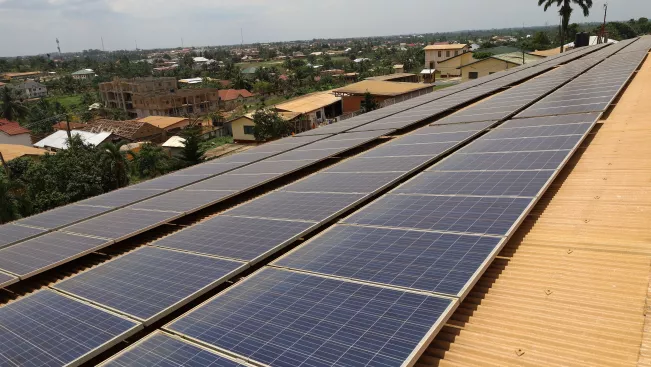
In the energy meteorology focus area, photovoltaic systems are coupled with measuring devices for weather and solar power forecasts, allowing yield forecasts to be optimised. The generation of photovoltaic electricity is subject to weather-related fluctuations. Accurately forecasting these is a major challenge for the operation of electricity grids. In order to prevent grid bottlenecks in transmission and distribution grids, transmission and distribution grid operators can reduce the electricity feed-in from photovoltaic systems, but the system operator must be informed of this at least one day in advance. This is only possible with appropriate forecasts.
Energy storage
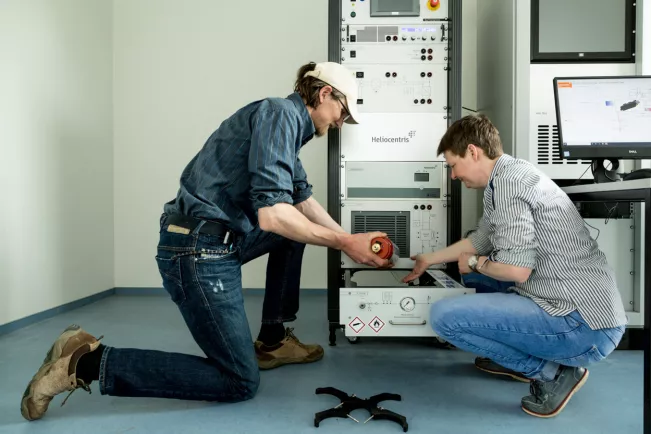
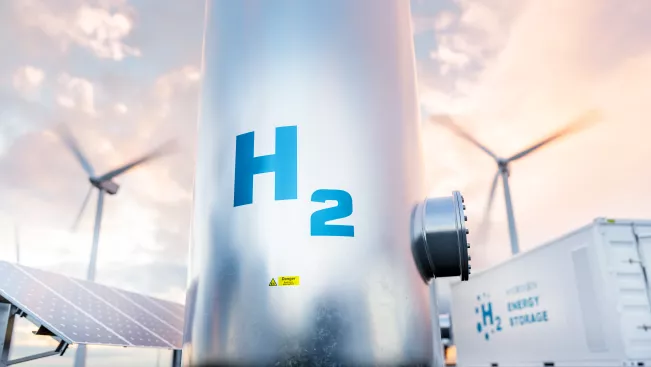
Another key issue in the implementation of the energy transition is the storage of electrical energy generated from renewable sources for times when wind and sunlight are not sufficiently available. The storage of electricity from renewable sources is now a serious obstacle to the further, necessary expansion of generation and the associated sensible utilisation. Decentralised hydrogen storage will be used to develop and demonstrate operational options for flexibilisation. Renewable energy producers such as wind turbines or photovoltaic systems are subject to seasonal and weather-related fluctuations. This requires a considerable expansion of energy storage capacities. One possible solution is storage in the form of hydrogen, particularly in metal hydride storage systems.
In contrast, the LEITNING project is researching a battery inverter that makes it possible to provide a modular AC grid and grid-supporting functions with the help of advanced circuit topologies based on innovative SiC MOSFET power modules, magnetic components and control strategies.
Efficient mobility
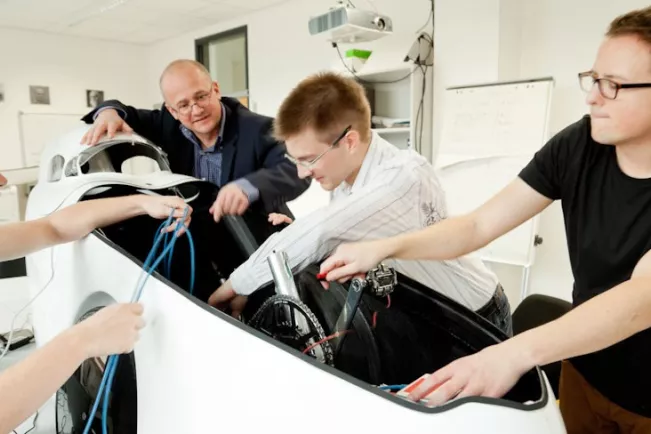
The topic of efficient mobility deals with efficient transport alternatives, from the development of new methods for flow measurement and models for expanding the charging infrastructure to the acceptance of electric bicycles as part of sustainable individual mobility. It is not only the drive system that is decisive for the efficiency of a vehicle. The shape and design are also crucial.
Research and cooperation
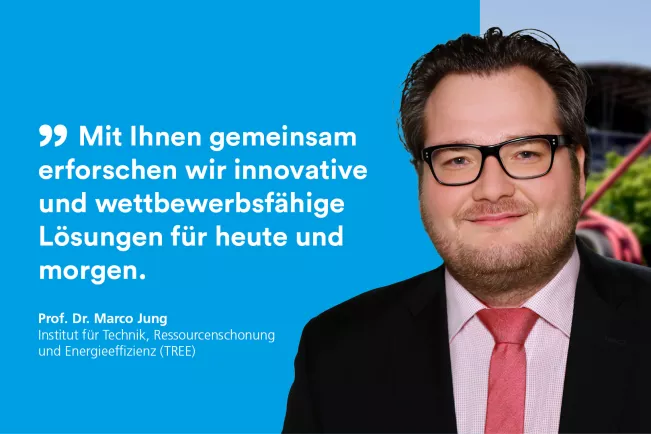
Collaboration with research institutions has long been established as an important element of open innovation in many corporate strategies. When it comes to specific research ideas or supporting entrepreneurial challenges, the university is on hand as a scientific partner with its expertise.
If you are interested in a collaboration, please get in touch.

Contact Us

Tanja Clees
Engineering, particularly Informatics for Engineers, Modeling and Simulation, TREE - Member of Executive Board, Research Professorship
Research fields
Location
Sankt Augustin
Room
B 245
Address
Grantham-Allee 20
53757 Sankt Augustin
Telephone
+49 (2241) 865-9854Fraunhofer SCAI
Location
Sankt Augustin
Address
Schloss Birlinghoven
53757 Sankt Augustin
Telephone
+49 (2241) 14-4074
Research fields
Location
Sankt Augustin
Room
A 022.3
Address
Grantham-Allee 20
53757, Sankt Augustin
Telephone
+49 2241 865 255
Stefanie Meilinger
Professor for Sustainable Technologies, esp. Energy Efficiency and Renewable Energies, Director of the International Centre for Sustainable Development (IZNE), Department Engineering and Communication (IWK)
Research fields
Location
Sankt Augustin
Room
F 321
Address
Grantham-Allee 20
53757 Sankt Augustin
Telephone
+49 2241 865 718
Marco Jung
Professorship for Electromobility and Electrical Infrastructure with a focus on Power Electronics
Research fields
Location
Sankt Augustin
Room
B213
Address
Grantham-Allee 20
53757 Sankt Augustin
Telephone
+ 49 2241 865 316Location
Sankt Augustin
Room
B213
Address
Grantham-Allee 20
53757 Sankt Augustin
Telephone
+ 49 2241 865 316Links to
Further links