🎓Exploring the structural dynamics and potential gating mechanisms of the Epithelial Sodium Ion Channel (ENaC)
Doctoral project at a glance
Departments and Instituts
Period
15.10.2024 to 14.10.2029


Project Description
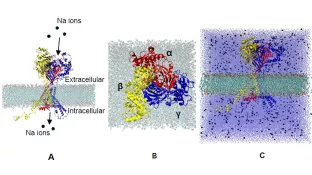
The epithelial sodium ion channel (ENaC) is a heterotrimeric, membrane-bound protein, composed of α/δ, β, and γ subunits. ENaC is found in the epithelial cells of the kidney, lung, and colon. It mediates the reabsorption of sodium ions by allowing sodium to enter the cell. Therefore, it is essential for the regulation of the water-ion homeostasis and the control of blood pressure. Altered ENaC activity is associated with Liddle syndrome and salt-sensitive hypertension. The selective permeability of ENaC to sodium ions is maintained by the architecture of the channel and ist regulation through proteolytic cleavage in the extracellular domain. To understand how structural features of ENaC determine ion transport and channel functionality, high-performance molecular dynamics simulations employed to capture the structural dynamics of the channel. Elucidating the molecular mechanisms of the ENaC sodium channel provides critical insights into ENaC-related diseases and lays the basis for the development of novel targeted therapeutic strategies.
Anlaufstellen
Graduierteninstitut: Contact
Campus
Sankt Augustin
Room
F 427 , F 425, F 423
Opening hours
Mon-Fr 9.00 am-1.00 pm call us, send an e-mail or make an appointment for individual counselingfor