About the university
The H-BRS in films

H-BRS cinema advert

Degree programmes

Digital Journalism and Technology (B.Sc.)
On this degree programme, students learn to create content and distribute it professionally across various channels: in text and images, via audio and video, and through blogs and social media. The range of topics covers energy, the environment and mobility, AI, media technology, games, virtual reality and IT.
Electrical Engineering (B.Eng.)
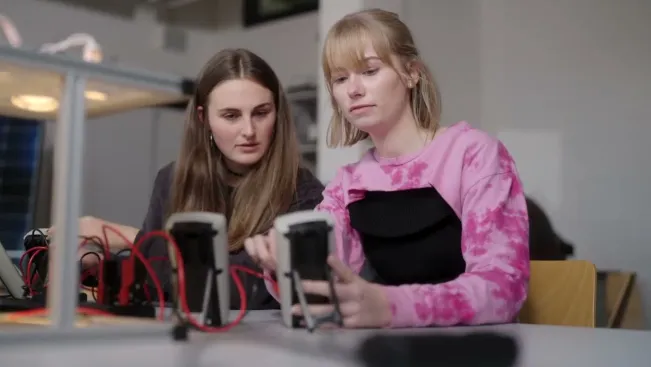
Renewable energy, electric mobility, mobile communications or space travel – without electrical engineering, it would be impossible to utilise and control these technologies. Challenges such as the energy transition, digitalisation and sustainable mobility make this discipline essential to modern life.
Mechanical Engineering (B.Eng.)
Joint projects with industry are a natural part of our future engineers’ training. With mechatronics and product development, the degree programme offers specialisations that are in high demand in the automotive industry, the energy sector and plant engineering.
Sustainable Chemistry and Materials (B.Sc.)
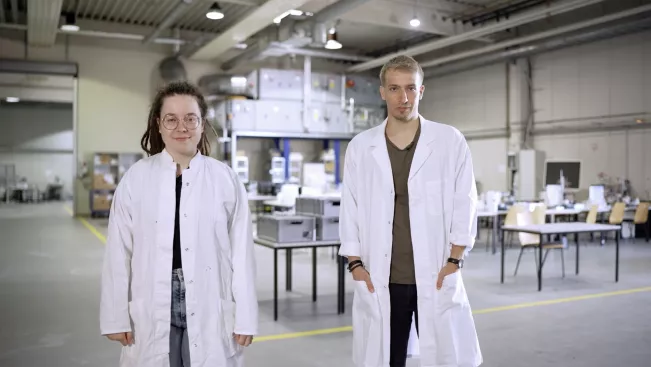
On this degree programme, students learn how innovative processes and new materials are developed to ensure a future that conserves resources. Chemistry and materials science are key to a sustainable approach to the natural world.
Scientific Forensics (B.Sc.)
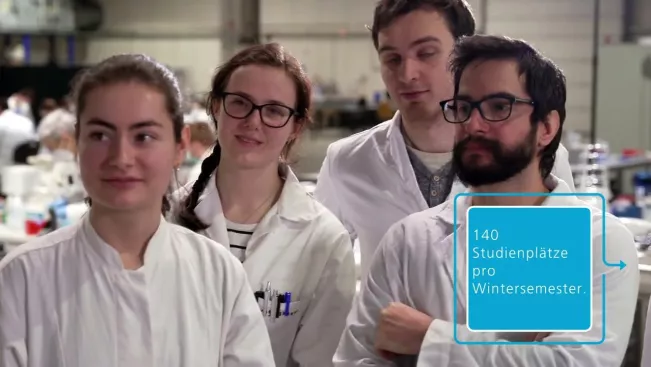
The degree programme equips students with skills in forensic analysis, with a focus on chemistry, materials science and biology. Criminal investigation at crime scenes, law and quality assurance complement the scientific training.
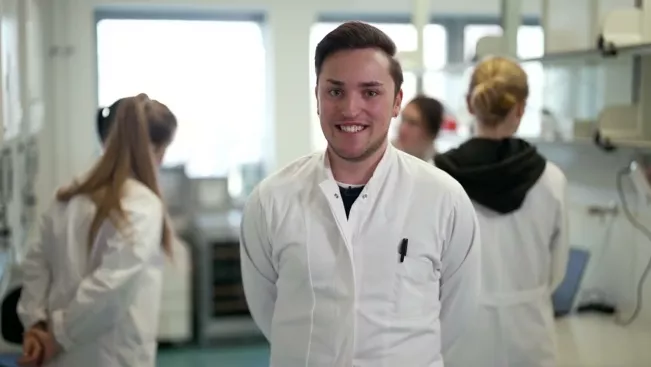
Applied Biology (B.Sc.)
This English-language degree programme specialises in cell culture, immunology and genetic engineering. The programme focuses on clinical research, drug development and quality assurance.
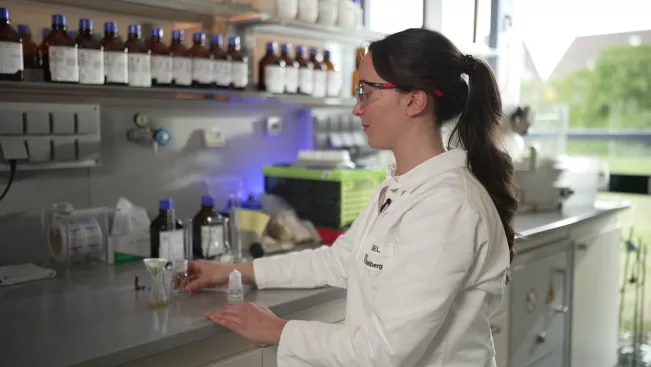
Analytical Chemistry and Quality Assurance (M.Sc.)
The programme focuses on research into food, pharmaceutical, environmental and chemical safety. It provides students with methodological skills in chemical and biological instrumental analysis.

Materials Science and Sustainability Methods (M.Sc.)
The programme teaches methodological skills in materials development, processing and analysis, as well as in sustainability aspects such as more efficient materials, life cycle assessment, holistic assessment, resource conservation and renewable raw materials.
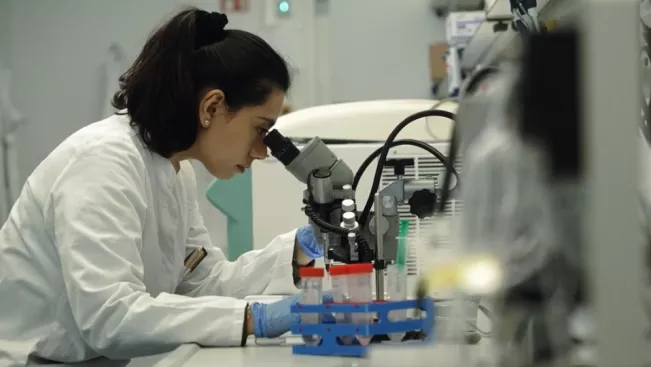
Biomedical Sciences (M.Sc.)
The Master’s programme covers biomedicine, pharmacology, human genetics, neurobiology, immunology and physiology. The curriculum also includes toxicology, the development and authorisation of medicines and medical devices, and clinical research.

Sustainable Social Policy (BA)
The degree programme covers the full spectrum of social policy in Germany. Topics include poverty and wealth, educational opportunities, social injustice, the social security system, pensions, health insurance, co-determination, elections and the intergenerational contract.

Computer Science degree programme (B.Sc.)
On this degree programme, we teach the methodological foundations and systematic, quality-oriented working techniques of computer science. Students broaden their skills in programming, embedded systems, information security, bioinformatics and multimedia. They deepen their knowledge of mathematics and gain an understanding of programming languages, operating systems and networks.
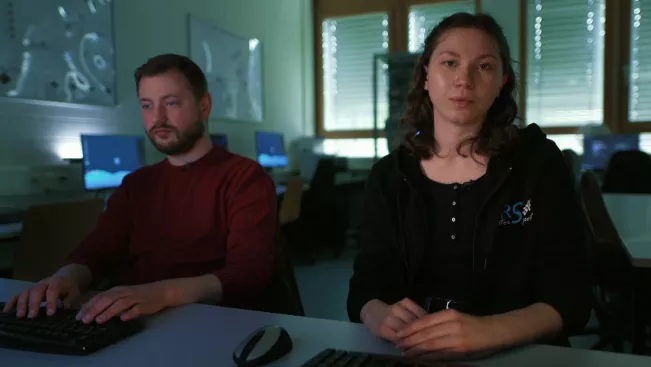
Cyber Security & Privacy (B.Sc.)
Digitalisation is transforming social, economic and private life, and carries risks such as cyberattacks, fake news and data leaks. On our degree programme, students develop privacy-enhancing and participation-oriented solutions for digital infrastructures, services and applications.
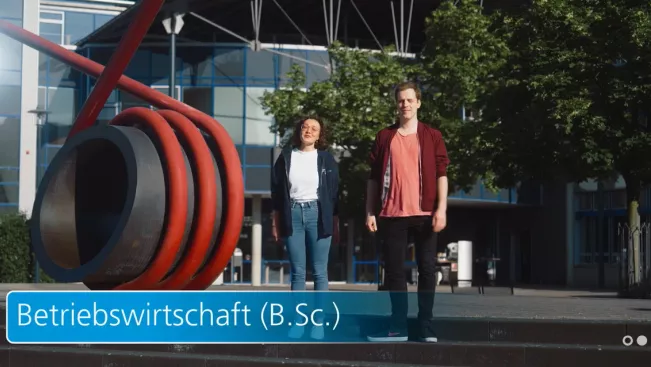
Business Administration (B.Sc.)
The Bachelor’s degree programme is offered at the Rheinbach and Sankt Augustin campuses. It covers concepts, methods and tools in business administration and economics, as well as the fundamentals of law and business informatics.
Research
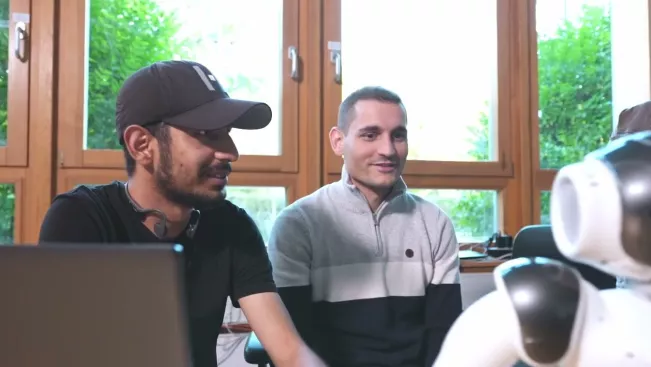
Institute for AI and Autonomous Systems (A2S)
The Institute for Artificial Intelligence and Autonomous Systems conducts cutting-edge interdisciplinary research to enable the intelligence required for autonomous, human-centred robots in dynamic environments. To achieve this goal, we develop explainable, adaptable and reliable AI-based autonomous systems that act safely and trustworthily.
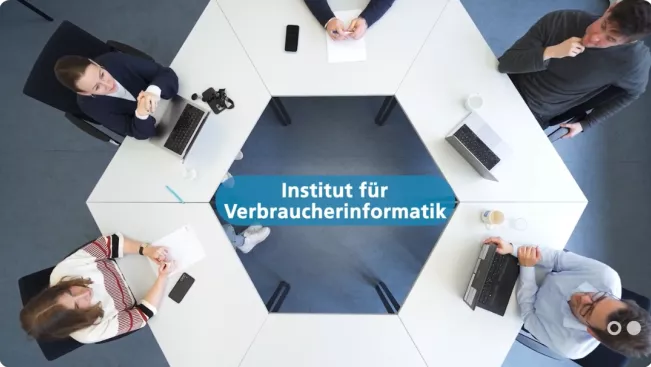
The Institute for Consumer Informatics (IVI)
The IVI develops and researches approaches to promoting digital sovereignty, consumer protection and sustainability in the context of the digitalisation of consumer societies. In doing so, it applies concepts and methods from consumer sciences and business informatics.
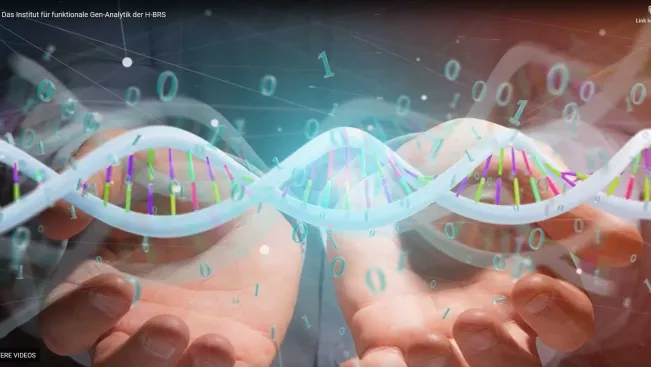
Institute for Functional Gene Analysis (IfGA)
The film presents the Institute for Functional Gene Analysis at H-BRS, focusing in particular on microbiome research, ion channels, genetic alterations in inborn errors of metabolism, and the processing of data using bioinformatics.
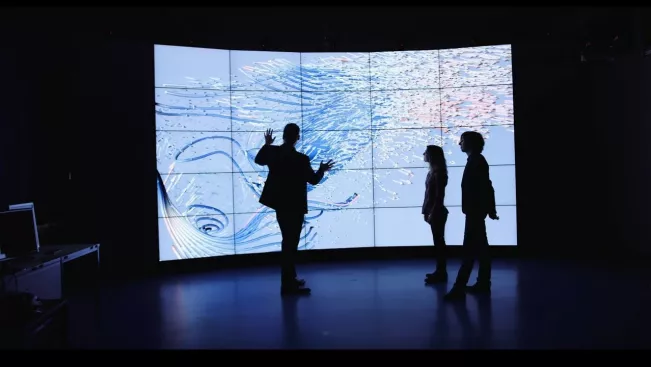
The Institute of Visual Computing (IVC)
Visual computing encompasses, amongst other things, virtual, augmented and mixed reality, as well as computer graphics and computer vision. These technologies open up new perspectives for industry and research in terms of analysis, interaction, decision-making and manufacturing.
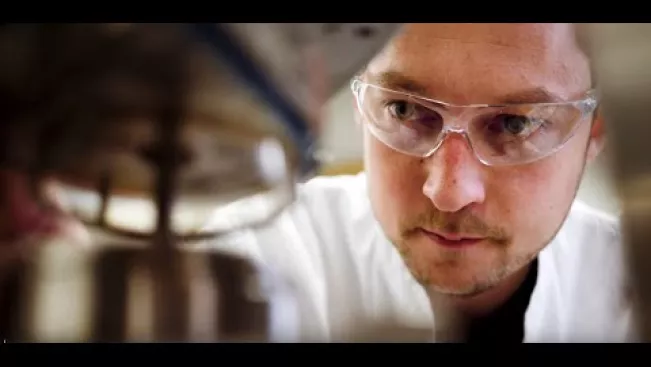
Institute for Technology, Resource Conservation and Energy Efficiency (TREE)
At the Institute for Technology, Resource Conservation and Energy Efficiency , research is conducted on topics that advance the implementation of the UN Sustainable Development Goals. TREE provides a platform for the development of new technologies that take sustainability criteria into account.
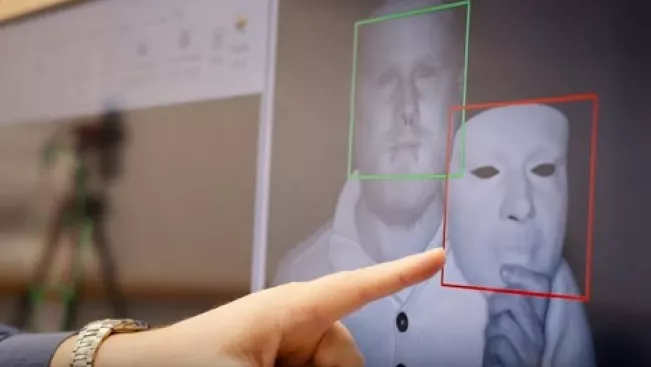
Institute for Security Research (ISF)
The broad range of topics covered by our security research addresses the major challenges posed by social change, technological progress and increasing globalisation. A key aspect of this is collaboration with external research institutions, industrial companies and public authorities to promote the successful transfer of knowledge and technology.
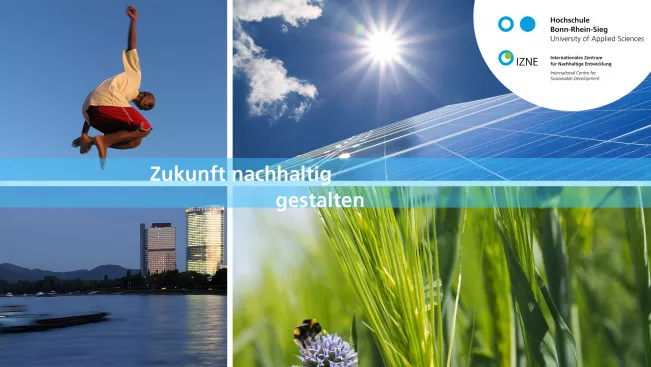
The International Centre for Sustainable Development (IZNE)
The International Centre for Sustainable Development is a research and consultancy institute whose aim is to integrate and promote the guiding principle of sustainable development in education, research and the transfer of scientific knowledge.
General films produced by the university
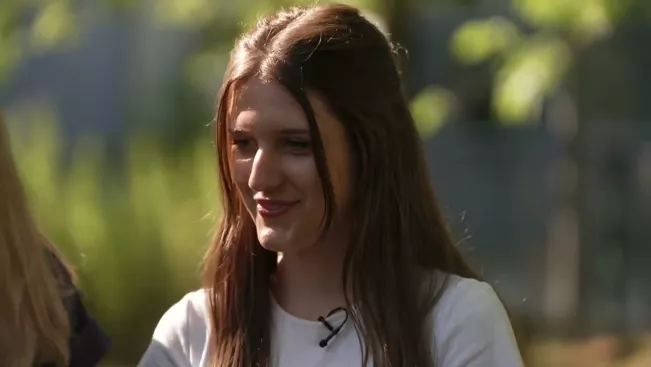
Why it’s worth studying at H-BRS
Frida would like to study, but isn’t yet sure whether Bonn-Rhein-Sieg University of Applied Sciences is the right place for her. What are the advantages of H-BRS? Plenty, as Leonie, Henrik, Hiba and Alex – who are already well into their university adventure – can tell you.
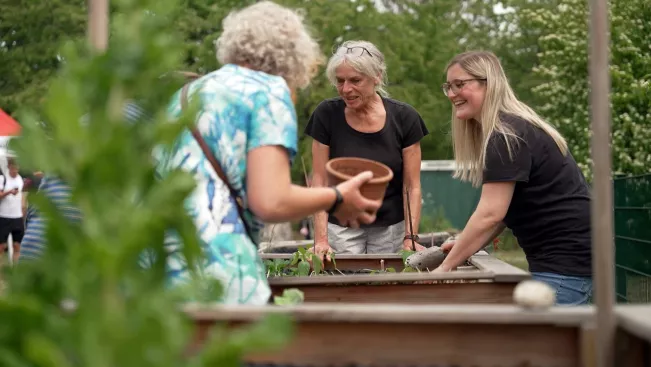
Sustainability – more than just a word
For Bonn-Rhein-Sieg University of Applied Sciences, sustainability is more than just a word. In June 2022, the Executive Board adopted a sustainability strategy setting out specific measures. These include, for example, a carbon-neutral campus, various sustainability degree programmes and research into the expansion of renewable energy.
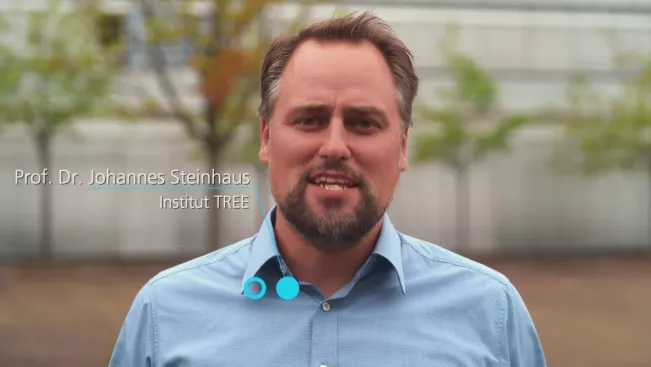
My university is...
Members of the university community explain what makes the H-BRS special to them.
Do you have any further questions?

Location
Rheinbach
Room
H 004
Address
Von-Liebig-Straße 8
53359, Rheinbach
Telephone
+49 2241 865 9812