About the university
H-BRS in films
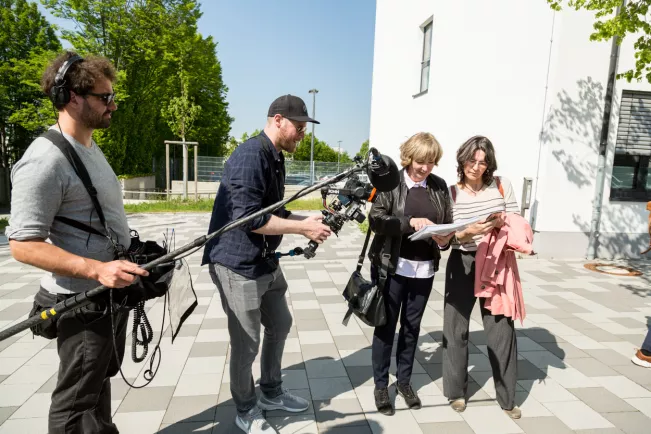
H-BRS cinema commercial

Degree programmes
Digital Journalism and Technology (BSc)
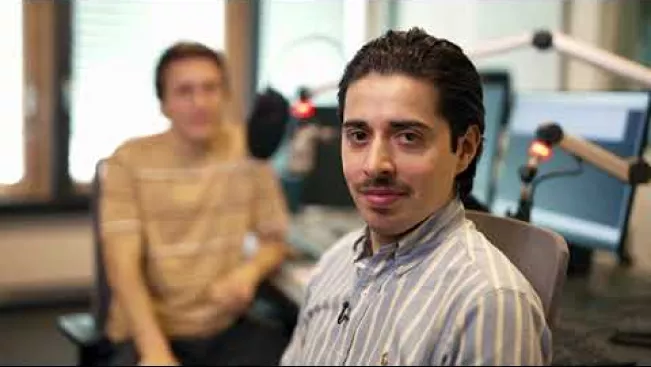
In this programme students learn to create content and distribute it professionally via various channels: in words and images, via audio and video, via blogs and social media. The range of topics includes energy, environment and mobility issues, AI, media technology, games, VR and IT.
Electrical Engineering (BEng)
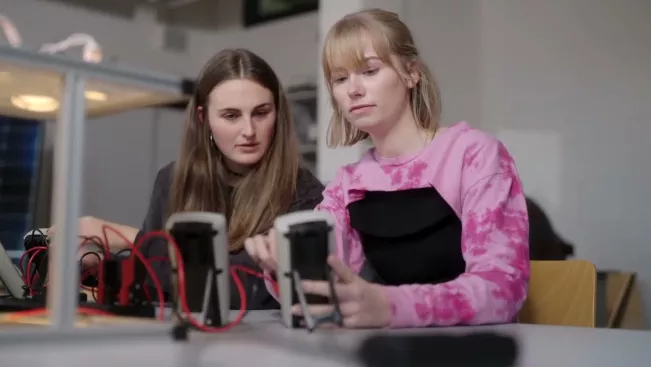
Renewable energies, electromobility, mobile communications and aerospace - without electrical engineering, there would be no way to utilise and control these technologies. The challenges of the future in particular, such as energy transition, digitalisation and sustainable mobility, make this discipline essential for modern life.
Mechanical Engineering (BEng)
Applicants who select this programme are choosing a practice-based course with modern technology and first-class studying conditions. With the option to study mechatronics and product development, it offers areas of specialism that are in high demand in business. From the car industry and the energy sector to plant construction and mechanical engineering, this forms the basis for success in many areas.
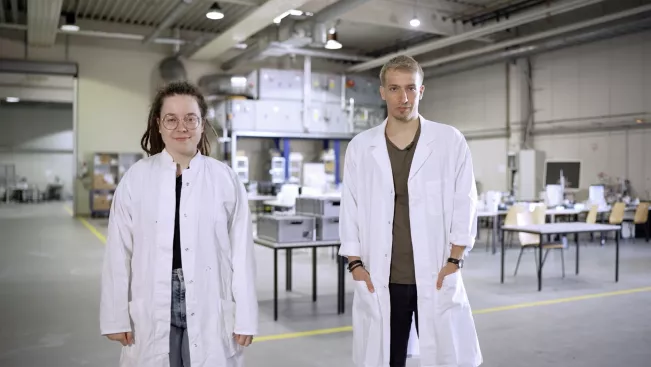
Sustainable Chemistry and Materials (BSc)
In this programme students learn how innovative processes and new materials are created for a resource-saving future. Sustainability is complex and depends on many factors. Chemistry and materials science are key to a sustainable approach to nature.
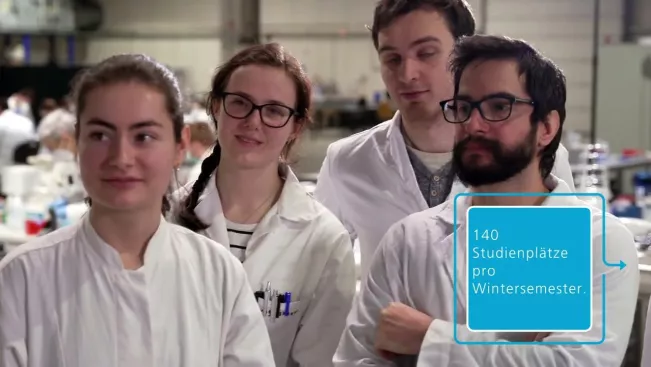
Forensic Sciences (BSc)
The programme teaches skills in forensic analysis with a focus on chemistry, materials science and biology. Criminal investigation, law and quality assurance complement the scientific training.
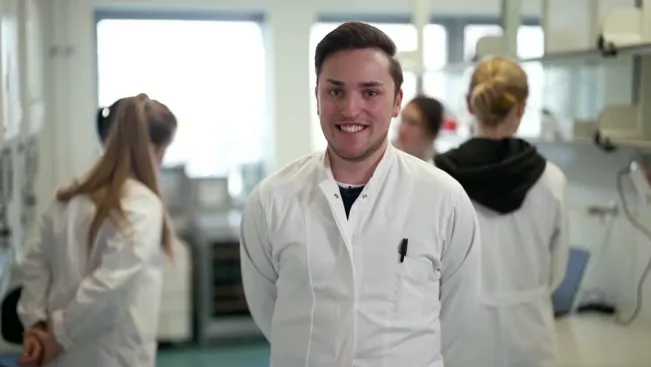
Applied Biology (BSc)
The English-language programme focuses on modern disciplines in biology: cell culture, immunology and genetic engineering, clinical research, drug development and quality assurance, offering the best possible foundation for a career in industry and research.
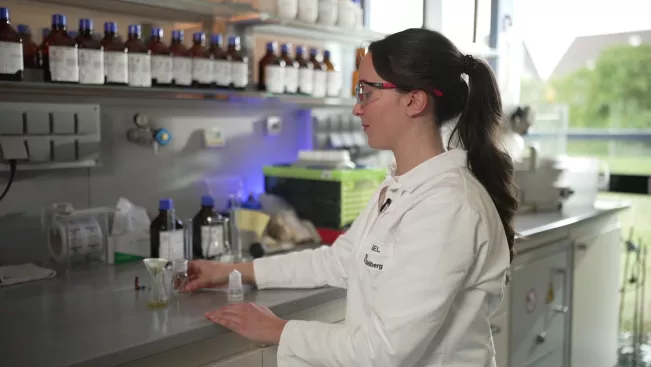
Analytical Chemistry and Quality Assurance (MSc)
The degree programme is focused on safety research, particularly food, drug, environmental and chemical safety. It teaches methodological skills in the field of chemical and biological instrumental analysis.
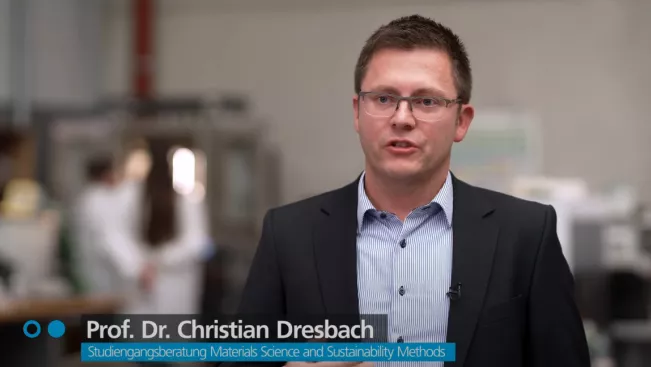
Materials Science and Sustainability Methods (MSc)
The programme teaches methodological skills in materials development, processing and analysis, as well as sustainability aspects such as more efficient materials, life cycle assessment, holistic accounting, resource conservation and renewable raw materials.
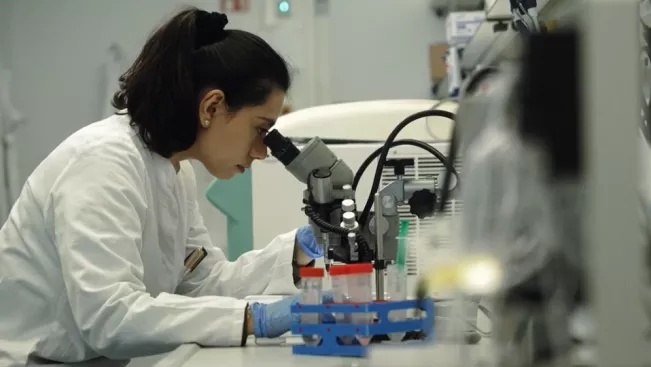
Biomedical Sciences (MSc)
This English-language programme offers in-depth insights in the biomedical field. In particular, it covers research topics from biomedicine, pharmacology, human genetics, neurobiology, immunology and physiology, toxicology, drug development, clinical research and regulatory affairs.

Sustainable Social Policy (BA)
The programme tackles the range of social policy issues in Germany. Poverty and wealth, education opportunities, social injustice, social system, pensions, health insurance, participation in decision-making, elections and intergenerational contracts are covered by the curriculum.

Computer Science (BSc)
In this programme, we teach methodological basics and systematic, quality-oriented techniques in computer science. Students expand their portfolio in areas such as programming, embedded systems, information security, bioinformatics and multimedia. They also deepen their knowledge of mathematics, learn about various programming languages, operating systems and networks.
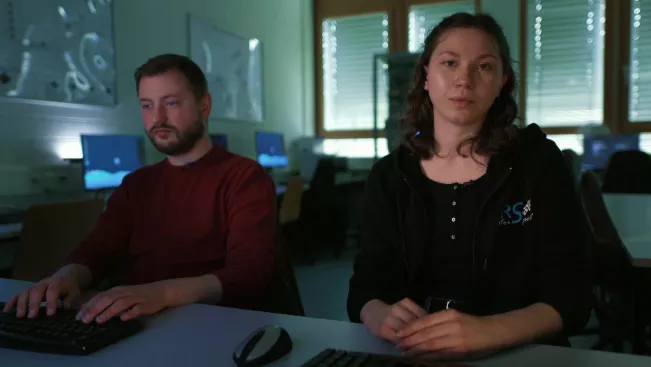
Cyber Security & Privacy (BSc)
Digitalisation is transforming social, economic and private life and harbours risks such as cyber attacks, fake news and data leaks. For a successful and responsible digitalisation, we need solutions and experts in cyber security and privacy. In the programme, students develop privacy-enhancing and participation-oriented solutions for digital infrastructures, services and applications.
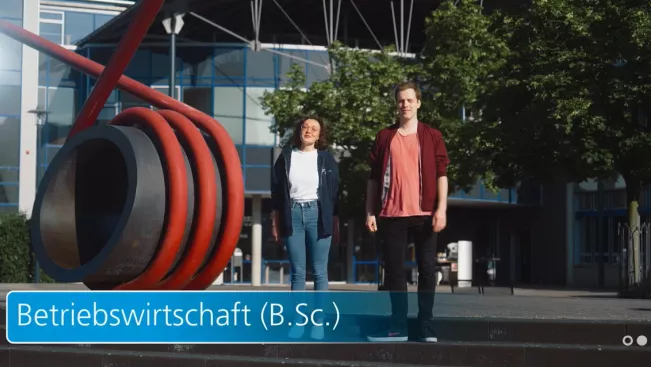
Business Management (BSc)
The Department of Management Sciences offers the programme at both Sankt Augustin and Rheinbach Campus. It provides scientifically based knowledge of business management and economics concepts, methods and tools, as well as basic knowledge of law and business information systems. Particular emphasis is placed on the teaching of key qualifications.
Research
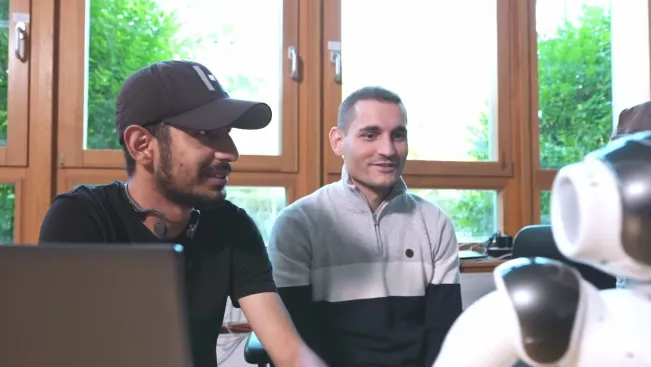
Institute for Artificial Intelligence and Autonomous Systems (A2S)
The Institute conducts cutting-edge interdisciplinary research to enable the intelligence required for autonomous, human-centric robots in dynamic environments. To achieve this goal, we develop explainable, adaptable and reliable AI-based autonomous systems that act safely and trustworthily.
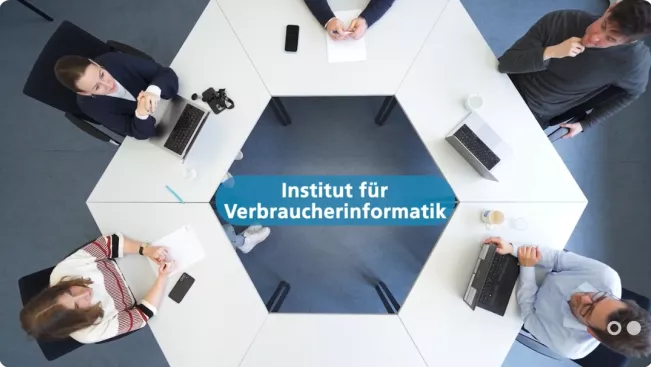
Institute for Digital Consumption (IVI)
The IVI mediates and researches approaches to promoting digital sovereignty, consumer protection and sustainability in connection with the digitisation of consumer worlds. Concepts and methods from consumer sciences and business informatics are applied in this context.
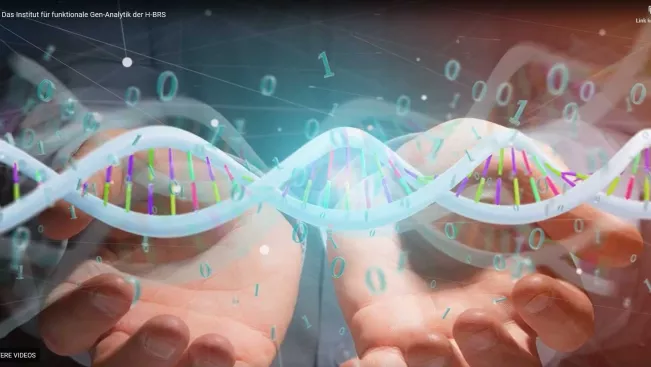
Institute for Functional Gene Analytics
The film presents the Institute for Functional Gene Analytics at H-BRS, in particular microbiome research, ion channels, genetic changes in congenital metabolic diseases and the processing of data by bioinformatics.
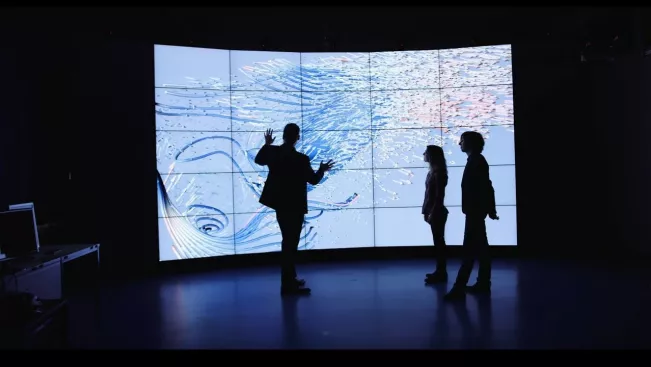
Institute of Visual Computing
Visual computing includes virtual, augmented and mixed reality as well as computer graphics and computer vision. The technologies open up new perspectives for industry and research in terms of analysis, interaction, decision-making and production.
Institute for Technology, Resource and Energy-efficient Engineering (TREE)
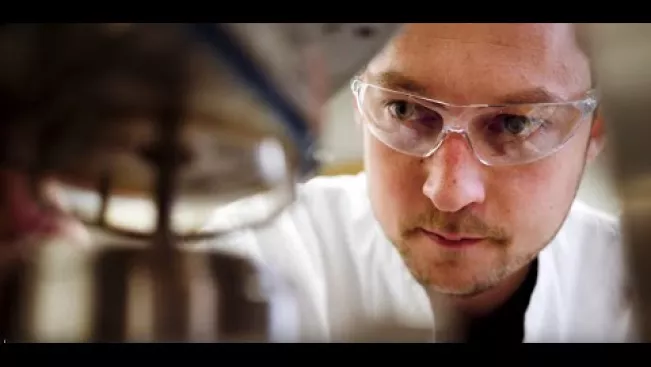
The Institute conducts research on topics that promote the implementation of the UN Sustainable Development Goals. TREE offers a platform for the development of new technologies, taking sustainability criteria into account.
Institute for Safety and Security Research (ISF)
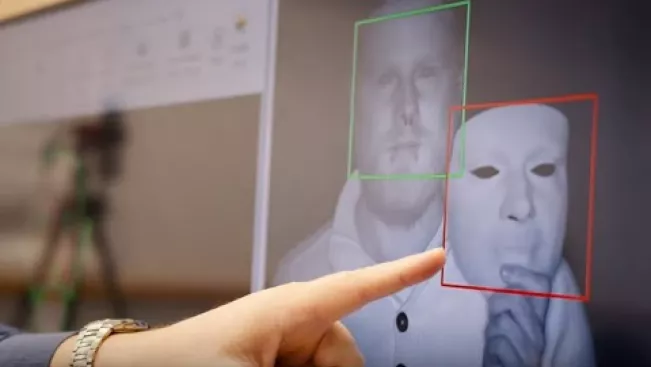
The broad portfolio of topics covered by our security research addresses the challenges posed by social change, technological progress and increasing globalisation. A key aspect of this is cooperation with external scientific institutions, industrial companies and public authorities to promote the successful transfer of knowledge and technology.
The International Centre for Sustainable Development (IZNE)
IZNE is a research and consultancy institute with the aim of integrating and promoting the guiding principle of sustainable development in education, research and science transfer.
General films of the university
Why studying at H-BRS is worthwhile
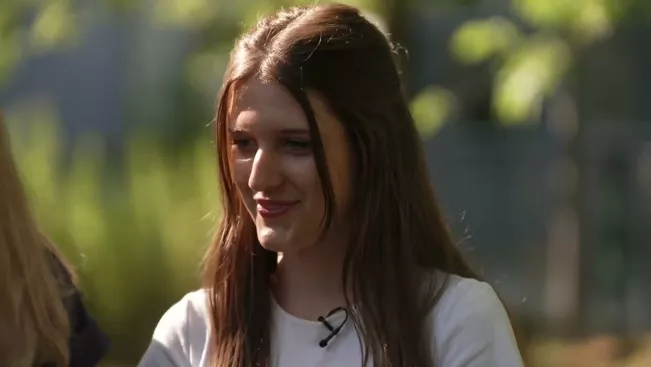
Frida wants to study, but is not yet sure whether Hochschule Bonn-Rhein-Sieg is the right place for her. What are the advantages of H-BRS? Quite a lot, according to Leonie, Henrik, Hiba and Alex, who are already in the midst of their academic adventure.
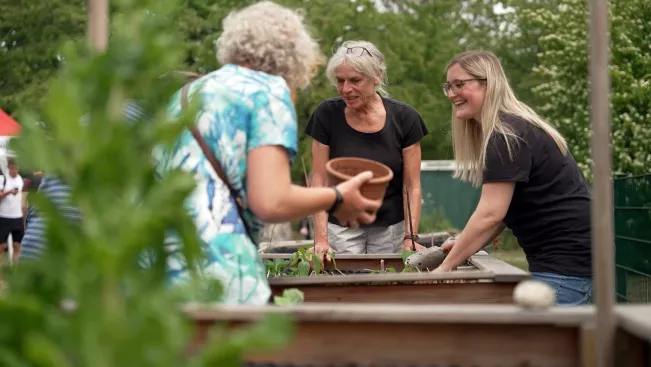
Sustainability - not just a word
Sustainability is not just a word for Hochschule Bonn-Rhein-Sieg University of Applied Sciences. In June 2022, the Executive Board adopted a sustainability strategy that specifies concrete measures. These include, for example, a CO2-free campus, various sustainability degree programmes and research into the expansion of renewable energies.
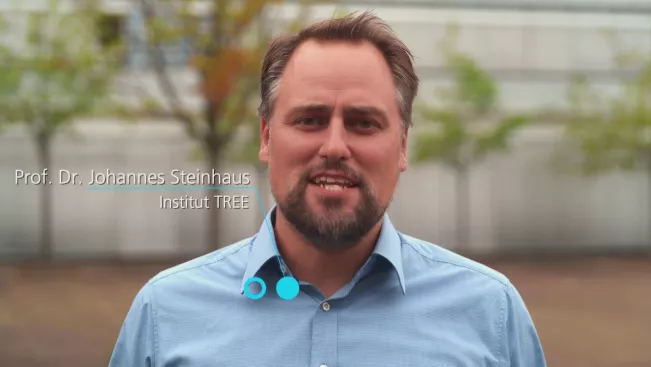
My university is...
University members say what makes H-BRS special for them.
Contact

Location
Rheinbach
Room
H 004
Address
Von-Liebig-Straße 8
53359, Rheinbach
Telephone
+49 2241 865 9812Links
Further links