Research at the university
Research Database: Projects
Forschungsprojekte (253)
Engineering degree programmes in Germany are still heavily male-dominated. This underrepresentation of women is not just an individual problem, but also points to structural barriers that systematically impede the access and success of certain groups. VIVIEN MATHEIS' doctoral project addresses this issue by analysing the structural mechanisms of exclusion in engineering studies. It adopts an intersectional perspective of analysis that takes into account the interactions of various categories of difference (such as gender and class, race, etc.). The aim of the thesis is to develop university strategies based on the empirical findings that contribute to the opening up of engineering degree programmes and thus promote a more diverse student body in the long term.

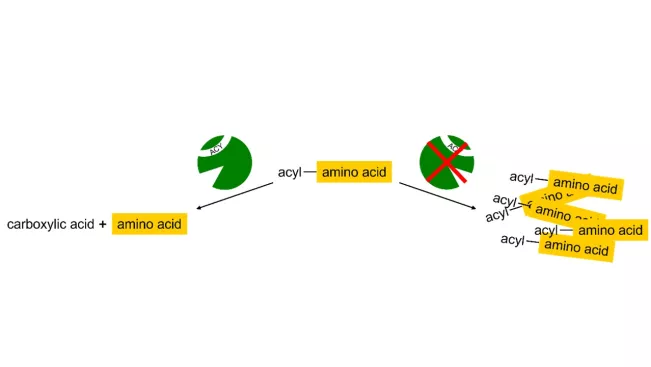
The doctoral project of LIL KLAAS aims to elucidate the molecular basis of inherited metabolic disorders caused by genetic variants in aminoacylase genes. These disorders can lead to severe neurological phenotypes in children, yet they remain poorly understood. A deficiency in one of the aminoacylase genes can result in the accumulation of N-acylated amino acids, primarily detectable in urine. To date, only the enzymatic functions of aminoacylases have been characterized, while their broader roles and potential interaction partners remain largely unknown. By investigating these aspects and gaining more detailed insights into the underlying molecular mechanisms, my research aims to provide a basis for potential improvements in diagnostics and treatment.
Biopolymers are becoming increasingly important in many medical and industrial applications. The use of raw materials such as lignin as a basis for industrial applications requires analytical methods to characterise their properties such as purity, composition and molecular weight. These properties fluctuate significantly in some cases and must therefore be continuously monitored. PhD student RENE BURGER is developing analytical methods that make this information accessible by combining molecular spectroscopic techniques such as infrared and nuclear magnetic resonance spectroscopy with multivariate data analysis and modelling. These new methods represent fast and resource-efficient alternatives to conventional instrumental and wet-chemical techniques.

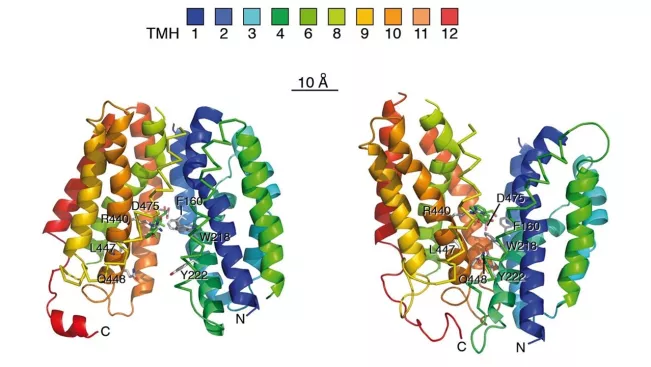
The project of PhD Candidate: YASEMIN AYLIN KEMPF deals with Organic cation transporters (OCTs) are proteins in our cells that move small, positively charged molecules, such as medicines, brain chemicals, and metabolic by-products. There are three main types: OCT1, OCT2, and OCT3. Since they can carry many different substances, their docking sites are quite complex, and scientists still don’t fully understand how these work. To find out more, parts of the transporter will be changed and then it is tested how these altered versions behave using special electrical measurement methods.
The BiSS project aims to balance unpredictable and expensive peak loads using battery storage or bidirectional charging electric vehicles.
Project management at the H-BRS
Prof. Dr Marco Jung
SimBench Sector is a joint project in the 7th Energy Research Programme of the Federal Ministry for Economic Affairs and Climate Protection. Based on the results of the SimBench research project, SimBench Sector aims to methodically develop a data set that enables the realistic modelling of German electricity, gas and heating grids. Innovative use cases in the area of neighbourhood development, the redesign of gas networks for hydrogen or even cross-sector simulations make the development of gas and heating network components as part of a benchmark dataset sensible and necessary. In particular, future studies on coupled infrastructures as part of the energy transition and its digitalisation require consistent test networks in all sectors.
Project management at the H-BRS
Prof. Dr Tanja Clees
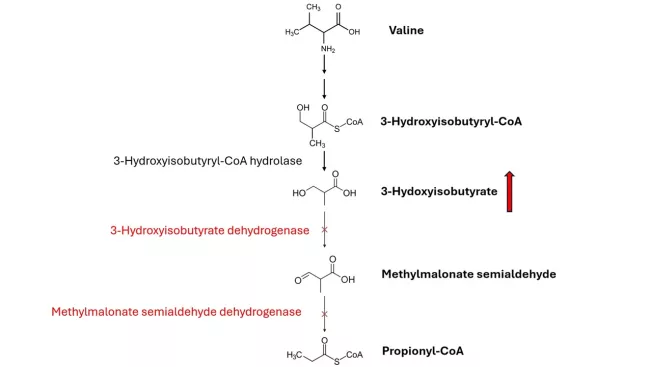
Valine is an essential amino acid that the body breaks down to produce energy. This breakdown happens in several steps, each involving specific enzymes. If these enzymes do not function properly, certain byproducts can build up. One such metabolite is 3-hydroxyisobutyrate (HIB), which may accumulate due to variations in two genes, HIBADH (encodes 3-Hydroxyisobutyrate dehydrogenase) and ALDH6A1 (encodes Methylmalonate semialdehyde dehydrogenase), that have been linked to rare inherited metabolic conditions, but their exact impact on health is still unclear. Only a few patients with these gene defects have been reported, showing a wide range of symptoms. This makes it difficult to know whether these changes cause disease or are harmless. The research of MEHAK MUSHTAQ will study roles of HIBADH and ALDH6A1 and which effects HIB may exert in human-derived cellular systems and animals (nematode C. elegans).
Ketone bodies, such as 3-hydroxy-n-butyrate and acetoacetate, are vital energy sources during fasting, physical activity, or low-carbohydrate intake. Their production and utilization are well understood, but the transport of these molecules remains largely unclear. Certain monocarboxylate transporters (MCTs) are believed to be key players in this process. The project of MARIANA DA SILVA investigates how genetic variants affect MCT function, substrate transport, and cellular localization. Experimental approaches include assay development and studies in mammalian cellular systems, Xenopus oocytes and the nematode Caenorhabditis elegans, structural modeling, and gene editing techniques. A deeper understanding of MCTs may reveal new insights into metabolic regulation and contribute to the understanding of diseases such as certain types of cancer, inherited metabolic disorders, and neurodegenerative conditions.
Architectural journalism is considered an undeveloped subject area in academic journalism. While there are already empirical studies on journalistic genres such as politics, science and technology journalism, there are few findings on architectural journalism. Yet architecture plays a no less important role in the overall social context than politics and business. This becomes clear in questions of urban planning and development, new housing concepts and public building projects. PhD candidate PATRYCJA MUC is therefore analysing the content of how German daily newspaper editorial offices report on architecture. In addition, guided expert interviews with architects and journalists will shed light on how both actors assess the relevance of architectural topics.

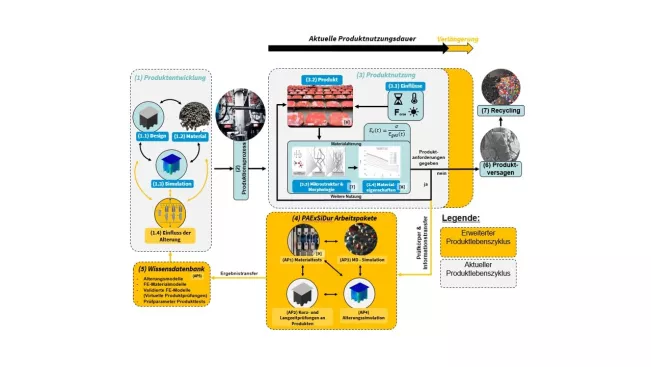
The doctoral project of DANIEL GROTENBURG is investigating how large plastic packaging - primarily made of polyethylene - changes over time and how its service life can be better predicted. To this end, accelerated ageing tests and computer simulations are combined to analyse chemical influences such as UV radiation and heat as well as internal stresses from production. The aim is to gain a precise understanding of ageing processes, make products more durable and thus reduce plastic waste.
Contact Points
Centre for Science and Technology Transfer (ZWT)
Room
F 405
Vice President Research and Transfer
Campus
Sankt Augustin