🎓Das Protokoll als symbolisches Phänomen in der strategischen Repräsentation von Organisationen: eine qualitative Untersuchung aus kommunikationswissenschaftlicher Perspektive.
Promotionsprojekt im Überblick
Fachbereiche und Institute
Zeitraum
03.02.2026 to 02.02.2031


Projektbeschreibung
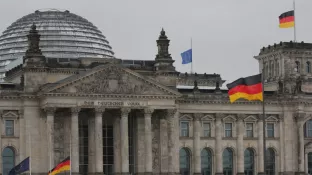
This doctoral thesis by Rolando Martin Ortega Padilla examines protocol – derived from diplomacy and the state context – as a specific form of symbolic communication (ceremonial). It analyses how protocol, as a regulatory framework, structures and governs official occasions and high-profile events – including procedures, hierarchies, seating arrangements, greetings, forms of address and the display of flags – whilst thereby making institutional identity and interests visible. Protocol-based communication functions as an overarching framework for the interaction of key actors in public contexts. It serves the representation and strategic public image of organisations, whilst also contributing to the establishment and maintenance of relationships within the state, the economy and society.
Although protocol plays a central role in organisational communication, it has so far been viewed predominantly from a historical or legal perspective. This thesis closes this research gap by examining protocol from a communication studies perspective and analysing its symbolic dimension, which manifests itself in non-verbal forms of communication – particularly through space and time – and thereby structures and contextualises human interactions.
PhD candidate:
Rolando Martin Ortega Padilla